Environmental Impact Of Ecotourism
Environmental Impact of Ecotourism
Introduction
Ecotourism has become one of the fastest-growing segments of the global tourism industry. It focuses on responsible travel to natural areas while conserving the environment, supporting local communities, and educating visitors about sustainability. Unlike mass tourism, ecotourism seeks to minimize environmental damage and promote conservation efforts. However, despite its positive intentions, ecotourism can have both beneficial and negative environmental impacts depending on how it is managed.
Understanding the environmental impact of ecotourism is essential for creating sustainable travel experiences that protect ecosystems for future generations.
Positive Environmental Impacts of Ecotourism
1. Conservation of Natural Areas
One of the most significant benefits of ecotourism is its contribution to environmental conservation. Revenue generated from ecotourism activities often funds national parks, wildlife reserves, and protected areas. Entrance fees, guided tours, and eco-lodges help support conservation projects and habitat restoration programs.
2. Wildlife Protection
Ecotourism creates economic incentives for preserving wildlife rather than exploiting it. Communities that benefit from tourism are more likely to protect endangered species and their habitats. Wildlife-focused ecotourism has helped safeguard animals such as elephants, sea turtles, gorillas, and rare bird species.
3. Environmental Awareness and Education
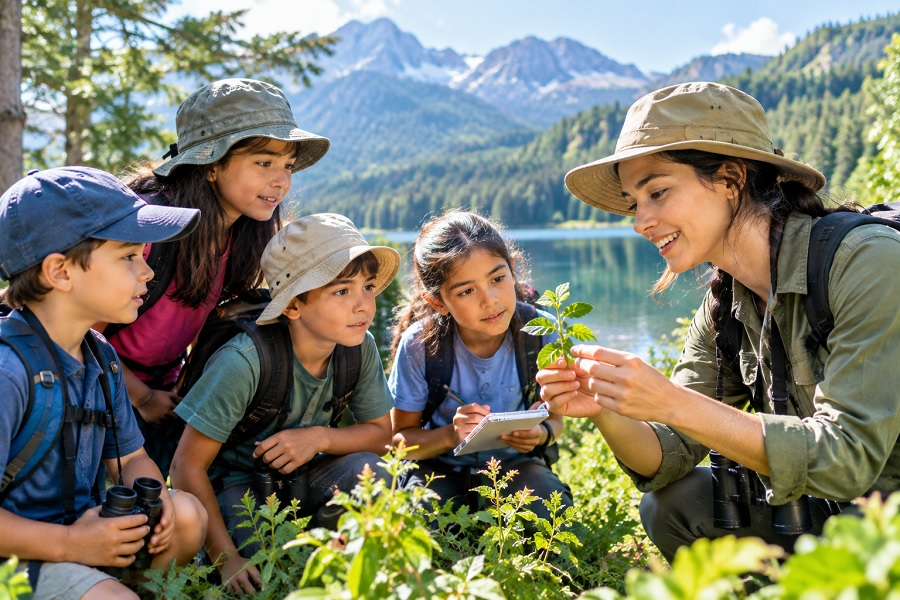
Ecotourism encourages travelers to learn about ecosystems, biodiversity, and conservation challenges. Educational programs and guided nature experiences help visitors develop a deeper appreciation for the environment, often inspiring sustainable behavior after returning home.
4. Reduced Resource Consumption
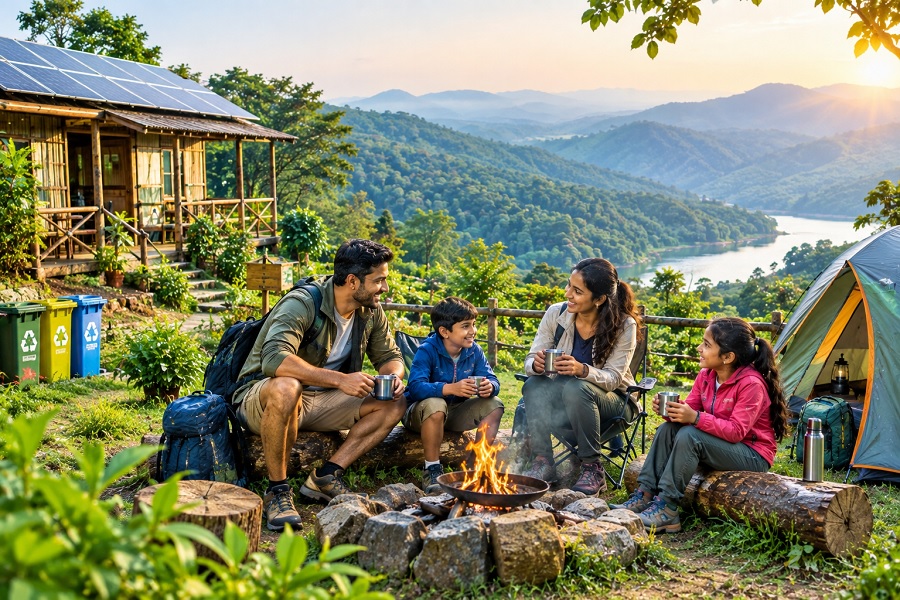
Many eco-friendly accommodations use renewable energy, water-saving technologies, and waste management systems. Sustainable tourism practices reduce the ecological footprint of tourism activities while promoting responsible resource use.
5. Support for Sustainable Development
Ecotourism often promotes environmentally responsible infrastructure development. Eco-lodges, green transportation options, and sustainable waste management systems contribute to long-term environmental protection.
Negative Environmental Impacts of Ecotourism
1. Habitat Disturbance
Even responsible tourism can disturb natural habitats. Increased visitor traffic may damage vegetation, disrupt animal behavior, and create stress for wildlife. Sensitive ecosystems can suffer if visitor numbers exceed carrying capacity limits.
2. Pollution and Waste
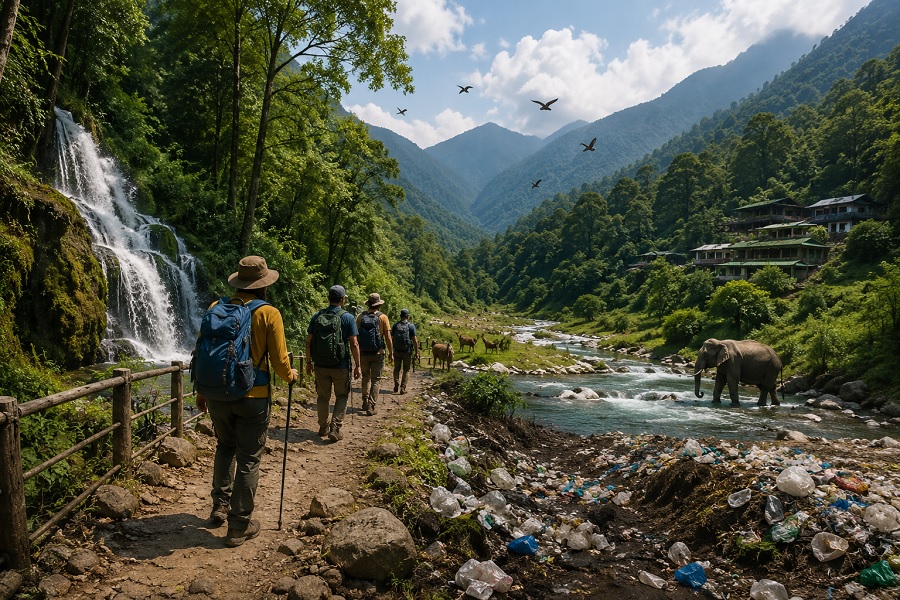
Tourists generate waste, including plastic bottles, food packaging, and other disposable items. Poor waste management can lead to pollution in forests, rivers, beaches, and wildlife habitats.
3. Carbon Emissions from Travel
Transportation remains one of the largest environmental challenges associated with tourism. Flights, vehicles, and boats used to reach ecotourism destinations contribute to greenhouse gas emissions and climate change.
4. Water Resource Pressure
Popular ecotourism destinations often experience increased demand for freshwater. Hotels, lodges, and recreational activities may consume large quantities of water, affecting local ecosystems and nearby communities.
5. Infrastructure Expansion
Growing tourist demand can lead to road construction, accommodation development, and other infrastructure projects that alter natural landscapes. If poorly planned, development may fragment habitats and reduce biodiversity.
Balancing Tourism and Conservation
To maximize benefits and minimize harm, ecotourism must be carefully managed. Sustainable ecotourism strategies include:
Limiting visitor numbers in sensitive areas.
Implementing strict environmental regulations.
Encouraging responsible traveler behavior.
Supporting local conservation projects.
Using renewable energy sources.
Promoting low-carbon transportation options.
Monitoring environmental impacts regularly.
Governments, tourism operators, local communities, and travelers all share responsibility for protecting natural environments.
Role of Travelers in Sustainable Ecotourism
Individual travelers can significantly reduce their environmental impact by:
Choosing certified eco-friendly accommodations.
Avoiding single-use plastics.
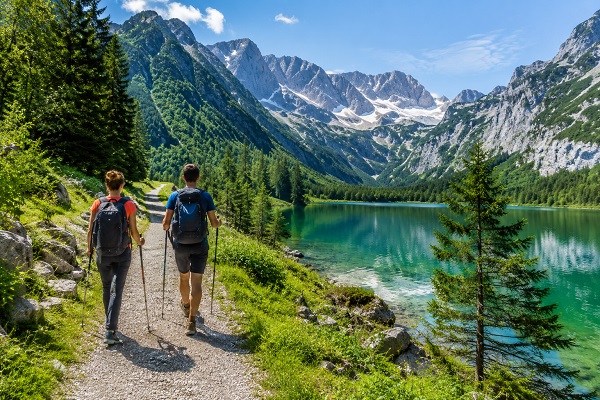
Respecting wildlife and natural habitats.
Following designated trails.
Supporting local businesses.
Conserving water and energy.
Participating in conservation activities.
Small actions by millions of travelers can collectively create meaningful environmental benefits.
Future of Ecotourism
As environmental concerns continue to grow, ecotourism is expected to play an increasingly important role in sustainable travel. Advances in green technology, conservation funding, and environmental education are helping destinations develop more sustainable tourism models.
The future success of ecotourism will depend on maintaining a balance between visitor experiences and environmental protection. When properly managed, ecotourism can serve as a powerful tool for conservation, economic development, and environmental awareness.
Conclusion
Ecotourism offers significant opportunities to protect natural environments while providing meaningful travel experiences. Its positive impacts include conservation funding, wildlife protection, environmental education, and sustainable development. However, challenges such as habitat disturbance, pollution, carbon emissions, and resource consumption must be carefully managed.
Responsible ecotourism practices ensure that tourism contributes to environmental preservation rather than degradation. By embracing sustainable travel principles, travelers and tourism providers can help safeguard the planet's most valuable ecosystems for generations to come.