Mindful Nature Tourism: Peaceful Ways to Reconnect with Nature
Mindful Nature Tourism
Introduction
Mindful Nature Tourism is an emerging form of travel that encourages visitors to slow down, pay attention to their surroundings, and develop a deeper connection with nature. Instead of rushing between attractions, travelers spend meaningful time observing landscapes, listening to natural sounds, walking through forests, practicing meditation, and experiencing local environments with greater awareness.
Recent research published in 2026 has linked nature-based tourism and mindfulness with psychological restoration, stress recovery, emotional well-being, and improved quality of life.
What Is Mindful Nature Tourism?
Mindful Nature Tourism combines nature-based travel with mindfulness practices. The focus is not simply on visiting a beautiful destination but on experiencing it consciously.
A mindful traveler may walk slowly through a forest, observe birds without disturbing them, sit beside a lake, practice breathing exercises, photograph landscapes thoughtfully, or simply spend time without constantly checking a phone.
This approach can make travel more peaceful and immersive while encouraging visitors to appreciate the natural environment.
Growing Interest in Nature and Well-Being
Nature-based tourism is increasingly being connected with wellness and mental restoration. A 2026 study of national park visitors found that restorative environments and emotional regulation can contribute to recovery experiences, satisfaction, and quality of life, with stronger effects among people with higher mindfulness.
Another 2026 study examining nature-based mindfulness found that positive experiences in natural destinations can support attention restoration, nature connectedness, meditation, hope, and overall well-being.
These findings help explain why peaceful forests, mountains, beaches, wetlands, and rural landscapes are becoming attractive settings for mindful travel.
Popular Mindful Nature Tourism Experiences
1. Forest Walks
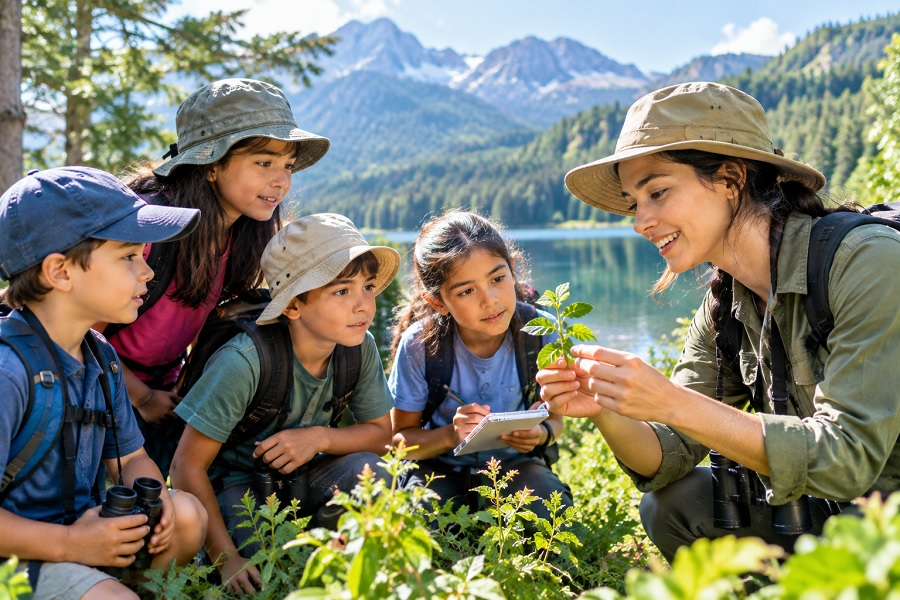
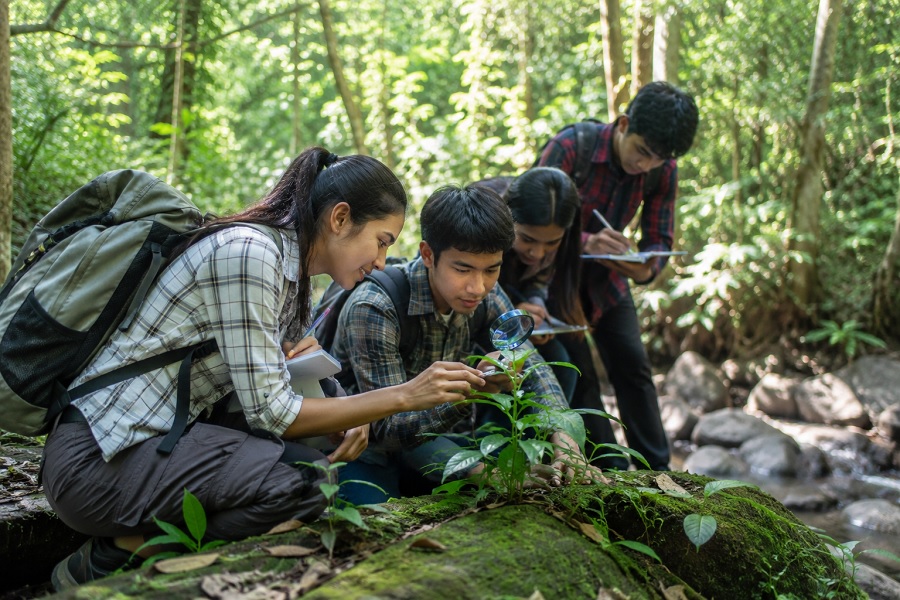
Slow walks through forests allow travelers to observe trees, birds, insects, plants, and natural sounds. Guided forest walks can introduce visitors to local biodiversity while encouraging quiet observation.
2. Nature Meditation
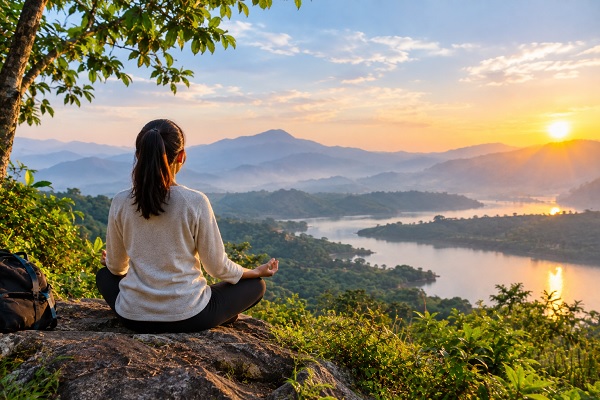
Meditation sessions can be organized in peaceful outdoor locations. Travelers may focus on breathing, natural sounds, or the movement of wind and water.
3. Sunrise and Sunset Experiences
Watching a sunrise or sunset without distractions can become a simple mindful travel activity. These experiences encourage visitors to pause and appreciate the changing landscape.
4. Birdwatching
Birdwatching combines mindfulness, patience, and wildlife observation. Travelers can learn about local species while maintaining a respectful distance from animals.
5. Nature Photography
Photography can encourage visitors to notice small details such as leaves, flowers, insects, textures, clouds, and changing light. The activity becomes more meaningful when travelers prioritize observation rather than taking a large number of photographs.
6. Digital Detox Retreats
Some nature destinations offer experiences designed to reduce screen time. Travelers can spend several hours or days focusing on outdoor activities, reading, meditation, walking, and conversations instead of digital entertainment.
7. Mindful Hiking
Mindful hiking encourages travelers to pay attention to their breathing, footsteps, surrounding sounds, and landscape rather than treating the trail only as a route to a destination.
Benefits of Mindful Nature Tourism
Mindful nature experiences can provide several potential benefits. They may encourage relaxation, help travelers disconnect from everyday routines, support emotional recovery, and strengthen their appreciation of natural environments.
Research also suggests that mindfulness can influence how visitors engage with ecotourism. A study published in Tourism Planning & Development found that travel mindfulness can strengthen the relationship between tourists' values, interest in ecotourism, and engagement with destinations and communities.
Mindfulness and Sustainable Travel
Mindful travel can also encourage more responsible behavior. When visitors pay closer attention to their surroundings, they may become more conscious of litter, wildlife disturbance, excessive resource use, and damage to natural habitats.
The idea fits with the broader movement toward nature-positive tourism, where tourism is expected to contribute to healthier ecosystems rather than simply reduce its negative impact. The Nature Positive Tourism Partnership is developing practical guidance around destination regeneration, nature-related risks and impacts, and supply-chain practices.
Community-Based Mindful Tourism
Local communities can play an important role in creating authentic mindful nature experiences. Local guides can introduce travelers to regional landscapes, traditional ecological knowledge, native plants, wildlife, food, and cultural practices.
Community participation can also help ensure that tourism benefits local residents. UN Tourism's 2026 rural tourism initiatives emphasize sustainability, natural and cultural heritage, community values, rural prosperity, and well-being.
Mindful Nature Tourism in India
India offers many opportunities for mindful nature tourism because of its diverse forests, mountains, wetlands, beaches, wildlife areas, villages, and rural landscapes.
Destinations in the Himalayas, Western Ghats, Northeast India, Kerala, Uttarakhand, Himachal Pradesh, Meghalaya, Karnataka, and other nature-rich regions can support activities such as guided nature walks, birdwatching, meditation retreats, forest experiences, responsible wildlife observation, and village-based tourism.
For example, research published in 2026 examined ecotourist attitudes toward sustainability and conservation in Meghalaya, highlighting the importance of responsible nature tourism and environmental awareness in biodiversity-rich destinations.
Responsible Practices for Travelers
Mindful nature tourism should go beyond personal relaxation. Travelers can make their trips more responsible by:
Staying on designated trails
Avoiding littering
Carrying reusable water bottles
Respecting wildlife and maintaining safe distances
Avoiding loud music in natural areas
Following local conservation rules
Supporting local guides and small businesses
Avoiding unnecessary single-use plastic
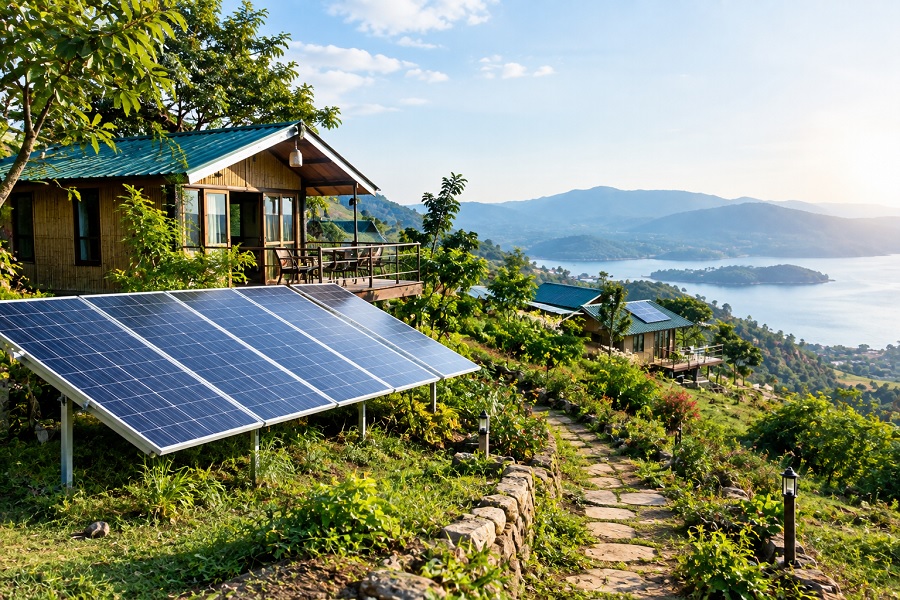
Choosing environmentally responsible accommodation
Leaving natural objects such as plants, rocks, and shells where they belong
The Future of Mindful Nature Tourism
The future of mindful nature tourism is likely to combine wellness, ecotourism, conservation, local community participation, and technology in thoughtful ways. Digital tools can be useful for learning about biodiversity and documenting experiences, but the goal should remain meaningful engagement with the destination.
The growing focus on regenerative tourism also suggests a shift from simply protecting natural destinations toward helping restore ecosystems and strengthen local communities. UN Tourism has highlighted this move from protection toward regeneration in natural and rural destinations.
Conclusion
Mindful Nature Tourism offers a slower and more conscious way to explore the natural world. It gives travelers an opportunity to disconnect from busy routines, observe their surroundings, enjoy peaceful outdoor experiences, and develop greater appreciation for nature.
From forest walks and meditation to birdwatching, mindful hiking, photography, and digital detox retreats, these experiences can make tourism more personal and meaningful. When combined with responsible travel practices and community participation, mindful nature tourism can benefit both travelers and the destinations they visit.