Capturing History Through Heritage Tourism Photography
Heritage Tourism Photography: Capturing History, Culture and Timeless Stories
Introduction
Heritage Tourism Photography is a fascinating way to explore historical destinations while documenting their architecture, traditions, people, landscapes, and cultural identity. From ancient forts and palaces to temples, museums, historic streets, traditional markets, and heritage villages, photography allows travelers to preserve the visual character of places for future generations.
As travelers increasingly look for authentic cultural experiences, heritage photography has become an important part of tourism. A well-composed photograph can tell the story of a historic building, highlight traditional craftsmanship, and capture the atmosphere of a destination beyond ordinary sightseeing.
What Is Heritage Tourism Photography?
Heritage Tourism Photography refers to photographing places, objects, traditions, events, architecture, and cultural experiences connected with a destination's historical heritage.
It can include:
Historic monuments
Ancient forts
Palaces and royal residences
Temples and religious architecture
Museums
Archaeological sites
Heritage streets
Traditional houses
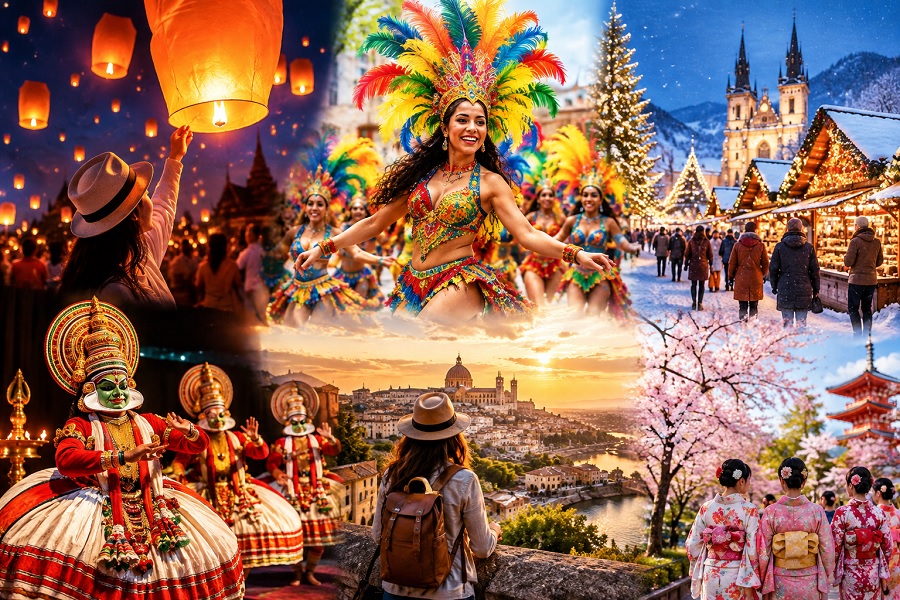
Cultural festivals
Traditional clothing
Local handicrafts
Historic markets
Traditional food
Folk performances
Heritage landscapes
The goal is not simply to take attractive pictures. Heritage photography can also document the character, history, and cultural significance of a destination.
Why Heritage Photography Is Important
Photography plays an important role in promoting cultural tourism. Images can introduce travelers to destinations before they visit and encourage them to learn more about their history.
Heritage photography can help:
Preserve visual history: Photographs document buildings, traditions, and cultural practices.
Promote destinations: High-quality images can inspire people to visit heritage locations.
Support local communities: Photography can bring attention to local artisans, businesses, and cultural experiences.
Encourage cultural appreciation: Images can help travelers understand the uniqueness of different communities.
Create travel memories: Photographs allow visitors to remember their experiences long after a trip.
Support education: Heritage photographs can be useful for cultural and historical learning.
Best Subjects for Heritage Tourism Photography
1. Historic Architecture
Architecture is one of the most popular subjects for heritage photographers. Forts, palaces, temples, mosques, churches, old homes, gateways, and monuments can provide impressive photographic opportunities.
Look for architectural details such as arches, domes, columns, windows, carvings, doors, stairways, and decorative patterns.
2. Ancient Forts and Palaces
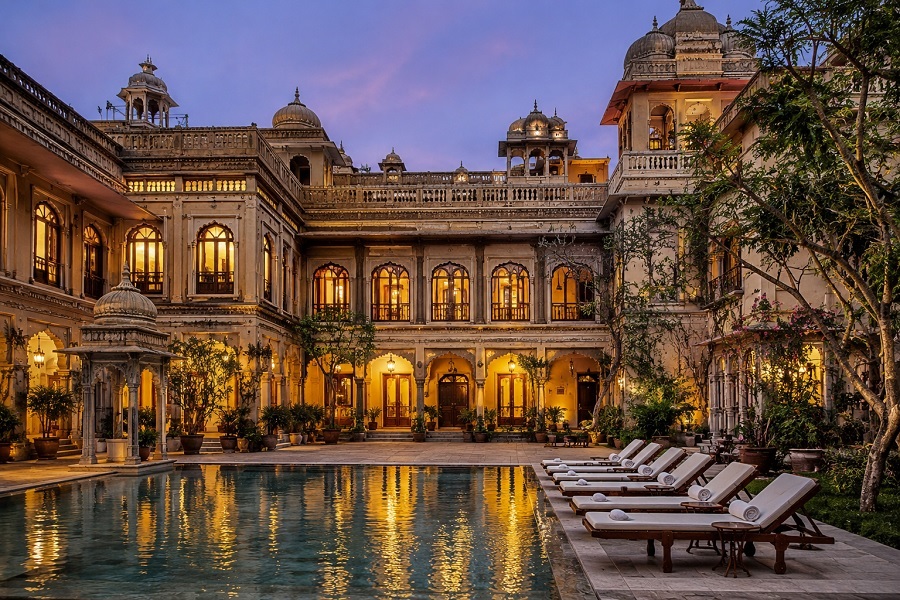
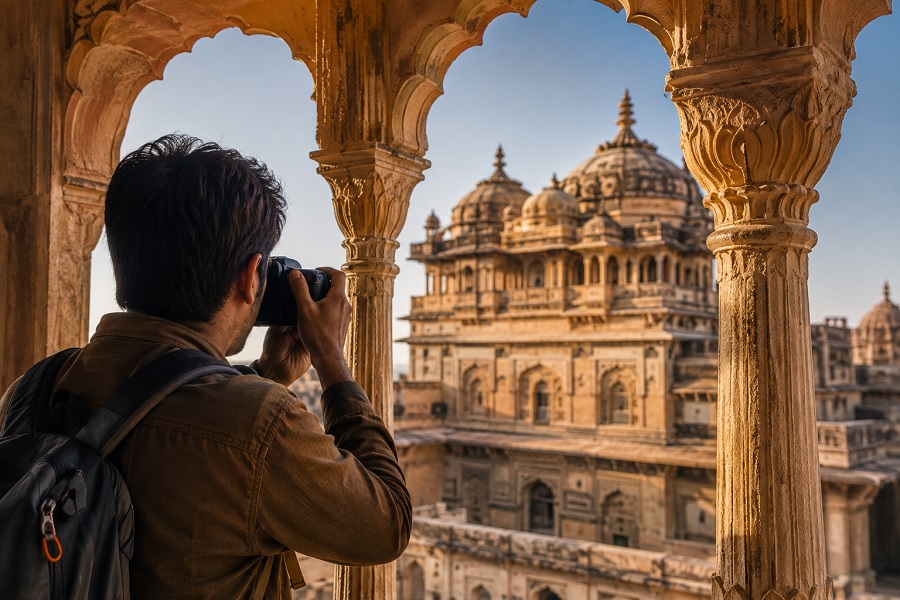
India and many other countries have historic forts and palaces with distinctive architecture. Photographing these locations from different viewpoints can reveal their scale and character.
Wide-angle photographs can show the complete structure, while close-up images can highlight carvings, stonework, paintings, and decorative elements.
3. Traditional Markets
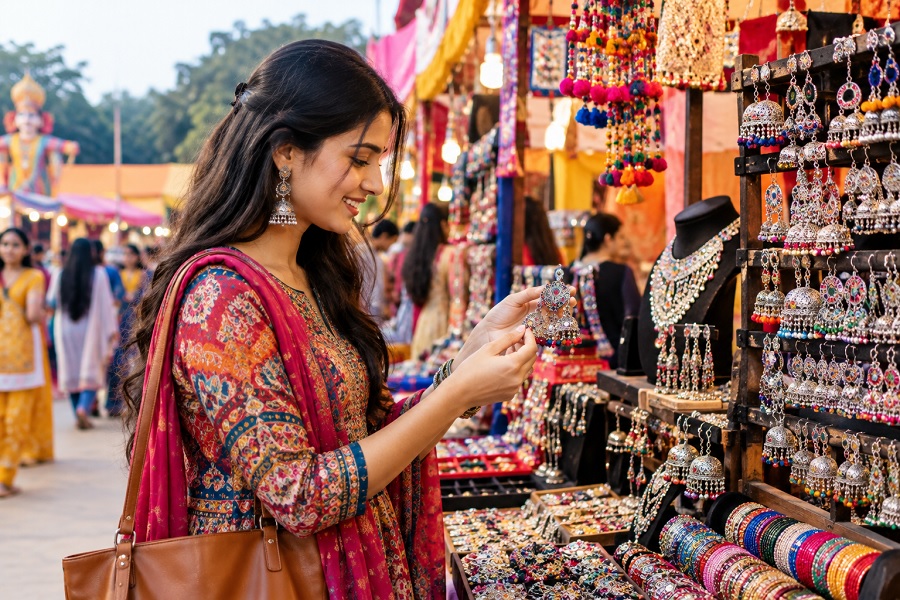
Historic markets provide an opportunity to photograph everyday cultural life. Colorful shops, traditional products, old buildings, street scenes, and local interactions can create authentic travel photographs.
Photographers should be respectful when photographing vendors and customers.
4. Traditional Crafts
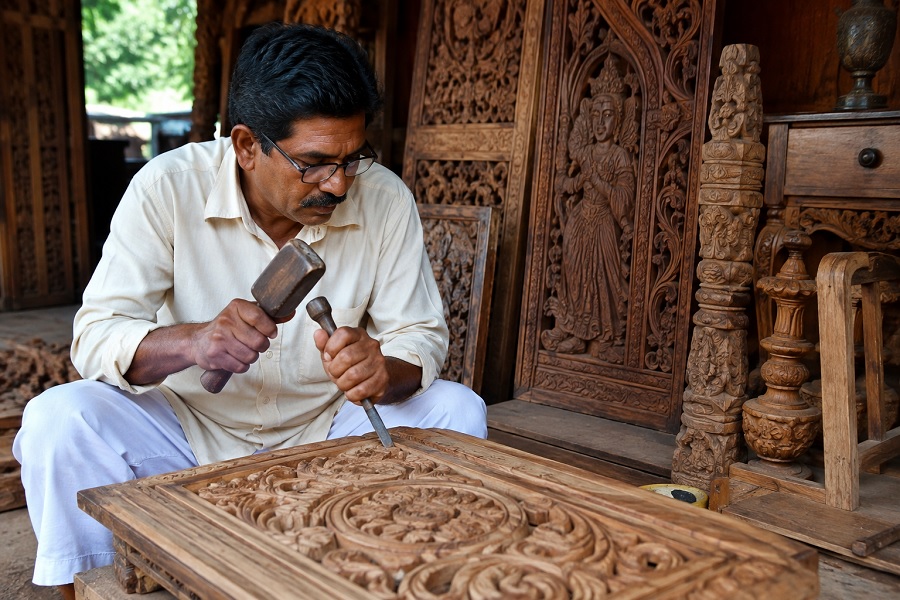
Handicrafts are an important part of cultural heritage. Pottery, weaving, embroidery, wood carving, metalwork, painting, jewelry making, and other traditional crafts can make excellent photography subjects.
Photographing artisans while they work can tell a more complete story than photographing the finished product alone.
5. Cultural Festivals
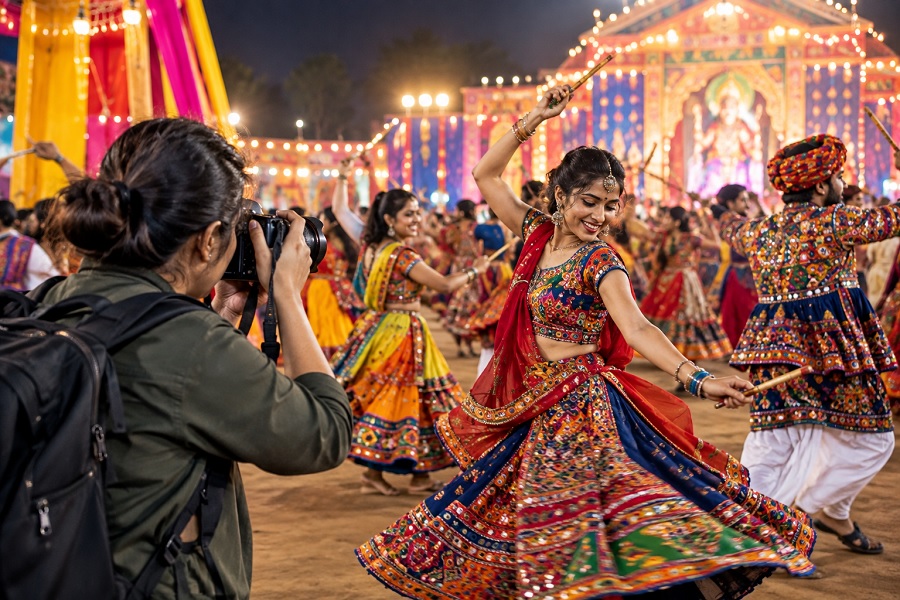
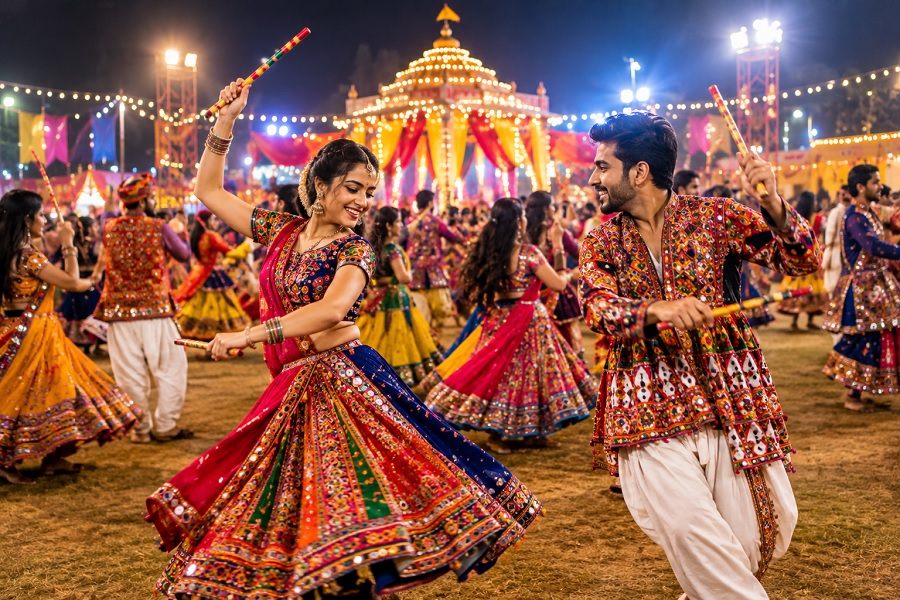
Festivals offer opportunities to capture traditional clothing, decorations, music, dance, ceremonies, food, and community celebrations.
Photographers should learn about the event beforehand and understand whether photography is permitted in particular areas.
Heritage Photography in India
India is particularly rich in heritage photography opportunities. Different regions offer distinct architectural styles, festivals, crafts, cuisines, clothing, music, and traditions.
Popular themes include:
Rajasthan's forts and palaces
Gujarat's traditional architecture and crafts
Maharashtra's historic forts
Kerala's traditional homes and cultural performances
Tamil Nadu's temple architecture
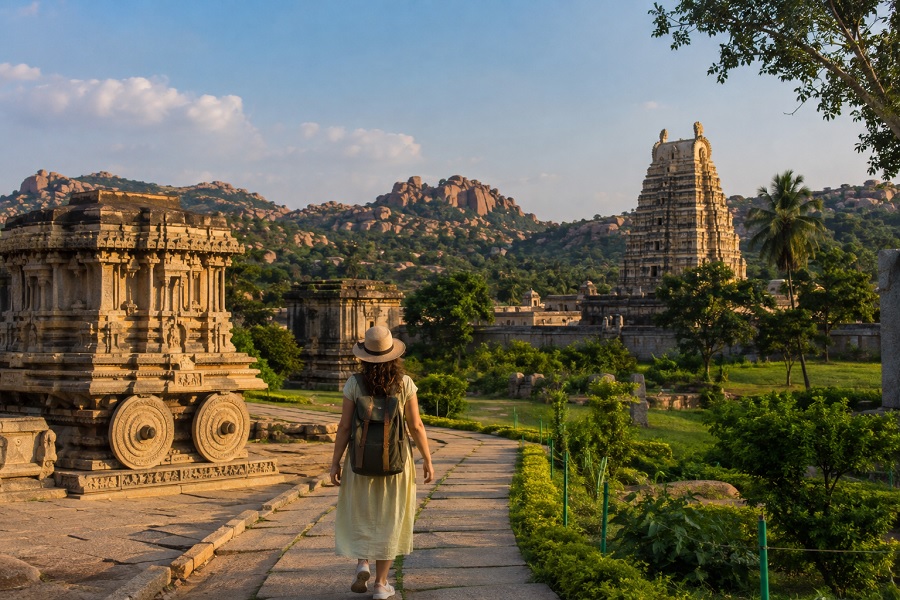
Karnataka's ancient monuments
Odisha's temples and traditional arts
West Bengal's cultural festivals
Punjab's historic sites
Uttar Pradesh's Mughal and religious heritage
Madhya Pradesh's archaeological sites
Himachal Pradesh's traditional architecture
Ladakh's monasteries and cultural landscapes
Best Photography Techniques for Heritage Tourism
Use Natural Light
Natural light can reveal architectural textures and details beautifully. Early morning and late afternoon often provide softer light and longer shadows.
Try Different Perspectives
Instead of photographing a monument only from eye level, experiment with:
Low-angle views
Elevated viewpoints
Symmetrical compositions
Framed compositions
Close-up details
Wide landscape views
Capture Details
Small architectural details can communicate the age and craftsmanship of a heritage site. Look for stone carvings, paintings, inscriptions, doors, windows, tiles, sculptures, and decorative patterns.
Include People Carefully
People can provide scale and a sense of everyday life. However, always respect privacy and local customs, particularly during religious ceremonies or private cultural activities.
Photograph Stories
A strong heritage photograph often tells a story. Instead of photographing only a building, consider photographing the building together with its surroundings, visitors, artisans, or local activities.
Best Time for Heritage Photography
The ideal time depends on the destination and subject, but photographers often prefer early morning and late afternoon because of softer natural light.
Morning photography can provide:
Fewer crowds
Soft light
Calm surroundings
Fresh atmosphere
Evening photography can provide:
Warm light
Long shadows
Dramatic architectural textures
Sunset backgrounds
Night photography can also create impressive images when heritage buildings are illuminated.
Essential Photography Equipment
You do not need expensive equipment to begin heritage tourism photography. A smartphone with a good camera can produce excellent travel images when used carefully.
For dedicated photography, useful equipment includes:
Mirrorless or DSLR camera
Wide-angle lens
Standard zoom lens
Telephoto lens
Lightweight tripod
Extra batteries
Memory cards
Lens cleaning cloth
Polarizing filter
Camera bag
A smartphone can be particularly convenient for travelers who want to travel light.
Heritage Photography and Responsible Tourism
Responsible photography is essential when visiting culturally significant locations.
Travelers should:
Follow photography rules
Ask permission before photographing people
Avoid restricted areas
Respect religious ceremonies
Avoid touching monuments
Never damage historical structures for a photograph
Avoid using drones where they are prohibited
Respect local communities
Follow instructions from heritage authorities
Avoid disturbing cultural performances
Good heritage photography should document culture without harming or disrespecting it.
Photography Tips for Heritage Sites
Before visiting a heritage destination, research its history and photography rules. Knowing the story behind a location can help you identify meaningful photographic subjects.
A useful approach is to capture a mixture of:
Wide shots: Show the complete destination.
Medium shots: Focus on architectural sections or cultural activities.
Close-ups: Highlight craftsmanship and small details.
People shots: Show cultural life when appropriate and permitted.
Environmental shots: Combine people, architecture, and surroundings.
This combination can create a complete visual story of the destination.
Heritage Photography for Social Media
Heritage photographs are popular on travel websites, blogs, and social media platforms. Travelers can create engaging content by combining photographs with short historical information.
Useful content ideas include:
Heritage photo stories
Before-and-after heritage comparisons
Historic architecture reels
Traditional craft videos
Cultural festival photo collections
Heritage walking-tour posts
Local food photography
Artisan stories
Historic street photography
Heritage destination guides
Authentic storytelling can make heritage photography more meaningful than simply posting attractive images.
Heritage Photography and Cultural Preservation
Photography can contribute to cultural preservation by creating a visual record of places and traditions. Historic buildings can change over time, traditional crafts may evolve, and cultural practices can become less common.
Photographic documentation provides an accessible record of these changes. When combined with responsible tourism and conservation efforts, photography can help increase awareness of the importance of protecting cultural heritage.
Conclusion
Heritage Tourism Photography combines travel, history, culture, architecture, and visual storytelling. It allows travelers to experience destinations more carefully while documenting the details that make each place unique.
From ancient monuments and historic streets to traditional crafts, festivals, food, and local communities, heritage destinations provide countless opportunities for meaningful photography. By respecting local customs, protecting heritage sites, and photographing responsibly, travelers can create beautiful images while contributing to greater appreciation of cultural heritage.