Heritage Hotels Through the Lens: Capturing Architecture, Culture and Luxury
Heritage Hotel Photography Reviews: Capturing India's History, Architecture and Hospitality
Introduction
Heritage Hotel Photography Reviews combine travel, accommodation and visual storytelling. Unlike conventional hotel reviews that focus mainly on rooms, facilities and service, a heritage hotel photography review also examines the property's architecture, historic details, interiors, gardens, artwork and cultural atmosphere.
India has a particularly rich heritage-hotel landscape, with properties operating from former palaces, forts, havelis, castles and historic residences. The Ministry of Tourism's heritage-hotel framework specifically recognizes the importance of preserving architectural character while adapting historic properties for modern hospitality.
Photography therefore becomes an important way to document the relationship between historic architecture and contemporary hotel experiences.
What Is a Heritage Hotel Photography Review?
A Heritage Hotel Photography Review is a visual and written assessment of a historic accommodation property.
It can cover:
Exterior architecture
Entrance and façade
Courtyards
Corridors
Guest rooms
Suites
Traditional furniture
Decorative ceilings
Doors and windows
Artwork
Gardens
Restaurants
Swimming pools
Heritage objects
Views from the property
Guest experience
Photography opportunities
The objective is not simply to say whether a hotel looks beautiful. A strong review explains what makes the property visually distinctive and whether the photographic experience matches the actual stay.
Why Heritage Hotels Are Excellent Photography Subjects
Heritage hotels often contain architectural elements that are difficult to reproduce in contemporary buildings.
Photographers may find:
Ornamental arches
Carved stonework
Traditional balconies
Frescoes
Antique furniture
Historic courtyards
Decorative ceilings
Handcrafted doors
Old photographs
Traditional textiles
Sculptures
Royal gardens
Recent coverage of India's heritage hotels continues to highlight the combination of history, architecture, culture and modern hospitality as a defining part of these stays.
What to Look for During a Heritage Hotel Photography Review
1. Exterior Architecture
Begin with the property's façade and overall architectural character.
Look for:
Symmetry
Domes
Towers
Arches
Balconies
Courtyards
Stonework
Decorative elements
Traditional colors
The exterior photograph should communicate the property's scale and relationship with its surroundings.
2. Entrance and Arrival Experience
The entrance is often the first visual impression.
A review can examine:
Entrance gates
Driveways
Traditional welcome areas
Door designs
Reception architecture
Landscaping
Lighting
Photographing the entrance during softer morning or evening light can add depth and atmosphere.
3. Courtyards
Courtyards can be among the most photogenic spaces in heritage hotels.
Look for compositions involving:
Arches
Balconies
Plants
Fountains
Shadows
Traditional furniture
Symmetrical architecture
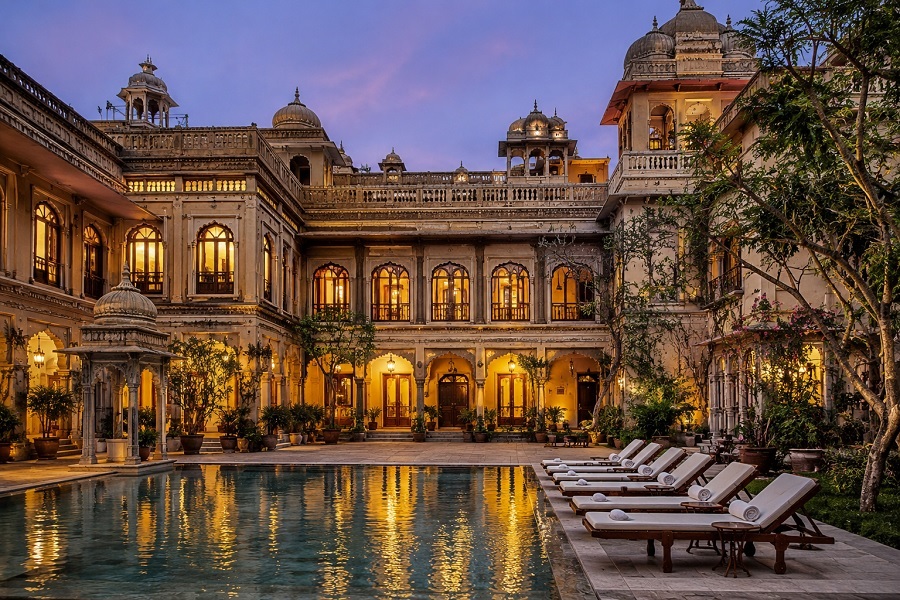
Courtyard photography can help communicate the historical character of a property without relying entirely on room photographs.
4. Guest Rooms and Suites
A hotel photography review should show how heritage elements have been incorporated into accommodation.
Important details include:
Bed design
Headboards
Antique furniture
Flooring
Windows
Curtains
Artwork
Lighting
Decorative objects
Bathroom design
The review should also distinguish between genuinely historic elements and modern additions.
5. Traditional Art and Craftsmanship
Heritage hotels can provide opportunities to photograph traditional artistic details.
These might include:
Paintings
Murals
Carved wood
Stone sculptures
Metalwork
Textiles
Traditional ceramics
Handcrafted furniture
India's growing interest in art-focused hotels also reflects a broader hospitality trend in which artwork, design and cultural storytelling become part of the guest experience.
Photography of Heritage Architecture
Architectural photography should show both the large-scale structure and smaller details.
A useful approach is to capture three types of images:
Wide photographs: Show the entire building or courtyard.
Medium photographs: Highlight rooms, corridors or architectural sections.
Detail photographs: Focus on carvings, handles, textures, artwork and decorative elements.
Combining all three creates a more complete visual review.
Best Time for Heritage Hotel Photography
Early Morning
Morning light can provide softer shadows and fewer people in common areas.
Golden Hour
Late afternoon and early evening light can add warmth to stone, walls, gardens and façades.
Blue Hour
The period shortly after sunset can be effective for photographing illuminated palace façades, courtyards and outdoor spaces.
Night Photography
Heritage properties can look dramatically different after dark when architectural lighting highlights arches, columns, domes and courtyards.
Photographers should use tripods only where permitted and avoid disturbing other guests.
Heritage Hotel Interior Photography
Interior photography requires attention to available light.
Useful subjects include:
Chandeliers
Staircases
Corridors
Antique furniture
Painted ceilings
Decorative walls
Traditional carpets
Windows
Artwork
Dining rooms
Avoid excessively bright flash when photographing artwork, historic surfaces or intimate guest spaces unless the property permits it.
Hotel Room Photography Review
A useful room review should photograph the room from several angles.
Include:
Overall room view
Bed and furniture
Window or balcony
Bathroom
Heritage details
Storage facilities
Seating area
View from the room
Photography should accurately represent the room rather than making it appear significantly larger or different through extreme wide-angle techniques.
Food and Dining Photography
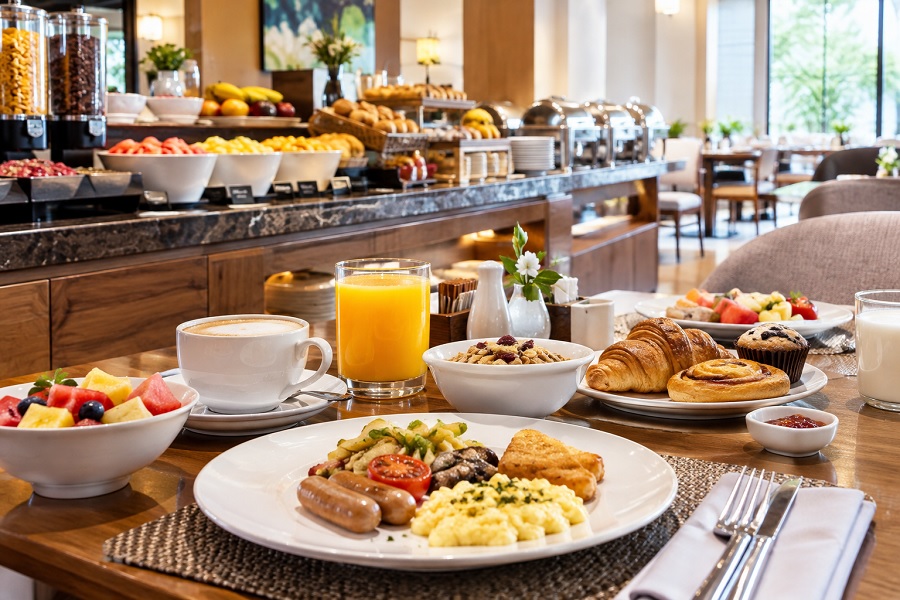
Heritage hotels can also provide strong food-photography opportunities.
Photographers can document:
Traditional breakfasts
Regional cuisine
Palace dining rooms
Outdoor meals
Traditional serving ware
Desserts
Local specialties
Afternoon tea
Courtyard dining
A good review can explain whether the dining experience complements the property's historical character.
Garden and Landscape Photography
Many heritage properties have gardens, terraces or landscaped courtyards.
Photographers can capture:
Formal gardens
Fountains
Pathways
Historic walls
Trees
Outdoor seating
Pools
Mountain or lake views
Landscape photographs also help readers understand the hotel's setting.
Heritage Hotel Photography for Social Media
Heritage properties are naturally suited to visual travel content.
Popular photography formats include:
Instagram-style architecture shots
Short hotel walkthroughs
Room tours
Before-and-after restoration stories
Detail photography
Sunset photographs
Food photography
Cultural portraits
Short-form travel videos
However, photographers should follow hotel photography rules and respect other guests' privacy.
Responsible Heritage Photography
Heritage photography should support preservation rather than cause damage.
Visitors should:
Avoid touching fragile surfaces
Stay away from restricted areas
Never climb historic structures
Avoid moving antiques
Follow photography restrictions
Respect private spaces
Ask permission before photographing staff or local residents
Avoid using bright lights where prohibited
Follow instructions concerning historic objects
This is especially important because heritage hotels operate within buildings whose historic character requires careful preservation.
Authenticity Matters in Heritage Hotel Reviews
Not every hotel with traditional décor is necessarily a historic heritage property.
A photography review should distinguish between:
Historic heritage property: A genuine historic building adapted for accommodation.
Heritage-style hotel: A modern property designed using traditional architectural or decorative elements.
Restored heritage property: A historic building that has undergone conservation or adaptation.
This distinction helps readers understand what they are actually booking.
India's official heritage-hotel framework focuses on historic properties and preserving their distinctive architectural character.
Photography and Modern Comfort
One of the most interesting aspects of heritage hotels is the contrast between historic surroundings and contemporary amenities.
A good review can examine how the property balances:
Historic architecture
Modern bathrooms
Contemporary lighting
Air conditioning
Wi-Fi
Modern dining
Swimming pools
Spa facilities
Modern service standards
The best photography can make this contrast visible rather than hiding modern elements completely.
Best Indian Destinations for Heritage Hotel Photography
India offers heritage accommodation across several regions.
Rajasthan
Rajasthan is particularly associated with palace, fort and haveli accommodation.
Potential photography themes include:
Royal architecture
Desert landscapes
Courtyards
Frescoes
Traditional interiors
Madhya Pradesh
Historic residences and palace properties provide opportunities to combine architecture with central India's landscapes.
Gujarat
Historic homes, havelis and traditional architecture offer distinctive photography subjects.
Maharashtra
Heritage properties in Maharashtra can combine historic architecture with coastal, rural and urban settings.
Kerala
Kerala's heritage accommodation often emphasizes traditional architecture, timber craftsmanship, courtyards and regional design.
Goa
Goa provides opportunities to photograph Indo-Portuguese architectural influences and restored historic residences.
Himachal Pradesh and Uttarakhand
Historic mountain properties can combine heritage architecture with Himalayan landscapes.
The Indian Heritage Hotels Association currently lists heritage properties across numerous states, including Rajasthan, Goa, Gujarat, Himachal Pradesh, Kerala, Maharashtra, Sikkim, Tamil Nadu, Uttar Pradesh and Uttarakhand.
Heritage Hotel Photography for Couples
Couples often choose heritage hotels for romantic experiences.
Photography themes can include:
Courtyard dinners
Palace balconies
Sunset views
Heritage suites
Garden walks
Traditional architecture
Candlelit dining
A photography review can help couples understand whether a property provides genuinely distinctive surroundings or simply uses heritage-inspired decoration.
Heritage Hotel Photography for Families
For families, photography can document both the property and the overall experience.
Useful subjects include:
Family rooms
Gardens
Swimming pools
Dining spaces
Cultural activities
Outdoor areas
Children's facilities
The review should balance visual appeal with practical information about comfort and accessibility.
Heritage Hotel Photography for Solo Travelers
Solo travelers may be particularly interested in properties with strong architectural and cultural character.
Photography can become an activity in itself, with opportunities for:
Architecture walks
Detail photography
Sunrise photography
Local culture
Food photography
Landscape photography
A solo traveler should still respect hotel rules and avoid entering restricted areas for photographs.
What Makes a Good Heritage Hotel Photography Review?
A strong review should answer five basic questions:
Does the property look authentic?
What historic elements make it distinctive?
How well has the property been maintained?
How good are the photography opportunities?
Does the actual stay match the visual impression?
This approach produces a more useful review than simply publishing attractive photographs.
Photography Equipment
Professional equipment is not always necessary.
A useful setup can include:
Smartphone with a good camera
Mirrorless or DSLR camera
Wide-angle lens
Standard zoom lens
Tripod where permitted
Extra batteries
Memory cards
Lens-cleaning cloth
Natural light can often produce excellent results in heritage interiors.
Tips for Better Heritage Hotel Photography
Photograph during soft natural light.
Keep vertical architectural lines straight.
Capture both wide views and details.
Look for symmetry.
Use doorways and arches as natural frames.
Include people only with appropriate permission.
Avoid excessive editing.
Photograph authentic textures.
Show the relationship between old and new.
Capture the property's surroundings as well as its interiors.
Future of Heritage Hotel Photography
Heritage hospitality is increasingly being presented as an experience rather than simply accommodation. Current travel coverage highlights art walks, museum-style experiences, cultural storytelling and historic architecture as important elements of luxury heritage stays.
This creates new opportunities for photography-led hotel reviews.
Future reviews may increasingly combine:
360-degree photography
Virtual hotel tours
Drone imagery where legally permitted
Short-form video
Interactive room tours
Architectural storytelling
Restoration documentation
Local cultural photography
The challenge will be maintaining authenticity while using new technology.
Conclusion
Heritage Hotel Photography Reviews offer a unique way to explore India's architecture, history, art and hospitality through visual storytelling. A palace courtyard, historic staircase, carved doorway or traditional room can communicate aspects of a hotel that ordinary accommodation reviews may overlook.
The strongest reviews combine beautiful photography with practical observations about authenticity, comfort, service, facilities and preservation.
For travelers, these reviews can make it easier to choose a heritage stay that offers not only attractive photographs but also a meaningful cultural experience.