Best Hotel Restaurants Reviewed: Taste, Service, Ambience and Value for Money
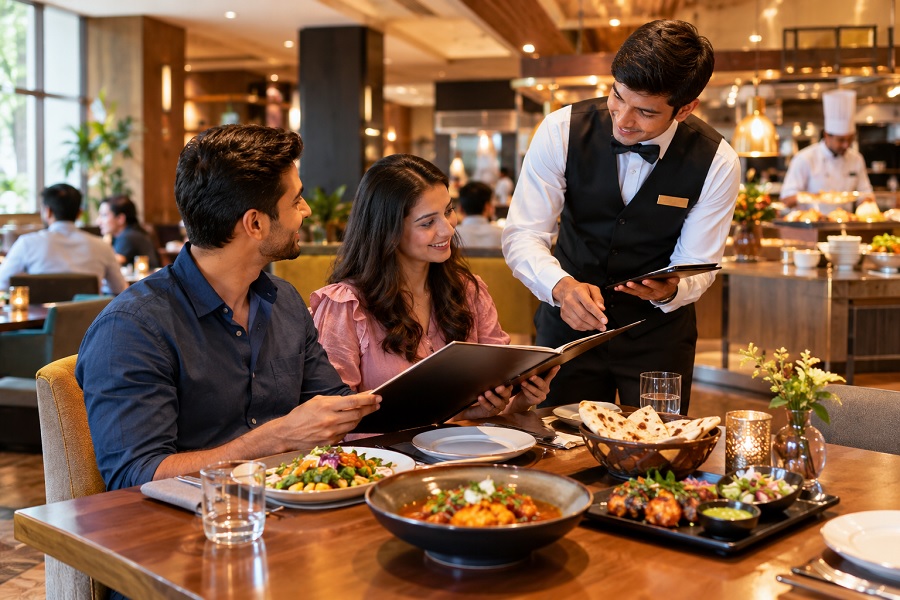
Hotel Restaurant Reviews: Food Quality, Menu Variety and Service
Introduction
A hotel restaurant plays an important role in creating a memorable hospitality experience. Guests expect more than comfortable rooms and attractive interiors. They also look for delicious food, a variety of menu options, clean dining spaces, and friendly service. Whether staying at a luxury hotel, business property, family resort, or boutique accommodation, visitors often consider restaurant quality when evaluating their overall stay.
Hotel restaurant reviews help travellers understand what to expect from a property's dining facilities. By evaluating food quality, menu selection, presentation, staff behaviour, hygiene, and pricing, guests can make informed decisions before booking their accommodation.
Importance of Hotel Restaurant Reviews
Restaurant reviews provide useful information about the dining experience available within a hotel. They help travellers compare accommodation options and determine whether a hotel's restaurant meets their expectations.
A detailed review should cover the taste of the food, freshness of ingredients, variety of dishes, portion sizes, cleanliness, service efficiency, and value for money. Food quality and service are particularly important factors in restaurant satisfaction. Source
For families, business travellers, couples, and international tourists, convenient and reliable dining options can make a hotel stay more enjoyable.
1. Food Quality and Taste
Food quality is one of the most important aspects of a hotel restaurant review. Guests generally expect dishes to be freshly prepared, flavourful, properly cooked, and served at the right temperature.
Reviewers can evaluate the balance of spices, freshness of ingredients, food presentation, portion sizes, and consistency across different dishes. A restaurant that maintains consistent standards throughout breakfast, lunch, and dinner can leave a positive impression on its guests.
Hotels that offer regional specialities alongside familiar dishes can also provide visitors with an opportunity to explore local culinary traditions.
2. Menu Variety and Food Choices
A varied menu allows guests with different preferences to enjoy their dining experience. Hotel restaurants may offer Indian, continental, Asian, regional, and international dishes, depending on their location and category.
Vegetarian meals, vegan choices, children's dishes, and options for guests with specific dietary requirements can make a restaurant more accessible to a wider audience.
Reviewers should consider whether the menu offers a balanced selection of starters, main courses, side dishes, desserts, and beverages. Seasonal ingredients and local specialities can add further value to the dining experience.
A large menu is not always necessary. The quality, freshness, and thoughtful selection of available dishes matter just as much as the number of options.
3. Restaurant Service and Staff Behaviour
Professional service can significantly improve the overall dining experience. Friendly staff, accurate order taking, prompt food delivery, and helpful recommendations contribute to guest satisfaction.
A useful review should examine how efficiently restaurant employees handle reservations, seating arrangements, special requests, and customer concerns.
During busy periods, organised service and clear communication are especially important. Guests appreciate staff members who remain courteous, attentive, and professional without making diners feel rushed.
4. Restaurant Cleanliness and Hygiene
Cleanliness is another essential consideration when reviewing a hotel restaurant. Guests expect hygienic dining tables, clean utensils, well-maintained floors, and properly managed food-serving areas.
Reviewers can also assess the general condition of the dining space and buffet counters. Food handling and storage practices are important, although a visitor should avoid making claims about kitchen hygiene that cannot be directly verified.
A clean and comfortable dining environment helps guests feel more confident about their restaurant experience.
5. Breakfast Buffet and Dining Experience
Breakfast is often one of the first dining experiences guests enjoy during a hotel stay. A good breakfast buffet may include fresh fruits, cereals, bread, regional dishes, hot meals, beverages, and made-to-order options.
Reviews should consider food freshness, refill frequency, variety, seating availability, and the efficiency of breakfast service.
Hotels that offer a combination of local specialities and familiar breakfast favourites can appeal to a broader range of travellers. Guests should also check whether breakfast is included in their room rate or charged separately.
6. Restaurant Ambience and Seating Comfort
The atmosphere of a hotel restaurant contributes to the overall dining experience. Comfortable seating, suitable lighting, attractive interiors, and reasonable noise levels can make meals more enjoyable.
Some guests prefer elegant fine-dining spaces, while others look for relaxed cafés, family-friendly restaurants, or outdoor seating with scenic views.
A good review should explain whether the restaurant's atmosphere matches its intended purpose and whether the seating arrangements provide sufficient comfort and privacy.
7. Pricing and Value for Money
Hotel restaurant prices can vary depending on the property's location, category, menu, and service standards. A detailed review should consider whether the food quality, portion sizes, presentation, and service justify the prices charged.
Guests should also check menu prices, buffet rates, taxes, service charges, and any additional fees before ordering.
Expensive dining is not automatically better, and affordable meals can still offer excellent quality. The most useful reviews explain what guests receive for the amount they pay.
8. Room Service and Special Requests
Room service can be particularly convenient for families with children, business travellers, and guests who prefer dining privately.
Reviewers can assess delivery time, order accuracy, food temperature, packaging, portion sizes, menu availability, and additional charges.
Hotels that communicate clearly about service hours and accommodate reasonable requests can create a more convenient experience for their guests.
9. Online Reviews and Guest Feedback
Online guest reviews help travellers compare hotel restaurants before making a reservation. Recent feedback can reveal recurring strengths and weaknesses relating to food quality, service speed, menu variety, and pricing.
Travellers should look for detailed reviews that describe actual dining experiences rather than relying exclusively on star ratings. It is also helpful to compare feedback across several recent reviews to identify consistent patterns.
Hotels can use constructive customer feedback to improve menu planning, staff training, service standards, and dining facilities.
10. Tips for Writing a Helpful Hotel Restaurant Review
When reviewing a hotel restaurant, consider the following points:
Mention the hotel's name, location, and restaurant type.
Describe the dishes you tried and their taste.
Evaluate ingredient freshness and food presentation.
Discuss menu variety and dietary options.
Comment on staff friendliness and waiting times.
Assess dining-area cleanliness and ambience.
Compare food prices with portion sizes and quality.
Include observations about breakfast or room service if applicable.
Highlight the restaurant's strengths and areas for improvement.
Provide an honest overall rating based on your experience.
Reviews should reflect genuine visits and personal observations. Avoid inventing customer experiences, ratings, or claims about a restaurant you have not evaluated.
Benefits of Choosing a Hotel with a Good Restaurant
A well-managed hotel restaurant offers convenience, especially for travellers with limited time or those staying in destinations where outside dining options are scarce. It can reduce the need to travel for meals and allow guests to enjoy breakfast, lunch, or dinner within the property.
Good dining facilities can also introduce travellers to local cuisine, support special occasions, and complement the comfort of their accommodation.
Conclusion
Hotel restaurant reviews are valuable resources for travellers who want to choose accommodation with reliable dining facilities. Food quality, menu variety, service, cleanliness, ambience, and pricing all contribute to a satisfying restaurant experience.
Whether guests prefer a breakfast buffet, regional specialities, casual dining, or an elegant dinner, an informative review helps them understand what to expect. By considering these factors and sharing honest feedback, travellers can make better accommodation decisions while helping hotels identify opportunities to improve their hospitality services.
.jpg)