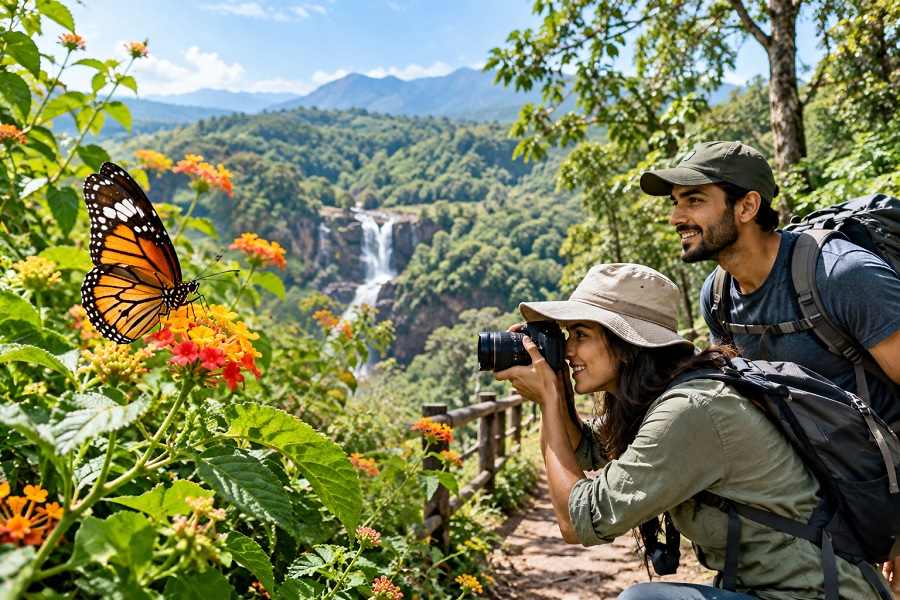
Bird Conservation Tourism: Exploring Nature While Protecting Birdlife
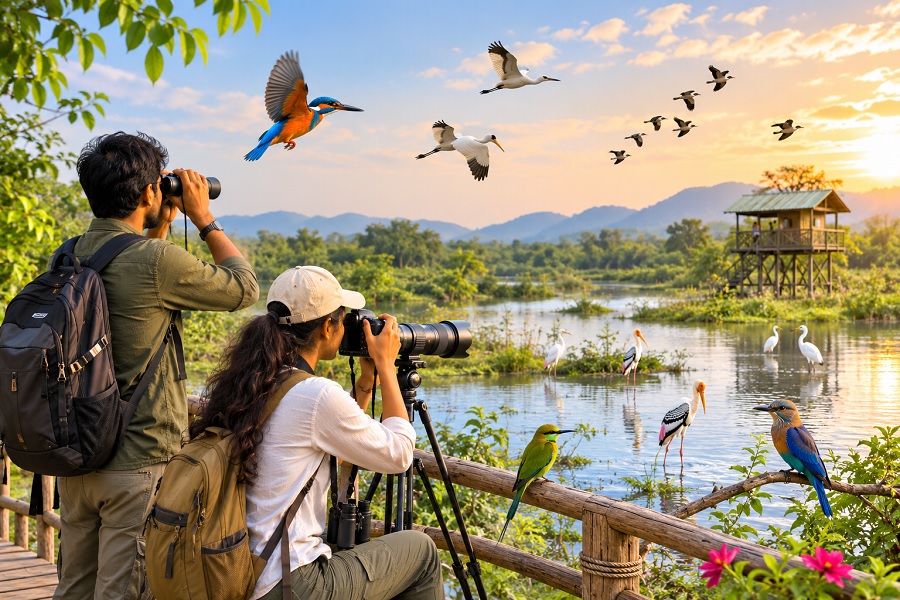
Bird Conservation Tourism: A Responsible Way to Explore and Protect Birdlife
Introduction
Bird Conservation Tourism is a specialized form of nature and wildlife tourism that combines birdwatching with habitat protection, environmental education, scientific observation, and community development. It gives travelers an opportunity to experience birds in their natural surroundings while encouraging responsible tourism practices.
Birdwatching tourism has significant potential to support local economies and conservation when it is properly managed. Research has found that birdwatching can create economic incentives for communities to protect natural areas, while recent studies continue to identify birdwatching as an important and growing part of nature-based tourism.
What Is Bird Conservation Tourism?
Bird Conservation Tourism focuses on visiting destinations where birds and their habitats are protected or managed for biodiversity. Activities can include guided birdwatching, bird photography, wetland tours, forest walks, migratory bird observation, bird festivals, conservation workshops, and citizen-science programs.
The main difference between ordinary sightseeing and conservation-focused bird tourism is the emphasis on protecting wildlife. Travelers are encouraged to observe birds without disturbing their natural behavior and to support local conservation initiatives.
Why Bird Conservation Tourism Matters
Birds are an important part of healthy ecosystems. They contribute to seed dispersal, pollination, insect control, nutrient cycling, and ecological monitoring. Their presence and population changes can also provide useful information about environmental conditions.
Bird Conservation Tourism can help by:
Increasing awareness about threatened bird species
Supporting protected areas and bird habitats
Creating employment for local guides
Encouraging habitat conservation
Supporting community-based tourism
Generating tourism revenue for conservation
Encouraging environmental education
Promoting scientific observation and citizen science
Studies have found that tourism revenue can contribute to protected-area management and bird conservation, particularly when tourism is linked directly to conservation objectives.
Popular Bird Conservation Tourism Activities
1. Guided Birdwatching
Guided birdwatching tours allow visitors to explore forests, wetlands, grasslands, mountains, rivers, and coastal areas with trained local guides. Guides can explain bird identification, calls, migration, feeding behavior, and conservation challenges.
2. Bird Photography
Bird photography is a popular part of avitourism. Photographers can document species and landscapes while developing a greater appreciation for biodiversity.
However, photographers should never approach nests, chase birds, use excessive playback, or disturb birds simply to obtain a better photograph.
3. Migratory Bird Tours
Migratory birds travel across countries and continents during their annual movements. Bird tourism during migration seasons can help travelers understand the importance of protecting stopover sites, wetlands, coastal areas, and breeding grounds.
4. Wetland Bird Tourism
Wetlands provide important habitats for ducks, herons, egrets, storks, cranes, shorebirds, and many other species. Wetland tourism can combine birdwatching with education about water conservation and ecosystem protection.
5. Bird Festivals
Bird festivals can bring together travelers, local communities, photographers, researchers, guides, and conservation organizations. They can promote awareness while creating additional tourism opportunities for destinations.
6. Citizen-Science Birdwatching
Travelers can record bird observations through recognized citizen-science platforms and organized surveys. Such observations can contribute to knowledge about bird distribution, migration, and population trends.
Community Benefits
One of the strongest opportunities offered by Bird Conservation Tourism is community participation.
Local residents can earn income through:
Bird guiding
Homestays
Eco-lodges
Local transportation
Food services
Handicrafts
Nature interpretation
Photography tours
Conservation activities
Research in the Hindu Kush Himalaya has highlighted the potential of avitourism to combine bird conservation with rural livelihood opportunities.
In India, community-based bird tourism is already being explored in areas such as Uttarakhand and West Bengal. WWF-India, for example, describes responsible tourism initiatives around Tagathang that combine local homestays, trained guides, and conservation of fragile mountain ecosystems.
Bird Conservation Tourism in India
India offers diverse opportunities for bird tourism because of its wide range of ecosystems, from Himalayan forests and wetlands to deserts, grasslands, mangroves, and coastal habitats.
Important bird tourism experiences can be developed around:
Wetlands
Wildlife sanctuaries
National parks
Forest reserves
River corridors
Himalayan landscapes
Coastal ecosystems
Agricultural landscapes
Chilika Lake in Odisha is a notable example. Odisha Tourism identifies Mangalajodi on Chilika as a major birding destination and highlights its community-led conservation approach, migratory bird habitat, and connection with the Central Asian Flyway.
Responsible Birdwatching Guidelines
Bird conservation must always come before obtaining a close sighting or photograph.
Travelers should:
Maintain a respectful distance from birds.
Never touch birds, eggs, or chicks.
Avoid approaching active nests.
Keep noise levels low.
Avoid using bird calls or playback irresponsibly.
Follow marked trails and viewing regulations.
Never chase birds for photographs.
Avoid feeding wild birds unless specifically permitted.
Do not damage vegetation or nesting habitats.
Follow instructions from local guides and conservation authorities.
Take all waste away from natural areas.
Choose responsible tour operators that support local communities.
Poorly managed birdwatching can cause stress and disturbance, so visitor behavior and tourism management are essential.
Role of Eco-Friendly Accommodation
Accommodation providers near bird habitats can become important partners in conservation. Eco-lodges, homestays, and nature resorts can reduce their environmental impact through responsible waste management, water conservation, renewable energy, native landscaping, and protection of surrounding vegetation.
Bird-friendly accommodation can also provide:
Bird identification guides
Observation decks
Local birding maps
Early breakfast options
Local bird guides
Nature interpretation programs
Information about conservation projects
Bird Tourism and Conservation Education
Bird Conservation Tourism can transform a holiday into an educational experience.
Travelers can learn about:
Bird identification
Migration
Endangered species
Habitat destruction
Wetland conservation
Forest ecosystems
Climate change
Pollution
Illegal hunting
Community conservation
Sustainable tourism
Education helps visitors understand why protecting habitats is just as important as protecting individual bird species.
Economic Importance of Bird Tourism
Birdwatchers often spend money on accommodation, transportation, food, guides, entry fees, equipment, photography services, and local products. This creates opportunities for businesses in rural and remote areas.
BirdLife South Africa's experience with birding routes demonstrates how structured bird tourism can connect destinations, guides, tourism operators, and conservation initiatives while creating opportunities for local communities.
Bird-related ecotourism resources developed by the Commission for Environmental Cooperation also emphasize local economic benefits, community engagement, habitat conservation, interpretation, monitoring, and evaluation.
Challenges of Bird Conservation Tourism
Bird tourism is not automatically sustainable. Without proper management, high visitor numbers and irresponsible behavior can negatively affect birds and habitats.
Major challenges include:
Disturbance around nesting areas
Overcrowding at popular locations
Excessive noise
Habitat damage
Off-trail walking
Littering
Unregulated construction
Poorly managed photography
Excessive vehicle traffic
Insufficient local participation
Tourism revenue not reaching conservation or communities
Destinations should therefore establish visitor guidelines, train guides, monitor sensitive areas, and ensure that tourism benefits are shared fairly.
Technology and the Future of Bird Tourism
Technology is becoming increasingly useful for birdwatchers and conservationists. Mobile identification tools, GPS applications, digital field guides, photography equipment, online bird databases, and citizen-science platforms can make bird observation more accessible.
Digital records can also help researchers understand species distribution and migration patterns. However, technology should be used responsibly and should never encourage visitors to reveal sensitive locations or disturb vulnerable species.
BirdLife International continues to promote international cooperation for bird and biodiversity conservation through its global partnership network.
How Travelers Can Support Bird Conservation
Travelers can make their trips more conservation-friendly by:
Hiring local bird guides
Staying in community-owned accommodation
Following protected-area rules
Supporting legitimate conservation organizations
Participating in responsible bird surveys
Purchasing local products
Avoiding wildlife disturbance
Reducing plastic waste
Respecting local communities
Choosing environmentally responsible tour operators
Even small choices can help create a stronger connection between tourism and conservation.
Conclusion
Bird Conservation Tourism provides an opportunity to enjoy nature while contributing to the protection of birds and their habitats. When tourism is carefully planned, it can generate income for communities, strengthen conservation awareness, support scientific observation, and provide financial benefits to protected areas.
The key is responsible behavior. Birds should never be treated simply as photographic attractions. By observing from a safe distance, supporting local communities, following conservation guidelines, and choosing responsible tourism services, travelers can help ensure that bird destinations remain healthy for future generations.
Bird Conservation Tourism is therefore more than birdwatching. It is a way of connecting travel, biodiversity, education, local livelihoods, and long-term environmental protection.