Wildflower Ecotourism: Exploring Nature’s Most Beautiful Seasonal Landscapes
Wildflower Ecotourism: A Complete Guide to Sustainable Flower and Nature Travel
Wildflower ecotourism is an emerging form of nature-based travel that allows visitors to explore natural landscapes during seasonal wildflower blooms. From alpine meadows and mountain valleys to grasslands, forests, wetlands, and coastal habitats, wildflower destinations can offer spectacular scenery while also creating opportunities to learn about biodiversity and conservation.
Unlike conventional sightseeing, wildflower ecotourism focuses on experiencing plants in their natural environments. Travelers can walk through designated trails, photograph native flowers, learn about local ecosystems, participate in guided nature walks, and support conservation initiatives.
When managed responsibly, wildflower tourism can also benefit local communities and encourage visitors to protect fragile habitats.
What Is Wildflower Ecotourism?
Wildflower ecotourism is a form of responsible nature tourism centered around naturally occurring flowering plants and their surrounding ecosystems.
The experience can include:
Wildflower meadow walks
Botanical tours
Guided nature trails
Mountain flower expeditions
Nature photography
Plant identification workshops
Conservation activities
Botanical garden visits
Local community experiences
Educational ecology tours
The main objective is not simply to see beautiful flowers. It is to understand the relationship between plants, insects, birds, soil, climate, water, and other parts of the ecosystem.
Why Wildflower Tourism Is Becoming Popular
Wildflower destinations provide travelers with a combination of natural beauty, outdoor recreation, photography, and education.
Seasonal blooms are particularly attractive because they create a limited-time travel opportunity. A valley may look completely different during flowering season compared with the rest of the year.
This seasonality encourages travelers to plan trips around natural events rather than fixed attractions.
Wildflower tourism is also suitable for different types of travelers, including:
Nature lovers
Photographers
Families
Couples
Hikers
Botanists
Birdwatchers
Outdoor enthusiasts
Wellness travelers
Eco-conscious tourists
The Ecological Importance of Wildflowers
Wildflowers play an important role in healthy ecosystems.
They provide food and habitat for pollinators such as bees, butterflies, moths, and other insects. Their presence can also contribute to broader plant diversity and support birds and other wildlife.
Different wildflower species are adapted to specific environments. Some thrive in alpine conditions, while others are associated with grasslands, wetlands, forests, or coastal ecosystems.
For this reason, wildflower habitats can be valuable indicators of environmental conditions and biodiversity.
Best Wildflower Ecotourism Experiences
1. Wildflower Meadow Walks
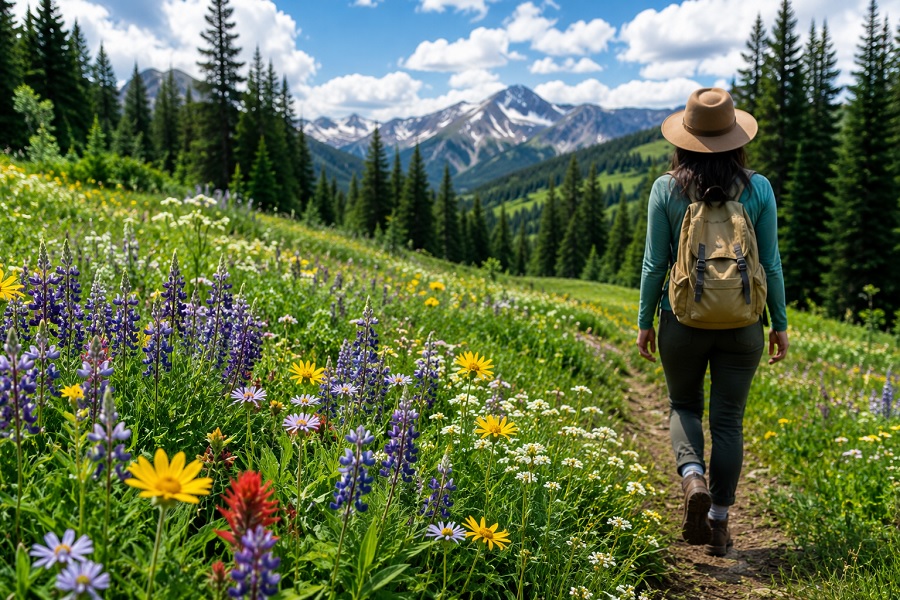
Walking through a natural meadow during peak flowering season can be one of the simplest and most rewarding wildflower experiences.
Guided walks can help visitors identify native species and understand their ecological roles.
2. Alpine Wildflower Tours
High-altitude regions often produce spectacular seasonal displays.
Mountain wildflowers have adapted to challenging conditions such as low temperatures, strong winds, short growing seasons, and intense sunlight.
Travelers should follow designated trails because alpine vegetation can be particularly fragile.
3. Botanical Nature Trails
Botanical trails combine recreation with education.
Interpretive signs or local guides can explain plant names, flowering periods, traditional uses, pollination, and conservation status.
4. Wildflower Photography Tours
Wildflowers are excellent subjects for nature photography.
Travelers can photograph individual flowers, entire meadows, mountain landscapes, insects, and changing seasonal scenery.
Responsible photography is important. Visitors should avoid stepping into flower beds or moving plants simply to create a better composition.
5. Butterfly and Wildflower Tours
Wildflower destinations can attract butterflies and other pollinators, making combined butterfly and flower tours particularly interesting.
Visitors can learn how flowering plants provide nectar and habitat for insects throughout their life cycles.
6. Birdwatching and Wildflower Tourism
Healthy flowering ecosystems can support insects and seeds that form part of the food web for birds.
Combining birdwatching with wildflower walks creates a broader biodiversity experience.
Famous Wildflower Destinations in India
India has diverse landscapes that support seasonal flowering across mountains, forests, grasslands, plateaus, and valleys.
Valley of Flowers, Uttarakhand
The Valley of Flowers is one of India's most famous alpine flower destinations.
Located in the Himalayan region, the landscape becomes particularly colorful during the flowering season. Visitors can experience mountain scenery, seasonal blooms, and high-altitude ecosystems.
The area is also important for biodiversity conservation.
Kaas Plateau, Maharashtra
Kaas Plateau is famous for its seasonal wildflowers and unique plant diversity.
During the flowering season, the landscape can transform into a colorful natural carpet. The area is particularly interesting for visitors interested in botanical diversity and seasonal nature tourism.
Because the ecosystem is fragile, visitors should remain on designated paths and follow local regulations.
Western Ghats
The Western Ghats contain diverse habitats and many plant species. Seasonal flowering events in different parts of the region can create opportunities for botanical tourism.
Wildflower experiences can often be combined with forest walks, wildlife tourism, birdwatching, and rural tourism.
Himalayan Flowering Landscapes
Several Himalayan regions experience seasonal flowering that attracts nature enthusiasts.
Depending on altitude and location, visitors may encounter different plant communities and flowering periods.
Travelers should research local conditions because flowering times can change depending on weather patterns.
International Wildflower Ecotourism
Wildflower tourism is also popular in many countries.
Switzerland
Swiss alpine meadows are known for seasonal mountain flowers surrounded by dramatic landscapes.
Hiking routes can provide opportunities to experience wildflowers while enjoying mountain scenery.
Japan
Japan offers several seasonal flower experiences, including natural flowering landscapes and carefully protected plant habitats.
Travelers should distinguish between naturally occurring wildflower ecosystems and landscaped flower gardens, as the ecological experience can be different.
South Africa
South Africa's Cape region is internationally recognized for exceptional plant diversity and seasonal flowering landscapes.
Wildflower tourism can be combined with conservation, wildlife, and coastal travel.
United Kingdom
The British countryside contains meadows, grasslands, woodland flowers, and protected nature reserves where visitors can experience seasonal blooms.
Wildflower walks are often combined with hiking, birdwatching, and landscape photography.
North America
Several regions in the United States and Canada offer seasonal wildflower experiences across deserts, mountains, prairies, forests, and grasslands.
Visitors should check local park conditions and flowering forecasts before traveling.
Best Time for Wildflower Tourism
Wildflower tourism is highly seasonal.
There is no universal wildflower season because flowering depends on:
Climate
Altitude
Rainfall
Temperature
Soil
Plant species
Geographic location
Snowmelt
Local weather conditions
Mountain regions may bloom during summer, while desert areas can have spectacular flowering after seasonal rainfall.
Before traveling, visitors should check local conservation authorities, park services, botanical organizations, or destination management agencies for current flowering conditions.
How Climate Change Affects Wildflowers
Climate change can influence flowering patterns and ecosystems.
Changes in temperature and precipitation may affect when plants flower, how long blooms last, and how species interact with pollinators.
Extreme weather can also damage fragile habitats.
For this reason, wildflower tourism should be closely connected with conservation and environmental education.
Travelers can contribute by choosing responsible operators and respecting protected areas.
Responsible Wildflower Tourism Rules
Wildflower ecosystems can be extremely sensitive to visitor pressure.
A responsible visitor should:
Stay on marked trails.
Never pick wildflowers.
Avoid stepping on flowering plants.
Do not remove seeds or plants.
Avoid disturbing insects and wildlife.
Keep noise levels low.
Carry waste back.
Avoid single-use plastics.
Follow photography guidelines.
Respect protected-area regulations.
Use designated parking and facilities.
Follow instructions from local guides.
These simple practices can help protect the destination for future visitors.
Why Picking Wildflowers Is Harmful
Picking a flower may appear harmless, but repeated collection by large numbers of visitors can reduce plant reproduction and damage fragile habitats.
Some wildflowers have restricted distributions or short growing seasons.
Removing flowers can also reduce food availability for pollinators.
The best souvenir is a photograph and a memory rather than a plant taken from its natural environment.
Community-Based Wildflower Tourism
Local communities can play an important role in developing responsible wildflower tourism.
Residents can work as:
Nature guides
Homestay operators
Drivers
Local food providers
Photographers
Conservation educators
Craft producers
Tourism entrepreneurs
When tourism income reaches local communities, residents can have stronger economic incentives to protect natural landscapes.
Community participation can also help visitors understand local traditions and environmental knowledge.
Wildflower Tourism and Local Economy
Well-managed wildflower tourism can create seasonal economic opportunities.
Visitors may spend money on:
Accommodation
Local transportation
Guides
Food
Photography services
Handicrafts
Nature workshops
Park services
Local tours
However, destinations need careful planning to prevent excessive tourism from damaging the very ecosystems that attract visitors.
Wildflower Tourism for Families
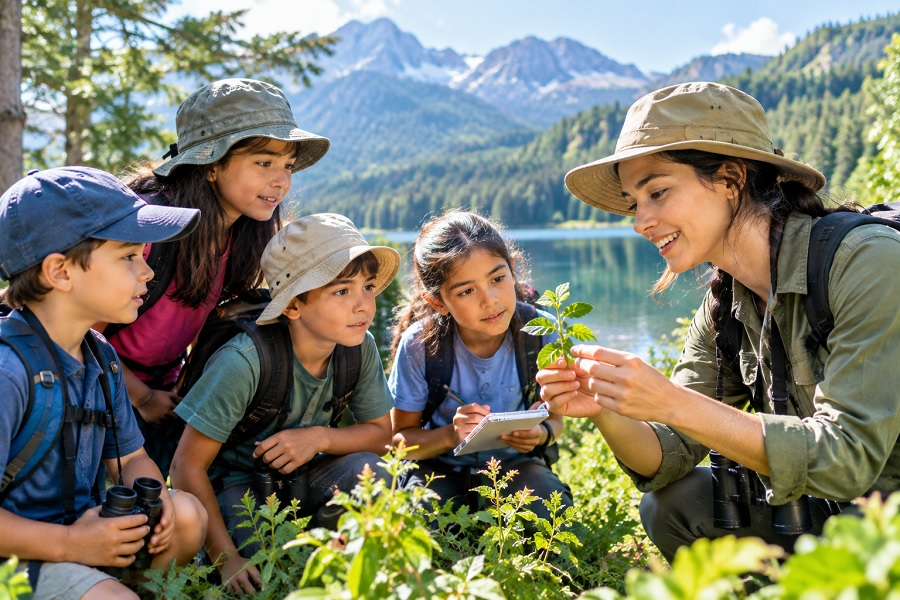
Wildflower trips can be educational family experiences.
Children can learn how plants grow, identify flowers, observe insects, and understand the importance of pollination.
Families should select trails appropriate for children's ages and abilities.
Parents should also teach children not to pick flowers, disturb wildlife, or leave designated paths.
Wildflower Tourism for Couples
Couples can enjoy peaceful nature walks, photography sessions, scenic picnics in permitted areas, and sunrise or sunset landscape experiences.
Wildflower landscapes can also provide beautiful settings for travel photography.
Couples should prioritize designated viewing areas rather than entering fragile flower fields.
Wildflower Tourism for Photographers
Wildflower landscapes provide a wide range of photography opportunities.
Photographers can focus on:
Macro flower photography
Wide landscape compositions
Mountain flower panoramas
Pollinator photography
Morning dew
Seasonal color changes
Botanical details
Wildlife and flowers together
Using a telephoto or macro lens can help photographers capture details without physically approaching or touching sensitive plants.
Eco-Friendly Accommodation
Accommodation is an important part of sustainable wildflower tourism.
Travelers can consider:
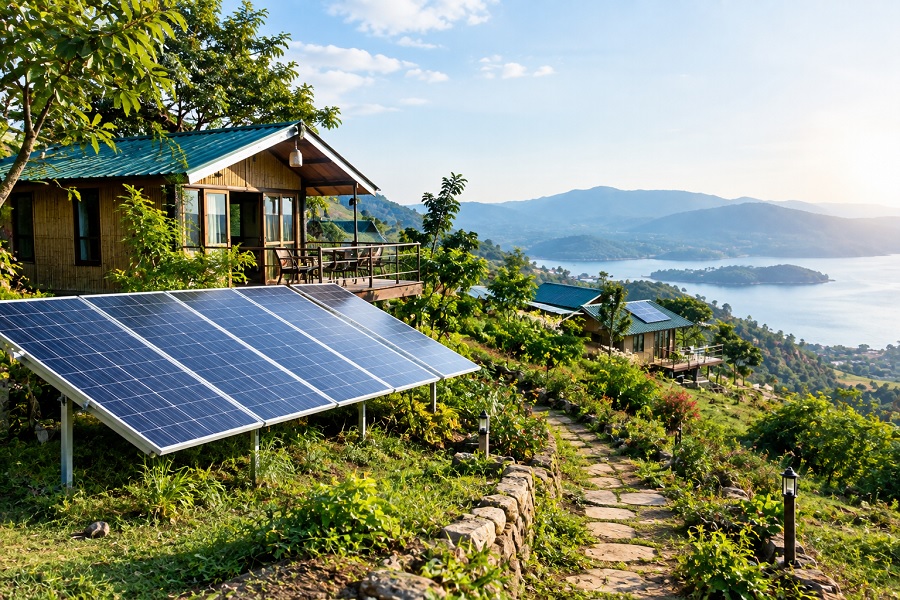
Eco-lodges
Responsible homestays
Nature camps
Farm stays
Certified sustainable hotels
Community-run accommodations
Choosing local accommodation can also reduce unnecessary transportation and support destination communities.
What to Pack
A wildflower trip often involves walking outdoors, so practical equipment is important.
Recommended items include:
Comfortable hiking shoes
Lightweight clothing
Sun protection
Hat
Reusable water bottle
Rain protection
Small backpack
Camera
Binoculars
Field guide or plant-identification app
Insect protection
Basic first-aid supplies
Travelers visiting high-altitude regions should also prepare according to local weather and altitude conditions.
Planning a Wildflower Ecotourism Trip
Start by choosing the ecosystem you want to explore.
A mountain flower expedition will require different preparation from a grassland or wetland visit.
Research:
Flowering season
Current bloom conditions
Weather forecast
Trail difficulty
Protected-area regulations
Local transportation
Accommodation
Guide availability
Photography rules
Conservation requirements
Avoid planning solely around old photographs because flowering conditions can change from year to year.
Future of Wildflower Ecotourism
The future of wildflower tourism is likely to focus increasingly on conservation, education, community participation, and responsible visitor management.
Technology can also help travelers identify plants, monitor flowering seasons, discover responsible trails, and learn about local ecosystems.
Citizen science may become another important element. Visitors can potentially contribute observations to biodiversity research through approved programs while following local rules.
The strongest wildflower tourism models will balance visitor enjoyment with habitat protection.
Conclusion
Wildflower ecotourism offers travelers a beautiful way to explore nature while learning about biodiversity and conservation. From Himalayan valleys and mountain meadows to grasslands, forests, wetlands, and seasonal flowering landscapes, these destinations can provide unforgettable experiences.
However, wildflower tourism must be approached responsibly. Flowers should be observed rather than picked, visitors should remain on designated trails, and fragile ecosystems should be protected from excessive tourism pressure.
When travelers, local communities, tourism operators, and conservation organizations work together, wildflower tourism can generate economic benefits while helping preserve natural habitats for future generations.