Sustainable Stays: Exploring Rainwater Harvesting Eco Resorts
Rainwater Harvesting Eco Resorts: Sustainable Stays for Responsible Travelers
Rainwater Harvesting Eco Resorts are becoming an important part of sustainable tourism as travelers increasingly look for accommodation that combines comfort with responsible environmental practices. These resorts collect, store, filter, and reuse rainwater for suitable purposes, helping reduce pressure on local water resources.
From forest lodges and mountain retreats to coastal resorts and rural farm stays, rainwater harvesting can support water conservation while creating a more environmentally responsible hospitality model.
What Are Rainwater Harvesting Eco Resorts?
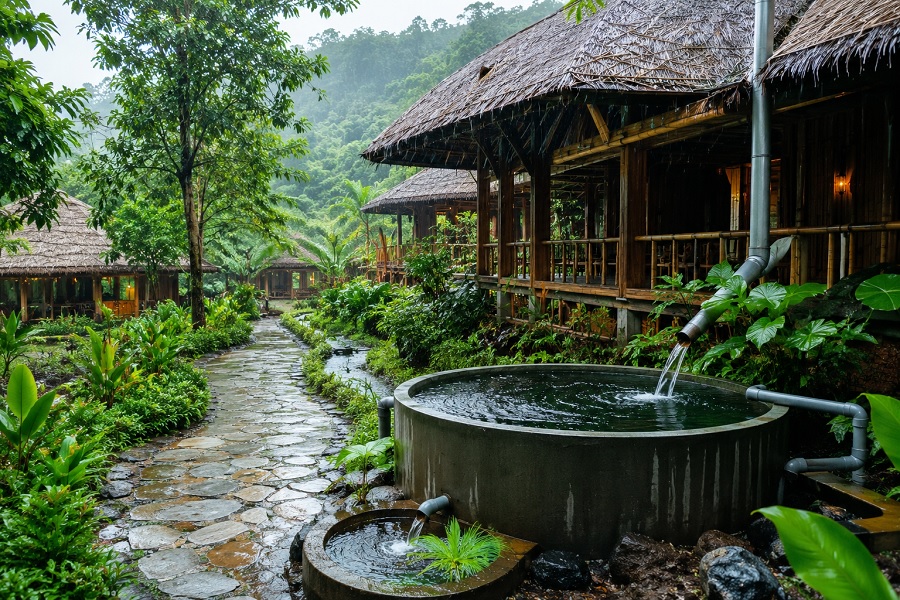
Rainwater harvesting eco resorts are accommodations designed to collect rainfall from suitable surfaces, usually rooftops and other catchment areas. The collected water is directed through drainage systems into storage tanks or other collection structures.
Depending on local regulations, treatment systems, and water quality requirements, harvested rainwater may be used for activities such as landscape irrigation, toilet flushing, cleaning, and other non-potable purposes. Properly treated water may also be suitable for additional uses where local standards allow it.
The exact system differs according to the resort's location, rainfall patterns, infrastructure, and water requirements.
Why Rainwater Harvesting Matters in Tourism
Hotels and resorts can use substantial amounts of water for guest rooms, restaurants, swimming pools, gardens, laundry, cleaning, and other operations. In destinations where freshwater resources are limited, responsible water management becomes particularly important.
Rainwater harvesting can help resorts diversify their water sources and reduce dependence on municipal supplies or groundwater. It can also encourage visitors to understand the importance of water conservation.
Key Features of Eco Resorts With Rainwater Systems
A well-designed rainwater harvesting resort may include several components:
Rooftop rainwater collection systems
Gutters and downpipes
First-flush systems
Filtration units
Storage tanks
Water-level monitoring
Rain gardens
Recharge pits
Groundwater recharge systems
Efficient irrigation systems
Water-saving bathroom fixtures
The combination of these technologies can make water management more efficient.
Rainwater Harvesting in Mountain Resorts
Mountain destinations often experience seasonal rainfall and may have fragile water systems. Eco resorts in these areas can use rainwater collection as part of a broader conservation strategy.
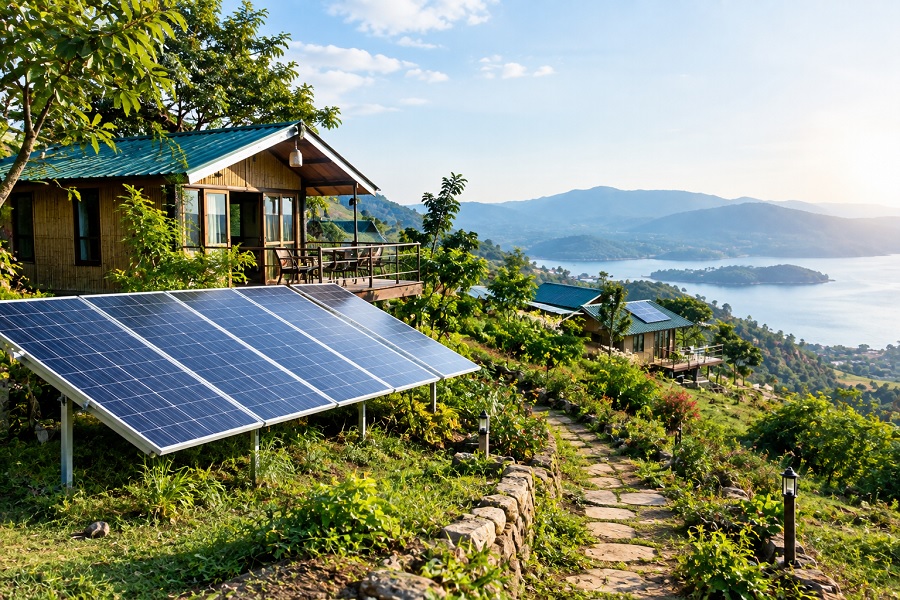
Visitors staying in mountain eco resorts can enjoy nature while learning about responsible water use. Resorts may also combine rainwater harvesting with solar power, local construction materials, waste reduction, and nature conservation.
Rainwater Harvesting in Forest Resorts
Forest resorts can integrate rainwater systems into their environmental management plans. Collected rainwater can potentially support landscaping and other suitable non-potable applications.
Using efficient irrigation methods can further reduce water consumption and help prevent unnecessary water loss.
Rainwater Harvesting in Coastal Resorts
Coastal destinations can face seasonal water shortages despite receiving substantial rainfall during certain periods. Rainwater collection can provide an additional source of water for appropriate resort operations.
Coastal eco resorts can also combine water conservation with measures such as reducing plastic waste, protecting local ecosystems, using native plants, and supporting community conservation projects.
Sustainable Landscaping
Eco resorts can make their rainwater systems more effective by designing landscapes that require less irrigation.
Native and drought-tolerant plants can reduce water requirements. Rain gardens, permeable surfaces, and carefully planned drainage can also help manage stormwater and reduce runoff.
Guest Participation in Water Conservation
Sustainable resorts can make guests part of the conservation effort without compromising comfort.
Simple measures include:
Optional towel and linen reuse
Water-efficient showers
Low-flow fixtures
Clearly communicated conservation information
Refillable drinking-water stations
Efficient irrigation
Leak monitoring
Educational displays can explain how the resort's rainwater system works and show guests how much water can potentially be conserved.
Benefits for Eco Resorts
Rainwater harvesting can provide several potential benefits when appropriately designed and maintained.
Water Conservation
Harvesting rainfall can reduce reliance on other water sources for suitable applications.
Reduced Stormwater Runoff
Collection systems can help manage rainfall that would otherwise flow rapidly across roofs and other surfaces.
Greater Water Resilience
Stored rainwater can provide an additional resource during periods when conventional supplies are under pressure, subject to adequate storage and local conditions.
Environmental Education
A visible rainwater harvesting system can demonstrate sustainable practices to guests.
Sustainable Brand Identity
Responsible water management can become part of a resort's broader environmental strategy and guest experience.
Challenges of Rainwater Harvesting
Rainwater harvesting is not a complete solution to every water challenge. System performance depends heavily on rainfall, collection area, storage capacity, water demand, and maintenance.
During prolonged dry periods, stored supplies may become limited. Initial installation costs can also be significant, particularly for large hospitality properties.
Water quality is another important consideration. Collected rainwater must be appropriately managed and treated according to its intended use and applicable regulations.
Combining Rainwater Harvesting With Other Green Technologies
Modern eco resorts can combine water conservation with several other sustainability measures, including:
Solar energy systems
Energy-efficient lighting
Passive building design
Greywater management
Wastewater treatment
Composting
Organic gardens
Local food sourcing
Electric vehicle charging
Plastic reduction
Native landscaping
Together, these measures can create a more comprehensive sustainable accommodation model.
Choosing a Rainwater Harvesting Eco Resort
Travelers interested in sustainable accommodation should look beyond marketing claims. Before booking, they can check whether the property provides clear information about its environmental practices.
Useful questions include:
Does the resort collect rainwater?
What is harvested water used for?
Does the property have water-saving systems?
Does it monitor water consumption?
Does it treat wastewater responsibly?
Does it protect local ecosystems?
Does it support nearby communities?
Does it provide refillable drinking-water facilities?
Does it use native or low-water landscaping?
Does it publish measurable sustainability information?
Family-Friendly Eco Tourism
Rainwater harvesting resorts can also offer educational experiences for families. Children can learn how rainfall is collected, stored, filtered, and reused.
A visible water conservation system can turn a hotel stay into a practical environmental learning experience.
Future of Rainwater Harvesting Eco Resorts
As sustainable tourism develops, water management is expected to remain an important consideration for hospitality businesses. Resorts may increasingly use sensors, automated monitoring, efficient irrigation, smart water meters, and improved storage technologies.
The focus is also likely to move beyond simply collecting rainwater toward comprehensive water stewardship. This can include reducing consumption, reusing suitable water, protecting watersheds, restoring natural landscapes, and working with local communities.
Conclusion
Rainwater Harvesting Eco Resorts offer an interesting combination of comfortable accommodation and responsible water management. By collecting rainfall and using it appropriately, resorts can potentially reduce pressure on conventional water supplies while educating guests about conservation.
For travelers, choosing accommodation with genuine water-saving practices can be one way to make tourism more environmentally responsible. When rainwater harvesting is combined with renewable energy, sustainable food systems, waste reduction, ecosystem protection, and community involvement, it can become part of a broader approach to responsible hospitality.