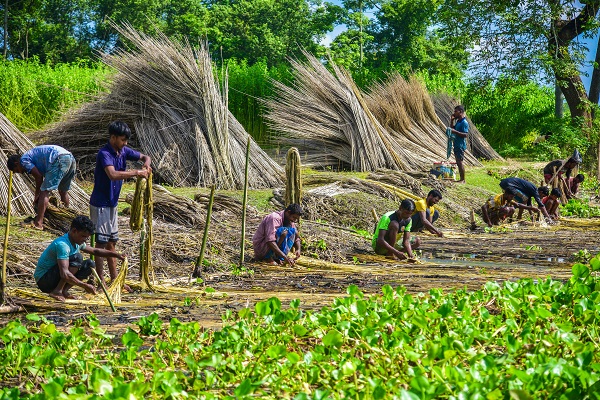
Sustainable Fishing Village Tourism: Exploring Coastal Life and Protecting Marine Ecosystems
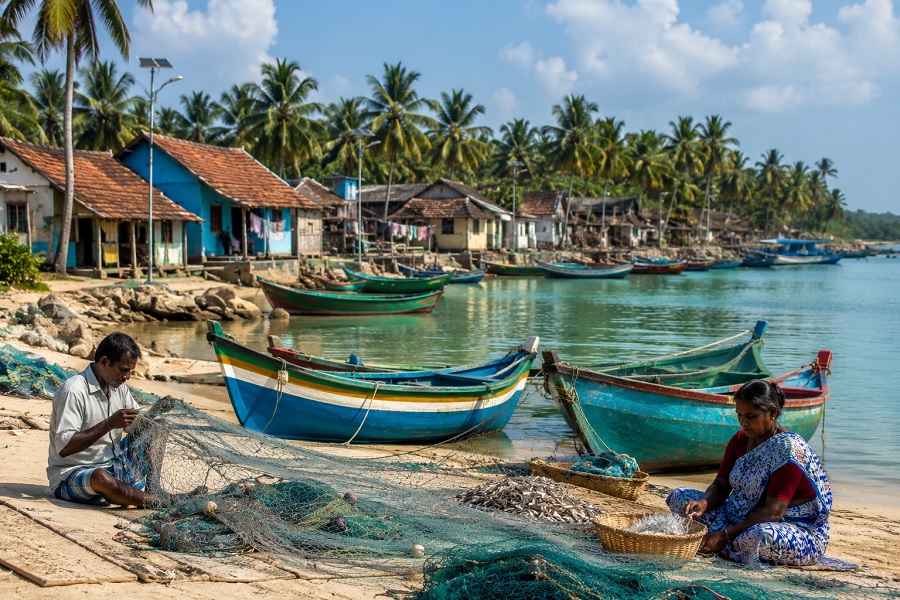
Sustainable Fishing Village Tourism: Exploring Coastal Life Responsibly
Sustainable Fishing Village Tourism is becoming an increasingly attractive form of responsible travel for visitors who want to experience authentic coastal life while supporting local communities and protecting marine ecosystems. Instead of focusing only on beaches and resorts, this type of tourism allows travelers to discover traditional fishing practices, local seafood culture, coastal landscapes, and the everyday lives of fishing communities.
When managed responsibly, tourism can create additional income opportunities for fishing families while encouraging visitors to understand the importance of protecting oceans, mangroves, coral reefs, and coastal biodiversity.
Experience Authentic Fishing Village Life
A visit to a fishing village offers travelers an opportunity to experience a lifestyle closely connected with the sea. Visitors can observe fishermen preparing boats and nets, learn about traditional fishing methods, explore local markets, and discover how coastal communities have adapted to changing environmental and economic conditions.
Guided village walks can introduce travelers to local traditions, historic waterfronts, boat-building techniques, and traditional homes. These experiences provide a deeper understanding of coastal culture that cannot be found in conventional beach tourism.
Support Local Communities
One of the most important benefits of sustainable fishing village tourism is its potential to diversify local livelihoods. Tourism activities can create opportunities for local guides, boat operators, homestay owners, cooks, artisans, and small businesses.
Community participation is particularly important. Successful models show that when local residents are involved in guiding, boating, visitor management, and tourism businesses, economic benefits can remain within the community while protecting the surrounding environment.
Discover Sustainable Fishing Practices
Responsible fishing experiences can help visitors understand the importance of sustainable marine resource management. Travelers may learn about traditional fishing techniques, seasonal fishing practices, local seafood, and the challenges faced by small-scale fishing communities.
Tourism should complement rather than replace sustainable fishing livelihoods. Activities should be designed carefully so that visitors do not interfere with fishing operations or encourage harmful practices. Educational tours can instead highlight the importance of respecting fishing seasons, protecting breeding grounds, and reducing overfishing.
Explore Marine and Coastal Ecosystems
Fishing villages are often surrounded by valuable natural environments, including mangroves, coral reefs, seagrass beds, wetlands, and estuaries. These ecosystems support marine life and play an important role in protecting coastlines.
Travelers can explore these environments through low-impact activities such as kayaking, birdwatching, snorkeling, nature walks, and guided boat tours. In some destinations, tourism also supports conservation activities such as coral restoration and mangrove protection. Pemuteran in Bali, for example, is recognized by UN Tourism for its community-led approach to coral restoration and sustainable fishing, with tourism helping connect visitors to marine conservation.
Enjoy Local Seafood Responsibly
Food is an important part of the fishing village experience. Visitors can enjoy locally prepared seafood dishes and learn about traditional cooking methods and regional recipes.
For a truly sustainable experience, travelers should choose seafood responsibly and support restaurants and businesses that source their ingredients from legal and sustainable fisheries. Local food experiences can also include vegetables, grains, spices, and traditional recipes that reflect the broader culture of coastal communities.
Choose Eco-Friendly Activities
Sustainable fishing village tourism works best when activities have a low environmental impact. Visitors can choose non-motorized boating, kayaking, cycling, walking tours, birdwatching, and cultural workshops where appropriate.
Accommodation also plays a role. Community-run homestays and small eco-friendly guesthouses can provide visitors with a more authentic experience while supporting local employment. Waste reduction, responsible water use, renewable energy, and proper sewage management are important elements of sustainable coastal tourism.
Protect Marine Life and Coastal Habitats
Tourists have an important role to play in protecting fragile coastal ecosystems. Visitors should avoid littering, never leave plastic waste behind, and avoid damaging coral reefs or disturbing wildlife.
Fishing villages can also become centers for environmental education. Community-led projects that combine tourism with mangrove restoration, marine conservation, and environmental awareness can create long-term benefits for both residents and visitors. Recent community-based coastal initiatives have demonstrated how tourism can be linked with conservation, local entrepreneurship, and environmental education.
Create Meaningful Cultural Experiences
Fishing village tourism is not only about nature. It is also about culture and heritage. Traditional boat building, folk music, coastal festivals, seafood traditions, storytelling, handicrafts, and local architecture can all become part of the visitor experience.
Travelers should approach these experiences with respect and avoid treating local communities simply as tourist attractions. Authentic cultural tourism works best when residents have control over how their traditions are presented and when tourism income contributes fairly to the community.
The Future of Sustainable Fishing Village Tourism
The future of sustainable fishing village tourism lies in finding a balance between tourism, conservation, and traditional livelihoods. Community participation, responsible visitor management, environmental education, and low-impact tourism activities can help coastal destinations grow without losing their cultural identity or damaging marine ecosystems.
As travelers increasingly seek authentic and meaningful experiences, fishing villages have an opportunity to showcase their unique connection with the ocean. With thoughtful planning and responsible tourism practices, these destinations can provide memorable journeys while supporting local economies and protecting coastal environments for future generations.
Conclusion
Sustainable Fishing Village Tourism offers a unique way to experience coastal culture, traditional livelihoods, local food, and marine environments. By choosing community-based experiences, respecting local traditions, reducing environmental impact, and supporting small local businesses, travelers can contribute to a healthier and more resilient coastal tourism economy.
The ideal fishing village tourism experience is one where visitors enjoy the beauty of the coast while leaving the destination with stronger communities, protected ecosystems, and a renewed appreciation for the people whose lives are connected to the sea.