Karnataka Forest Ecotourism: Discovering Wildlife and Natural Wonders
Karnataka Forest Ecotourism: Exploring Nature, Wildlife and Sustainable Travel
Introduction
Karnataka Forest Ecotourism offers travellers an opportunity to explore lush forests, wildlife habitats, rivers, waterfalls and mountain landscapes while learning about the importance of conservation. From the Western Ghats to the forests of Kodagu and the wildlife-rich regions of southern Karnataka, the state provides diverse nature-based experiences.
With protected forests, wildlife sanctuaries, national parks and community-oriented tourism opportunities, Karnataka is an attractive destination for travellers seeking responsible and immersive outdoor experiences.
What Is Karnataka Forest Ecotourism?
Karnataka Forest Ecotourism refers to nature-based travel focused on experiencing the state's forests and natural landscapes while encouraging environmental protection and responsible tourism.
Instead of concentrating only on sightseeing, forest ecotourism can include wildlife observation, guided nature walks, birdwatching, trekking, photography, conservation education and visits to forest-edge communities.
The objective is to allow visitors to enjoy nature while reducing environmental impact and supporting conservation and local livelihoods.
Why Karnataka Is Ideal for Forest Ecotourism
Karnataka has a remarkable variety of landscapes, including evergreen forests, dry deciduous forests, grasslands, rivers and mountain ecosystems.
The Western Ghats are particularly important for biodiversity and contain many species of plants and animals found in the region.
Some of the major attractions of Karnataka's forest tourism include:
Rich biodiversity
Wildlife sanctuaries and national parks
Western Ghats landscapes
Waterfalls and rivers
Birdwatching opportunities
Nature trails
Trekking routes
Forest camps and eco-stays
Local cultural experiences
Conservation programmes
Major Forest Ecotourism Destinations in Karnataka
1. Bandipur
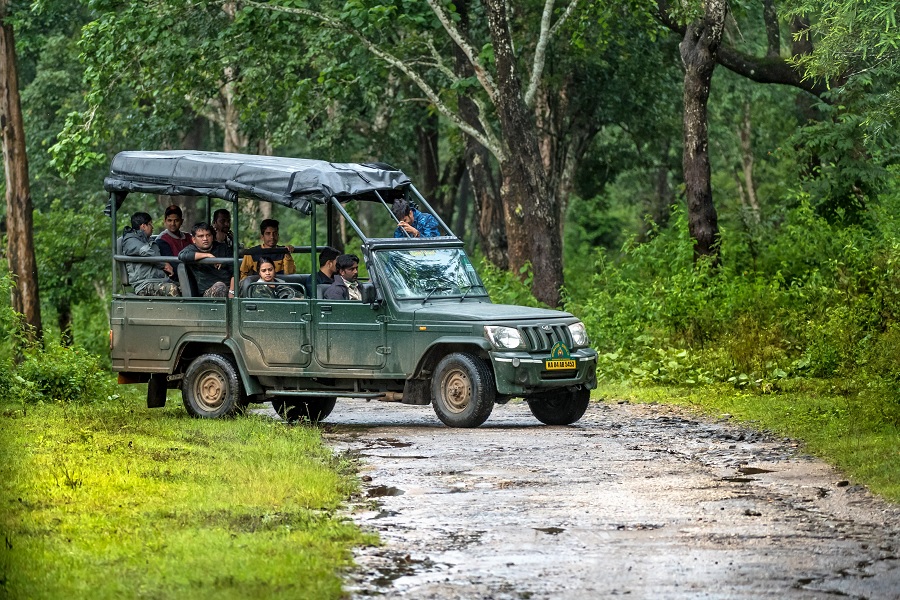
Bandipur is one of Karnataka's best-known wildlife destinations. Its forests provide habitat for elephants, tigers, deer and numerous bird species.
Wildlife safaris and guided nature experiences provide opportunities to observe animals while learning about forest ecosystems and conservation.
2. Nagarahole
Nagarahole is another important wildlife landscape in Karnataka. Its forests, rivers and grasslands support a wide variety of wildlife.
Visitors can experience wildlife safaris, nature observation and scenic forest landscapes while following park regulations designed to protect the environment.
3. Bhadra Wildlife Sanctuary
Bhadra offers a combination of forests, hills and water bodies. It is suitable for travellers interested in wildlife, birdwatching and outdoor activities.
The area's natural environment provides opportunities for peaceful nature experiences away from heavily urbanised destinations.
4. Dandeli
Dandeli is well known for its forests, river landscapes and adventure tourism. Visitors can combine ecotourism with activities such as nature walks, birdwatching and responsible river-based experiences.
The destination is particularly attractive to travellers looking for a combination of wildlife and adventure.
5. Kodagu
Kodagu, also known as Coorg, is famous for its green hills, forests, coffee plantations and streams.
Forest walks and plantation experiences can introduce visitors to the area's natural environment and traditional agricultural practices.
Wildlife Experiences
Wildlife is one of the biggest attractions of Karnataka Forest Ecotourism.
Depending on the destination and season, visitors may have opportunities to observe:
Tigers
Asian elephants
Leopards
Sloth bears
Gaur
Spotted deer
Sambar
Wild dogs
Crocodiles
Numerous bird species
Wildlife sightings are never guaranteed, and responsible visitors should avoid disturbing animals or attempting to approach them.
Birdwatching in Karnataka's Forests
Karnataka is an excellent destination for birdwatching because of its diverse habitats.
Forest areas, wetlands, rivers and grasslands support many resident and migratory birds.
Birdwatching tourism can encourage visitors to slow down and appreciate smaller elements of forest ecosystems that may otherwise be overlooked.
Early morning guided birdwatching walks can be particularly rewarding because bird activity is often higher during cooler parts of the day.
Forest Trekking Experiences
Trekking provides another way to experience Karnataka's forests and mountain landscapes.
Nature trails can take travellers through dense vegetation, hills, streams and scenic viewpoints.
Responsible trekking practices are important. Visitors should remain on designated routes, avoid littering, respect wildlife and follow instructions from forest authorities or trained guides.
Waterfalls and River Tourism
Karnataka's forests are closely connected with rivers and seasonal waterfalls. These natural attractions add another dimension to forest tourism.
Visitors can explore scenic waterways while combining their trips with nature walks, photography and local sightseeing.
However, travellers should be particularly careful around waterfalls and rivers because water levels and currents can change rapidly.
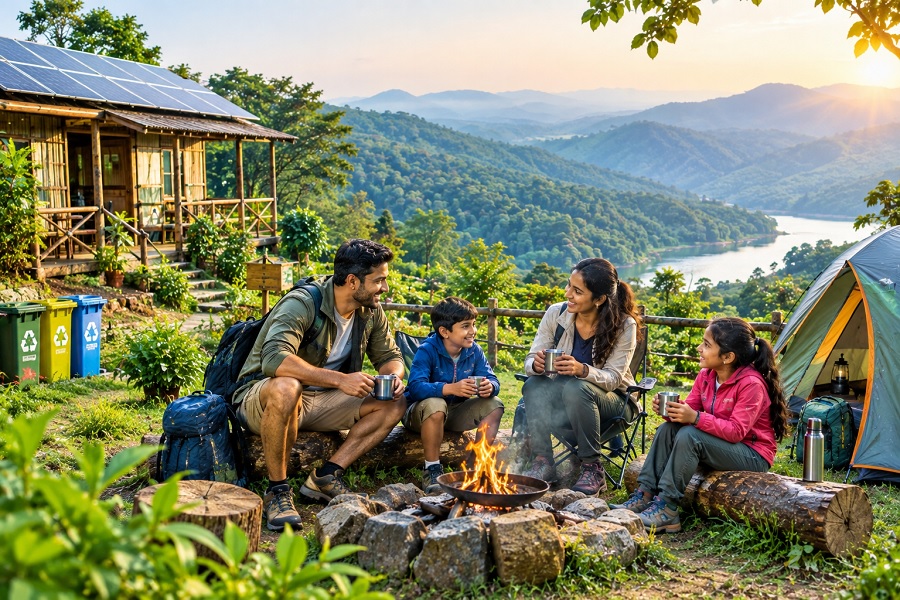
Eco-Friendly Accommodation
Accommodation plays an important role in sustainable forest tourism.
Eco-conscious resorts, forest lodges, camps and homestays can reduce their environmental impact through practices such as:
Solar energy
Rainwater harvesting
Waste segregation
Reduced plastic use
Water conservation
Locally sourced food
Energy-efficient lighting
Support for local employment
Travellers should look beyond marketing claims and choose accommodation providers that demonstrate genuine environmental practices.
Community-Based Forest Tourism
Local communities are an important part of sustainable ecotourism.
Forest-edge communities can participate in tourism through guiding, homestays, handicrafts, transportation, food services and cultural experiences.
When tourism income reaches local residents, it can create additional livelihood opportunities and strengthen incentives for protecting surrounding natural resources.
Sustainable Tourism Practices
Forests are sensitive ecosystems, so visitors should follow responsible tourism principles.
Travellers can help by:
Carrying reusable water bottles
Avoiding single-use plastics
Taking all waste back
Staying on marked trails
Keeping noise levels low
Never feeding wildlife
Avoiding unnecessary interaction with animals
Respecting local communities
Following forest department rules
Using authorised guides and operators
Small actions by visitors can make a meaningful difference when large numbers of people visit natural areas.
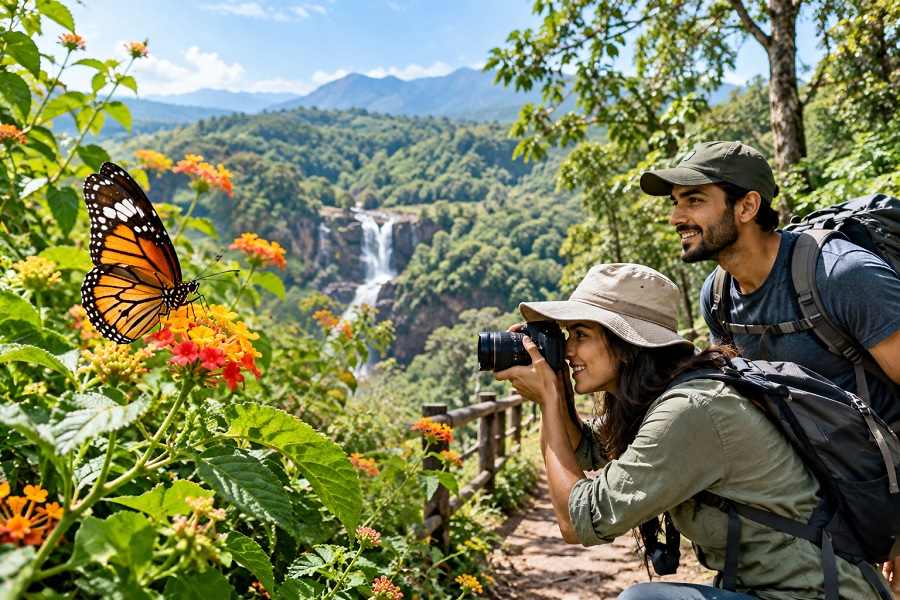
Photography and Forest Ecotourism
Karnataka's forests provide excellent opportunities for nature photography.
Travellers can photograph landscapes, birds, insects, trees, waterfalls and wildlife while maintaining appropriate distances.
Photography should never take priority over animal welfare or visitor safety. Flash photography, loud noises or attempts to attract animals for photographs should be avoided where prohibited or potentially harmful.
Best Time for Karnataka Forest Ecotourism
The ideal travel period depends on the destination and the type of experience desired.
The cooler and relatively drier months are generally comfortable for forest exploration, trekking and wildlife tourism. Monsoon periods can transform Karnataka's forests into lush green landscapes and create spectacular waterfalls, although heavy rainfall can affect road access and outdoor activities.
Travellers should check local weather and destination-specific access conditions before planning a trip.
Benefits of Karnataka Forest Ecotourism
Well-managed ecotourism can provide several benefits.
Environmental Benefits
Responsible tourism can increase awareness about biodiversity and encourage greater support for conservation.
Economic Benefits
Tourism can create employment for local guides, drivers, hospitality workers, artisans and other community members.
Educational Benefits
Visitors can learn about forests, wildlife, biodiversity and conservation through guided experiences.
Cultural Benefits
Community-based tourism can help introduce travellers to local traditions, food, crafts and lifestyles.
Challenges of Forest Ecotourism
Forest tourism must be carefully managed because excessive visitor numbers can create pressure on fragile ecosystems.
Potential challenges include:
Plastic and waste pollution
Traffic in wildlife areas
Noise disturbance
Water consumption
Habitat disturbance
Unregulated construction
Wildlife harassment
Overcrowding at popular attractions
Effective visitor management and responsible tourism practices are therefore essential.
Future of Karnataka Forest Ecotourism
The future of Karnataka Forest Ecotourism can focus on low-impact travel, conservation education, community participation and improved visitor management.
Emerging experiences may include:
Guided biodiversity walks
Wildlife conservation tours
Birdwatching trails
Eco-friendly forest stays
Nature photography tours
Community-led tourism
Forest education programmes
Sustainable trekking experiences
Digital nature interpretation
Responsible adventure tourism
Technology can also support conservation through digital visitor information, wildlife monitoring and better destination management.
Conclusion
Karnataka Forest Ecotourism provides an opportunity to discover the state's forests, wildlife and natural landscapes while supporting responsible travel. From Bandipur and Nagarahole to Dandeli, Bhadra and Kodagu, travellers can enjoy a wide variety of nature-based experiences.
The long-term success of forest tourism depends on protecting ecosystems, respecting wildlife, involving local communities and managing visitor activity responsibly.
For travellers who want more than conventional sightseeing, Karnataka's forests offer an opportunity to slow down, reconnect with nature and understand why protecting these landscapes matters for future generations.