Healthy Food Tourism Experiences for Wellness-Focused Travelers
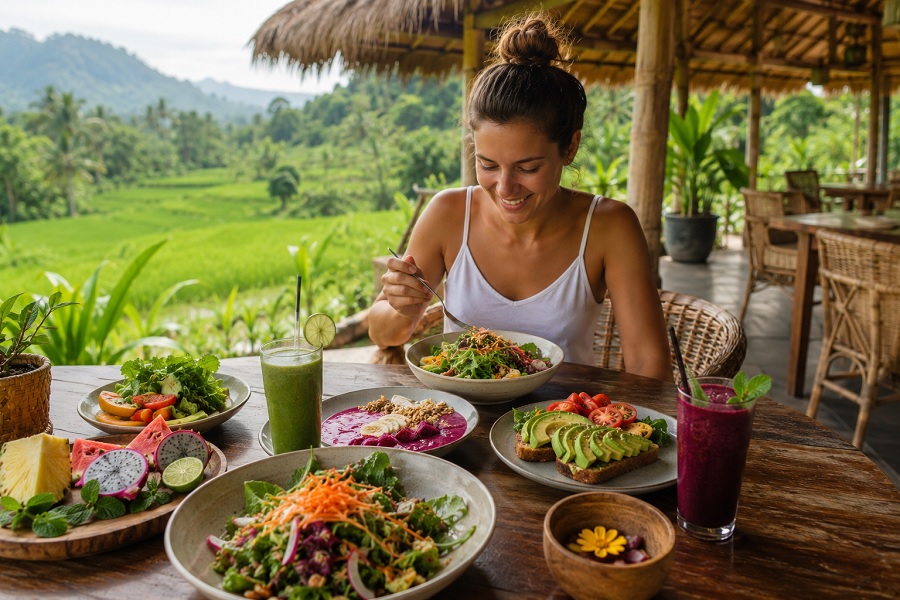
Healthy Food Tourism Experiences: Exploring Destinations Through Wellness and Local Cuisine
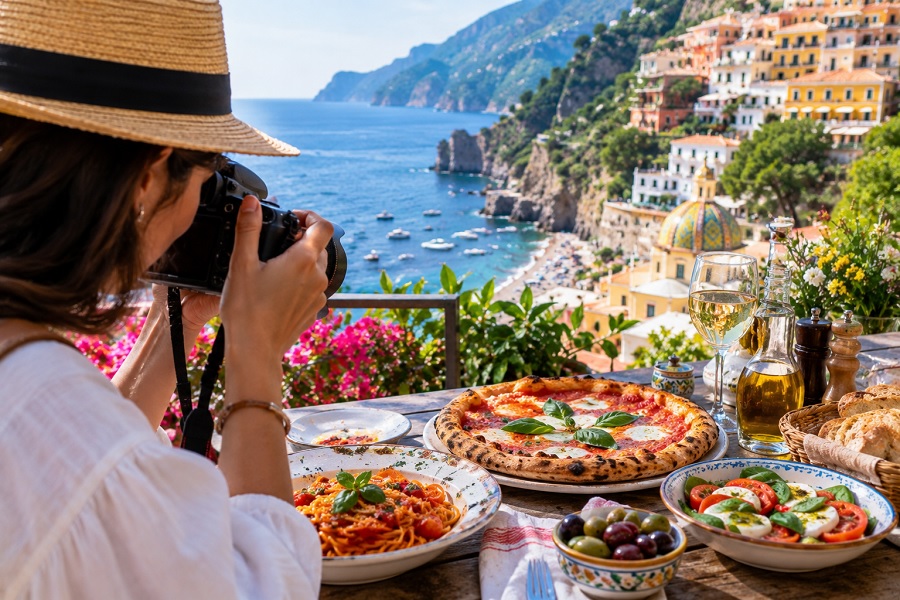
Healthy Food Tourism Experiences combine travel, nutrition, local culture, and culinary discovery. Instead of focusing only on traditional sightseeing, travelers can explore destinations through fresh local ingredients, nutritious regional dishes, farmers' markets, organic farms, cooking classes, wellness retreats, and traditional food practices.
As travelers become more interested in wellness and mindful eating, healthy food tourism is becoming an appealing part of modern culinary travel. It offers an opportunity to discover how local communities use seasonal ingredients and traditional cooking methods while enjoying memorable travel experiences.
What Is Healthy Food Tourism?
Healthy food tourism involves traveling to experience nutritious, fresh, and locally sourced foods. It can include everything from visiting organic farms and farmers' markets to taking healthy cooking classes and exploring traditional cuisines.
The experience does not necessarily mean following a strict diet. Instead, it focuses on understanding local food traditions, choosing fresh ingredients, enjoying balanced meals, and discovering healthier culinary practices.
Why Healthy Food Tourism Is Becoming Popular
Many travelers now want their holidays to support their overall well-being. They are looking for experiences that combine relaxation, physical activity, nature, and nutritious food.
Healthy food tourism can provide all of these elements in one trip. A traveler might begin the morning with fresh fruit and a traditional breakfast, visit a local farm, participate in a cooking workshop, and finish the day with a healthy regional dinner.
This makes food an important part of the overall travel experience rather than simply a necessity during a holiday.
Discovering Fresh Local Ingredients
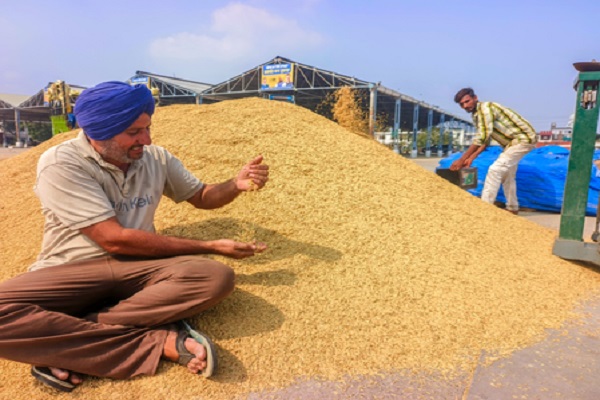
One of the biggest attractions of healthy food tourism is access to fresh local ingredients.
Depending on the destination, travelers may discover:
Fresh fruits and vegetables
Whole grains
Local herbs and spices
Traditional legumes
Nuts and seeds
Fresh dairy products
Locally produced oils
Seasonal foods
Fresh seafood
Traditional fermented foods
Visiting local markets can help travelers understand which ingredients are important to the region and how they are incorporated into everyday meals.
Farm-to-Table Healthy Food Experiences
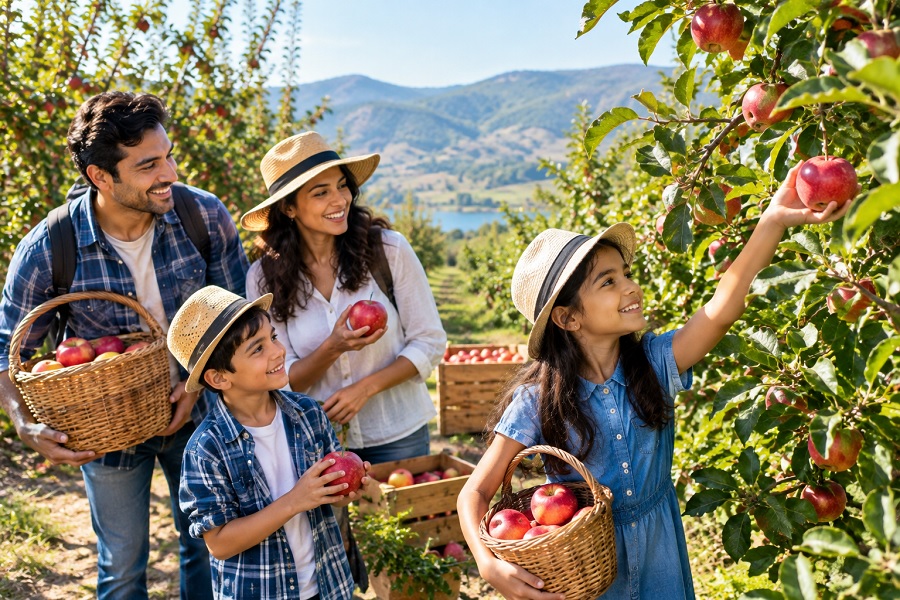
Farm-to-table tourism connects travelers directly with agricultural communities. Visitors can tour farms, learn about cultivation, collect seasonal produce, and enjoy meals prepared with locally grown ingredients.
Organic farms can also offer educational experiences for families and children. Visitors may learn about soil health, composting, seasonal farming, water conservation, and sustainable agriculture.
These experiences can create a stronger connection between food production and tourism.
Traditional Healthy Cuisines
Many destinations have traditional dishes based on vegetables, grains, legumes, herbs, fruits, and other locally available ingredients.
Travelers can explore these culinary traditions through cooking classes, food walks, local restaurants, home dining experiences, and village tours.
For example, Indian food tourism can introduce visitors to a wide variety of regional cuisines, including vegetarian dishes, millet-based foods, lentils, seasonal vegetables, fermented foods, fresh chutneys, and traditional beverages.
Healthy Cooking Classes
Cooking classes can turn a normal holiday into an interactive culinary experience.
Participants can learn how local ingredients are prepared and how traditional cooking methods work. Healthy cooking workshops may focus on steaming, grilling, baking, roasting, fermentation, or using fresh herbs and spices.
Families can also participate in cooking classes together, making them an enjoyable combination of education and entertainment.
Wellness Retreats and Healthy Cuisine
Wellness retreats increasingly incorporate food into their overall programs. Guests may enjoy nutritious meals alongside yoga, meditation, fitness activities, nature walks, spa treatments, and relaxation programs.
A wellness-focused food holiday can be particularly appealing to travelers who want to take a break from fast-paced routines and spend more time focusing on balanced eating and mindful travel.
Healthy Food Tourism in India
India offers diverse opportunities for healthy food tourism because of its regional culinary traditions and wide variety of ingredients.
Travelers can explore:
Millet-based regional dishes
Traditional vegetarian cuisine
Fresh fruit and vegetable markets
Ayurvedic food traditions
South Indian fermented foods
Himalayan herbal beverages
Traditional Gujarati vegetarian cuisine
Coastal seafood traditions
Organic farm experiences
Traditional spice markets
Different regions provide distinct culinary experiences, making India an attractive destination for food-focused travel.
Spice and Herbal Food Experiences
Spices and herbs are an important part of many regional cuisines. Culinary tours can introduce visitors to ingredients such as turmeric, cumin, coriander, ginger, cardamom, cinnamon, mint, basil, and other local herbs and spices.
Travelers can visit spice farms, learn about cultivation, participate in cooking demonstrations, and discover how these ingredients are traditionally used in regional dishes.
It is important, however, to distinguish culinary traditions from medical claims. A food or spice may be culturally valued without being a proven treatment for a health condition.
Healthy Beverage Tourism
Healthy food tourism can also include locally produced beverages.
Travelers may explore:
Fresh fruit juices
Coconut water
Herbal teas
Traditional non-alcoholic drinks
Fresh smoothies
Specialty teas
Specialty coffees
Traditional fermented beverages where appropriate
Seasonal fruit drinks
Beverage-focused experiences can include plantation visits, tasting sessions, preparation workshops, and visits to local producers.
Sustainable Healthy Food Tourism
Healthy food tourism can complement sustainable tourism when travelers support local producers and choose seasonal foods.
Responsible travelers can:
Buy directly from local farmers
Choose locally owned restaurants
Reduce food waste
Carry reusable bottles
Select seasonal ingredients
Support traditional food producers
Avoid unnecessary plastic packaging
Respect local agricultural communities
These choices can help keep tourism spending within local communities.
Healthy Food Markets
Local markets provide an excellent way to experience a destination's food culture.
Travelers can discover colorful produce, regional grains, spices, nuts, herbs, traditional snacks, and handmade products. Guided food-market tours can explain how local foods are selected, prepared, and consumed.
Markets also provide excellent opportunities to interact respectfully with local vendors and learn about regional food traditions.
Family Healthy Food Tourism
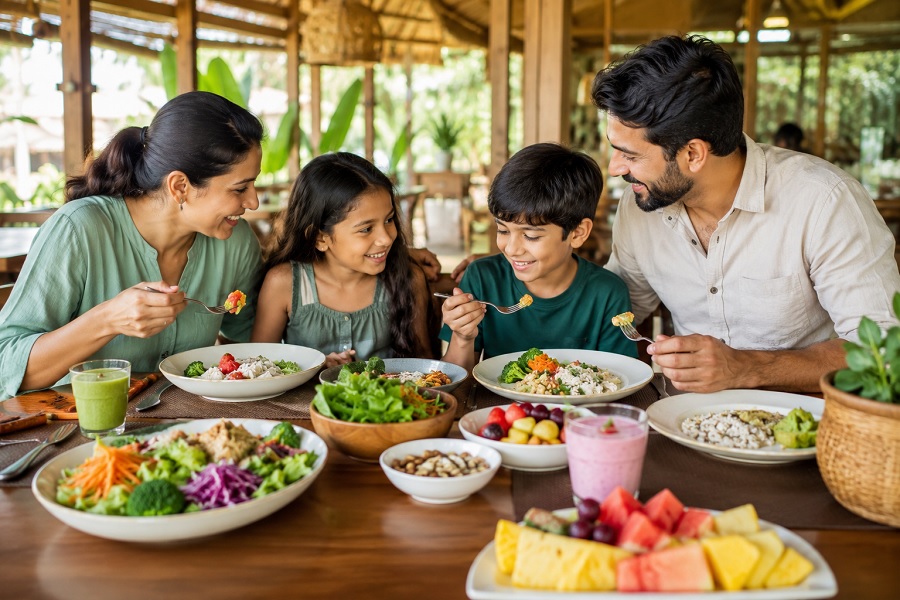
Healthy food tourism can be a valuable family travel experience. Parents can introduce children to new ingredients and encourage them to understand where food comes from.
Family activities can include farm visits, fruit picking, cooking classes, farmers' markets, and healthy dessert workshops.
These experiences can make nutrition and food culture more interesting without turning a vacation into a strict dietary program.
Tips for Planning a Healthy Food Tourism Trip
Before planning a healthy food-focused holiday, travelers should research local cuisine, seasonal food availability, accommodation options, restaurants, markets, and cooking experiences.
Travelers with allergies or dietary restrictions should communicate their requirements clearly to restaurants, hotels, cooking schools, and tour operators before booking.
Useful planning considerations include:
Research local food traditions.
Look for seasonal ingredients.
Choose reputable food experiences.
Visit local markets.
Consider farm-to-table activities.
Check menus before dining.
Communicate food allergies clearly.
Carry suitable snacks when traveling.
Stay hydrated.
Balance food experiences with physical activities.
The Future of Healthy Food Tourism
The future of healthy food tourism is likely to involve a stronger connection between culinary travel, wellness, sustainability, agriculture, and local culture.
Travelers are increasingly interested in experiences rather than simply consuming food. Farm visits, cooking workshops, traditional food tours, wellness retreats, local markets, and community-based culinary experiences can provide deeper connections with destinations.
Technology may also make it easier for travelers to discover healthy restaurants, local producers, nutrition-focused experiences, and sustainable food destinations.
Conclusion
Healthy Food Tourism Experiences provide a meaningful way to explore destinations through fresh ingredients, traditional cuisine, local agriculture, and culinary culture. From farm visits and farmers' markets to cooking classes and wellness retreats, travelers can enjoy food while learning more about the communities and environments they visit.
The best healthy food tourism experiences are not about restrictive eating. They are about discovering fresh local foods, appreciating culinary traditions, making informed choices, and enjoying meals as an important part of the travel experience.