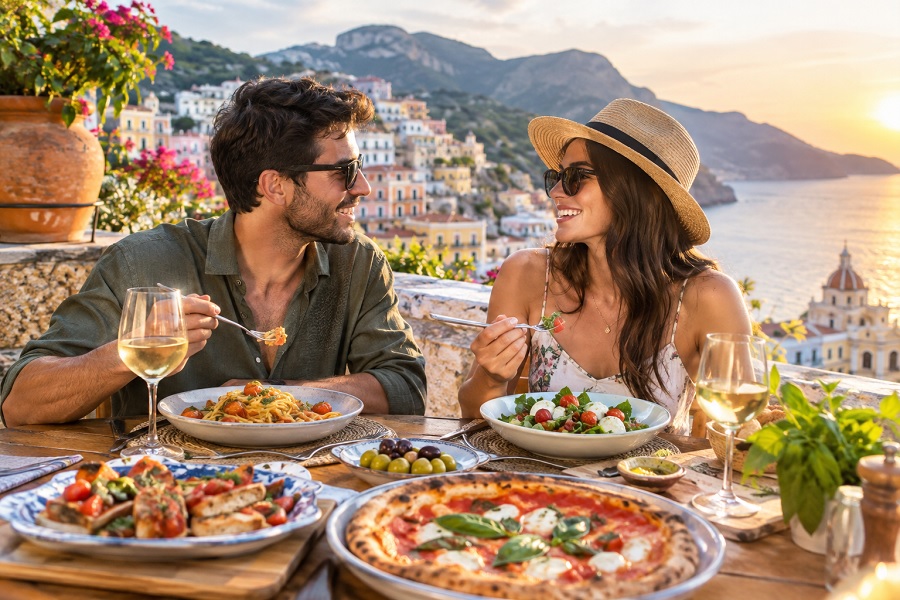
Healthy Food Tourism for Couples: Romantic Culinary Experiences for Wellness and Togetherness
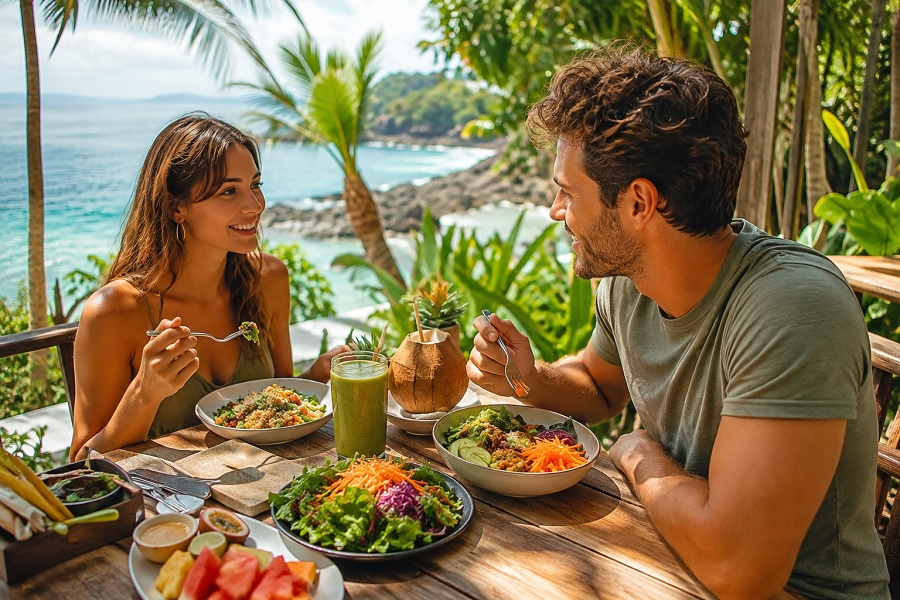
Healthy Food Tourism for Couples: A Delicious Way to Travel Together
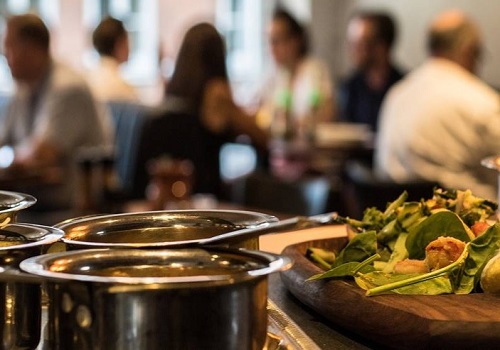
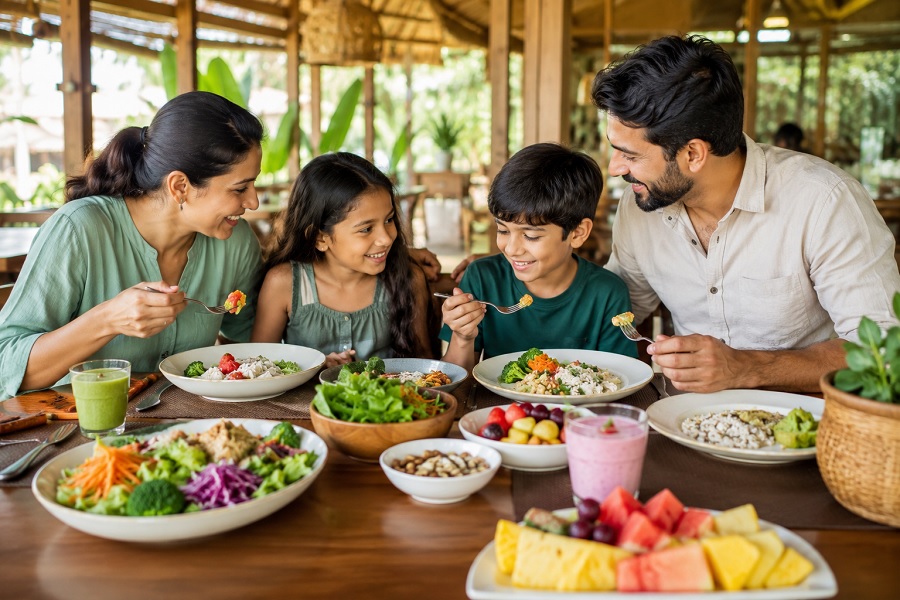
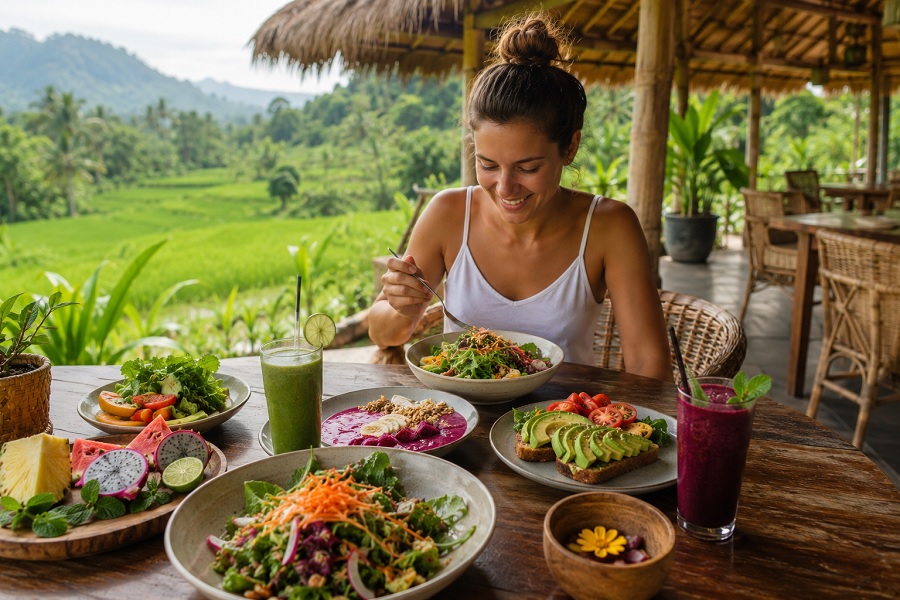
Healthy food tourism for couples is becoming an appealing way to combine romance, travel, wellness, and authentic local cuisine. Instead of focusing only on sightseeing, couples can explore destinations through fresh regional foods, farm visits, cooking experiences, wellness cafés, organic markets, traditional meals, and nutritious local specialties.
Recent tourism research highlights the growing connection between healthy food consumption, sustainability, local communities, and authentic culinary experiences. Food quality, hygiene, traditional cuisine, cultural connection, and ambience can all contribute significantly to a satisfying food-tourism experience.
What Is Healthy Food Tourism for Couples?
Healthy food tourism for couples involves travelling together while discovering nutritious, locally produced, and culturally meaningful food. It can include visiting farms, exploring farmers' markets, taking healthy cooking classes, enjoying traditional vegetarian meals, discovering regional fruits and vegetables, and staying at wellness-focused resorts.
The experience is not necessarily about following a strict diet while travelling. Instead, it is about making thoughtful food choices while enjoying the flavours and traditions of a destination.
Why Couples Are Choosing Healthy Food Experiences
Food can become an important part of a couple's travel experience because it encourages interaction and creates opportunities to discover a destination together.
Couples can:
Explore local food markets
Taste traditional regional dishes
Visit organic farms
Join cooking workshops
Enjoy healthy breakfasts
Discover plant-based cuisine
Try fresh seasonal produce
Experience local food festivals
Visit tea and coffee plantations
Enjoy wellness retreats with nutritious menus
Research on food tourism increasingly identifies food as an experiential part of destination identity, rather than simply a basic travel necessity.
Best Healthy Food Experiences for Couples
1. Farm-to-Table Dining
Farm-to-table restaurants allow couples to enjoy meals prepared with locally sourced ingredients. These experiences can provide a closer connection between the destination, its farmers, and its culinary traditions.
2. Organic Farm Visits
A visit to an organic farm can turn a normal holiday into an educational experience. Couples can learn about seasonal vegetables, fruits, herbs, sustainable farming, and local food production.
3. Healthy Cooking Classes
Cooking classes are particularly suitable for couples because they combine food, culture, and participation. Couples can learn how to prepare regional dishes and recreate them at home after their trip.
4. Local Farmers' Markets
Farmers' markets provide an opportunity to discover fresh fruits, vegetables, spices, grains, homemade products, and regional specialties. They can also help couples understand everyday food culture at the destination.
5. Traditional Healthy Cuisine
Many destinations have traditional dishes based on grains, vegetables, pulses, herbs, fermented foods, fruits, and locally available ingredients. Exploring these foods can offer both cultural and culinary discovery.
6. Wellness Resort Dining
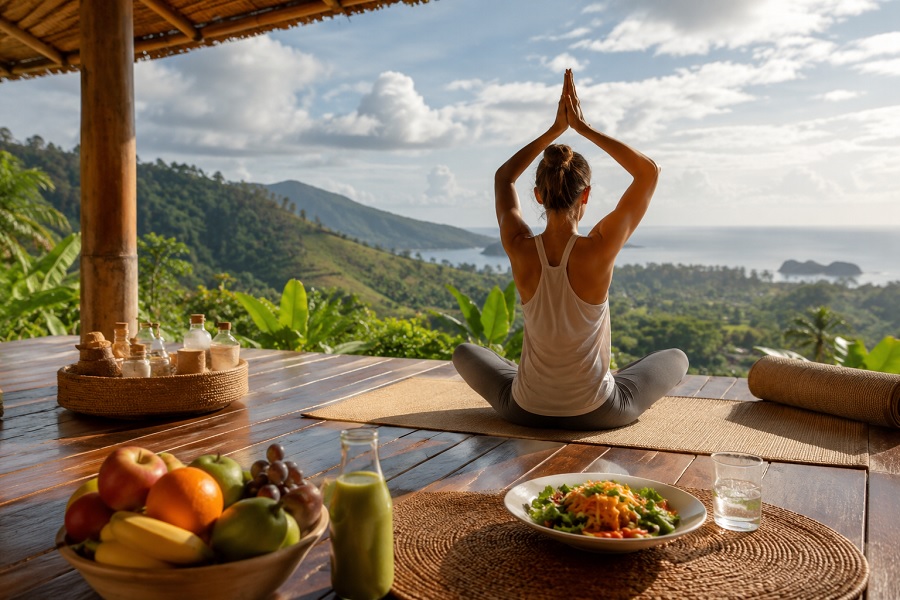
Wellness resorts increasingly combine accommodation with nutritious menus, yoga, spa experiences, meditation, and nature activities. This creates an integrated holiday focused on relaxation and well-being. Research published in 2026 also highlights the importance of combining wellness, local culture, community involvement, and sustainable destination development.
Healthy Food Tourism in India
India offers considerable potential for healthy food tourism because its regional cuisines use a wide variety of grains, pulses, vegetables, fruits, spices, herbs, and traditional cooking methods.
Couples can explore experiences such as:
Millet-based meals
Traditional vegetarian thalis
South Indian breakfast traditions
Kerala's local cuisine
Himalayan organic food
Rajasthani traditional dishes
Maharashtrian regional cuisine
Bengali seasonal foods
Gujarati vegetarian cuisine
Northeast Indian food traditions
Ayurvedic-inspired wellness meals
Fresh coconut-based dishes
Traditional fermented foods
Indian herbal beverages
India's tourism initiatives have also highlighted millets, indigenous ingredients, traditional cooking, plant-based proteins, and sustainable food practices as opportunities for food tourism.
Romantic Healthy Food Experiences
Healthy food tourism does not have to feel restrictive. Couples can make meals part of their romantic itinerary.
Some popular ideas include:
Sunrise breakfast overlooking the mountains
Private healthy picnic in nature
Beachside fruit breakfast
Farm lunch for two
Sunset dinner featuring local cuisine
Couple cooking classes
Organic vineyard experiences
Tea plantation visits
Fresh juice tasting tours
Romantic wellness retreat dinners
These activities allow couples to combine food discovery with memorable surroundings.
Sustainable Food Tourism for Couples
Healthy food tourism can also support responsible travel. Choosing locally produced food can help connect tourists with farmers, small businesses, food producers, and local communities.
A 2026 systematic review found that sustainable food tourism can connect certified local foods with destination development, authenticity, and economic, social, and environmental sustainability.
Couples can support responsible food tourism by choosing:
Locally owned restaurants
Seasonal ingredients
Regional food producers
Small farms
Community-run food experiences
Restaurants that reduce food waste
Eco-friendly accommodation
Reusable bottles and containers
Locally made food products
Kerala's Responsible Tourism programme, for example, brings together farm tourism, ethnic cuisine experiences, local communities, homestays, and other tourism businesses to create more community-connected travel experiences.
Tips for Planning a Healthy Food Trip
Before travelling, couples can research the destination's local cuisine and identify restaurants, markets, farms, and wellness properties that match their preferences.
Useful tips include:
Research local seasonal foods before travelling.
Choose reputable restaurants with good hygiene practices.
Try regional dishes instead of relying only on international menus.
Balance indulgent meals with lighter options.
Drink sufficient water during sightseeing.
Carry healthy snacks for long journeys.
Check ingredients if either traveller has food allergies.
Look for locally sourced food experiences.
Avoid unnecessary food waste.
Leave room in the itinerary for spontaneous local food discoveries.
Food safety and hygiene are particularly important in culinary tourism, with recent research identifying them among factors influencing tourist satisfaction.
The Future of Healthy Food Tourism for Couples
The future of couple-oriented food tourism is likely to move beyond restaurant visits toward more immersive experiences. Couples increasingly have opportunities to combine healthy eating with wellness, nature, culture, sustainability, and local community experiences.
Emerging experiences include farm stays, plant-based food tours, sustainable cooking workshops, wellness retreats, local food trails, healthy food festivals, and personalized culinary itineraries.
Research into sustainable healthy food consumption in tourism also emphasizes the importance of making healthy choices accessible, affordable, clearly communicated, and compatible with travellers' preferences.
Conclusion
Healthy Food Tourism for Couples offers a meaningful way to explore destinations while enjoying nutritious food, local culture, romance, and wellness. From farm visits and traditional cuisine to cooking classes and sustainable dining, couples can create travel experiences that are both enjoyable and memorable.
The biggest attraction is that food becomes part of the journey itself. Instead of simply eating during a holiday, couples can discover where ingredients come from, meet local producers, learn traditional recipes, and experience the culture behind every meal.
As wellness and sustainable tourism continue to evolve in 2026, healthy culinary experiences can become an important part of modern couple travel. The combination of good food, meaningful experiences, responsible choices, and quality time together makes this a promising direction for romantic tourism.