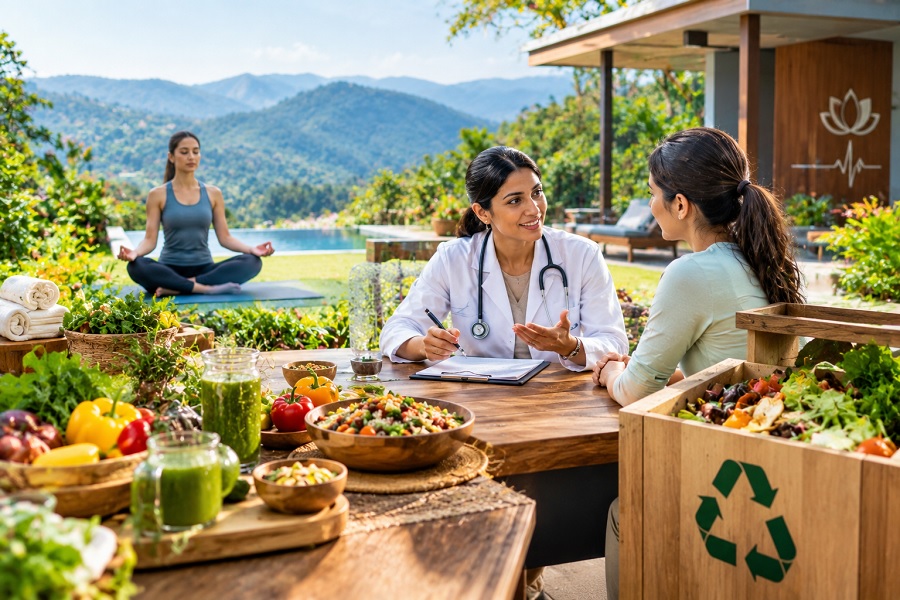
Healthy Food Tourism for Families: Nutritious Culinary Experiences for Every Generation
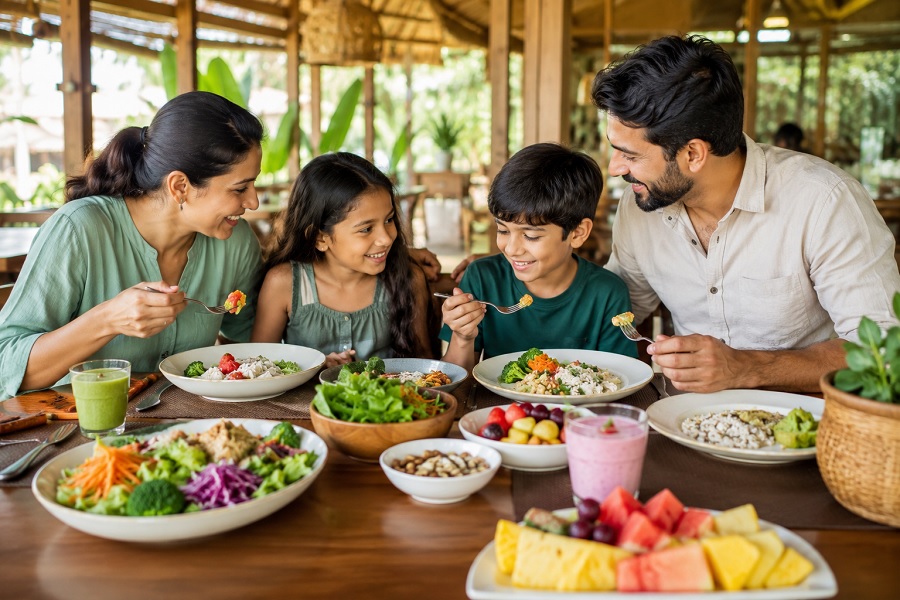
Healthy Food Tourism for Families: A Delicious Journey Toward Wellness
Healthy Food Tourism for Families combines travel, nutritious food, local culture, and quality family time. Instead of treating food as simply something to eat during a holiday, this form of tourism turns meals, markets, farms, cooking classes, and local culinary traditions into meaningful travel experiences.
The idea is especially relevant in 2026 as wellness tourism increasingly focuses on experiences that can support the well-being of different generations. Recent research on family-centric wellness travel highlights the importance of experiences that meet both parents' wellness needs and children's needs for learning, health, and entertainment.
What Is Healthy Food Tourism for Families?
Healthy Food Tourism for Families involves traveling to destinations where families can discover nutritious, fresh, locally produced, and culturally meaningful foods.
It can include:
Visiting farmers' markets
Exploring organic farms
Joining family cooking classes
Trying regional vegetarian cuisine
Discovering traditional healthy recipes
Visiting fruit and vegetable farms
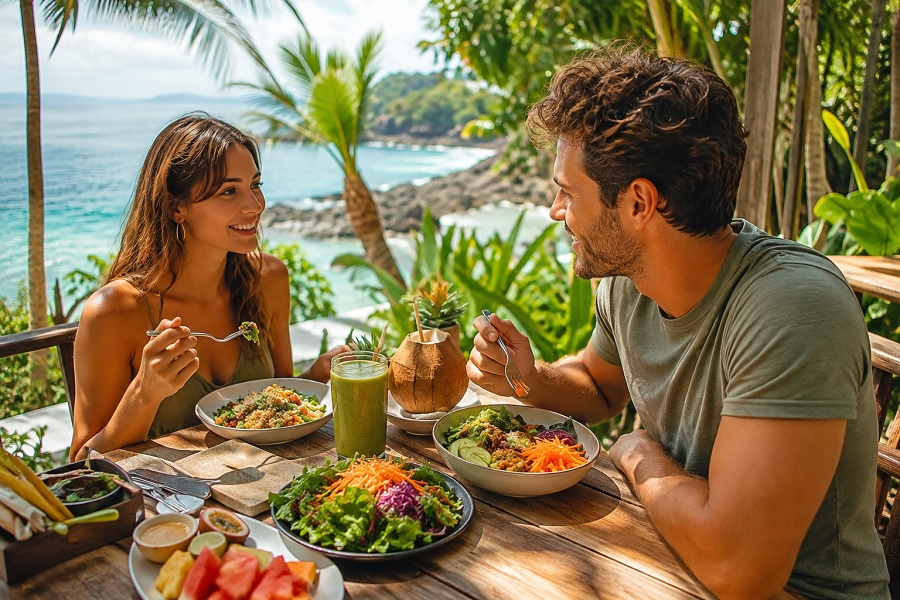
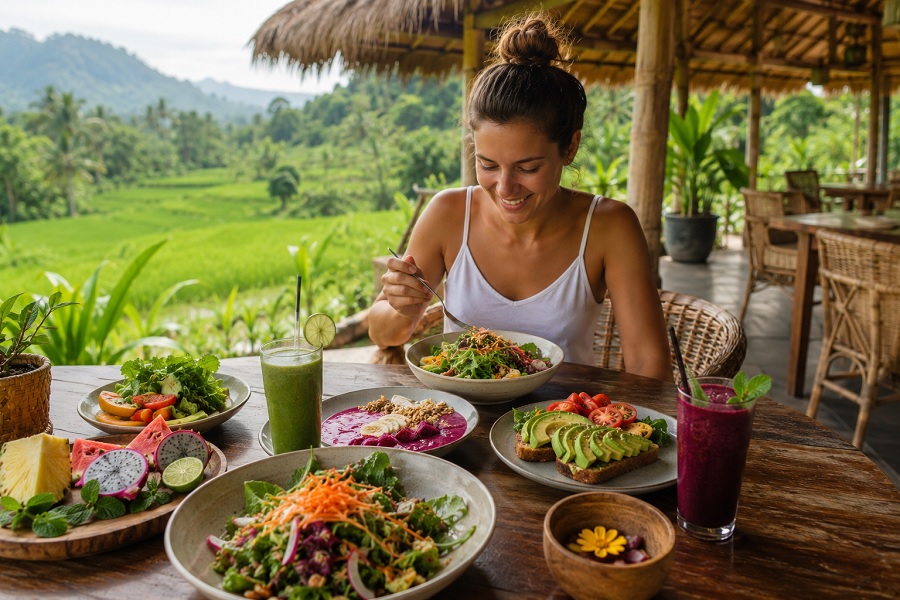
Enjoying farm-to-table meals
Exploring local food festivals
Learning about traditional grains and spices
Staying at wellness resorts offering healthy menus
The experience can be both educational and enjoyable for children while giving parents opportunities to make healthier food choices during their holidays.
Why Healthy Food Tourism Is Becoming Popular
Food is increasingly recognized as an important part of the overall travel experience. Recent research has linked local food consumption with economic, cultural, and environmental benefits for destinations.
At the same time, research published in 2026 on wellness tourism emphasizes products that combine health, nature, culture, education, and community participation.
This creates an opportunity for families to enjoy holidays that combine recreation with healthier lifestyles.
1. Farm-to-Table Family Experiences
Farm-to-table tourism allows families to understand where their food comes from.
A family might visit a farm, learn about seasonal crops, pick fruits or vegetables, and then enjoy a meal prepared using local ingredients.
Children can learn about:
Farming
Seasonal produce
Food preparation
Soil and agriculture
Sustainable food systems
Local traditions
These experiences make food education more practical and memorable.
2. Organic Farm Tourism
Organic farms can provide families with an opportunity to explore agriculture while discovering fresh ingredients.
Families can participate in activities such as vegetable harvesting, fruit picking, farm walks, gardening, and traditional food preparation.
Agro-tourism is also increasingly being studied as a way to connect tourism with rural livelihoods, local enterprises, and environmental sustainability.
3. Healthy Local Cuisine
Travelers do not necessarily need to abandon local cuisine to eat healthily while traveling.
Instead, families can explore traditional dishes based on vegetables, grains, legumes, fruits, herbs, spices, and other locally available ingredients.
Local food can also provide a stronger connection with the destination's cultural identity.
4. Traditional Healthy Food Experiences
Many destinations have traditional recipes that use locally available ingredients and cooking techniques developed over generations.
Families can explore these traditions through:
Cooking demonstrations
Heritage restaurants
Local homes
Food museums
Village experiences
Culinary workshops
Such experiences combine food discovery with cultural tourism.
5. Healthy Food Cooking Classes
Family cooking classes can turn a meal into an interactive activity.
Parents and children can learn how to prepare:
Regional vegetable dishes
Healthy snacks
Traditional breads
Fresh salads
Fruit-based desserts
Local breakfast dishes
Herbal beverages
Cooking together can also encourage children to become more interested in different ingredients.
6. Fruit-Picking Experiences
Fruit farms offer an enjoyable outdoor activity for families.
Depending on the season and destination, visitors may be able to pick strawberries, apples, mangoes, oranges, grapes, berries, or other local fruits.
Families can combine fruit picking with farm tours, fresh juices, traditional meals, and local product shopping.
7. Healthy Food Markets
Local farmers' markets and food markets can become exciting family attractions.
Parents can introduce children to unfamiliar fruits, vegetables, grains, spices, nuts, and regional foods.
A market visit can also help families understand how local food is produced, sold, and consumed.
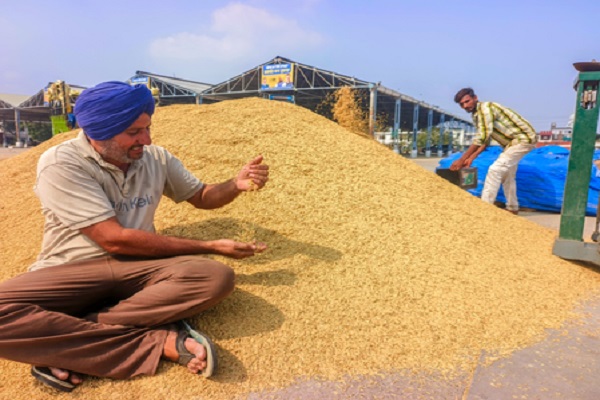
8. Millet-Based Food Tourism
Millets are increasingly included in conversations about sustainable and nutritious food systems. India's Ministry of Tourism's Travel for LiFE guidance encourages travelers to prefer locally available and seasonal foods and include sustainable foods such as millets.
Families can discover regional millet dishes, snacks, breads, breakfasts, and desserts while traveling.
9. Healthy Breakfast Tourism
Breakfast can be an important part of a family food itinerary.
Travelers can explore regional breakfast traditions such as:
Idli
Dosa
Poha
Upma
Millet dishes
Fresh fruit
Traditional breads
Vegetable preparations
Trying local breakfast foods can be a simple way to discover a destination's culinary culture.
10. Healthy Beverage Experiences
Families can explore non-alcoholic regional beverages such as:
Fresh fruit juices
Coconut water
Traditional buttermilk
Herbal drinks
Fresh smoothies
Traditional teas
Fruit-based beverages
Parents should check ingredients and added sugar levels when choosing drinks for children.
11. Food Festivals for Families
Food festivals can provide families with an opportunity to sample different regional dishes in one location.
Children can learn about ingredients, cooking techniques, food traditions, and cultural celebrations.
Families should look for events that provide hygienic food preparation and suitable options for children.
12. Healthy Food Tourism for Children
Children can be active participants rather than passive travelers.
Parents can encourage them to:
Choose one new fruit to try
Identify local vegetables
Learn the names of spices
Participate in cooking activities
Visit a farm
Help prepare a simple meal
Photograph interesting foods
Keep a travel food journal
This turns food tourism into an educational experience.
13. Healthy Food Tourism for Parents
Parents can use family vacations to discover healthier approaches to eating without making the holiday restrictive.
They can look for restaurants and accommodation offering:
Fresh vegetables
Whole grains
Fresh fruits
Vegetarian meals
Balanced menus
Local ingredients
Nutritious breakfast choices
Appropriate children's portions
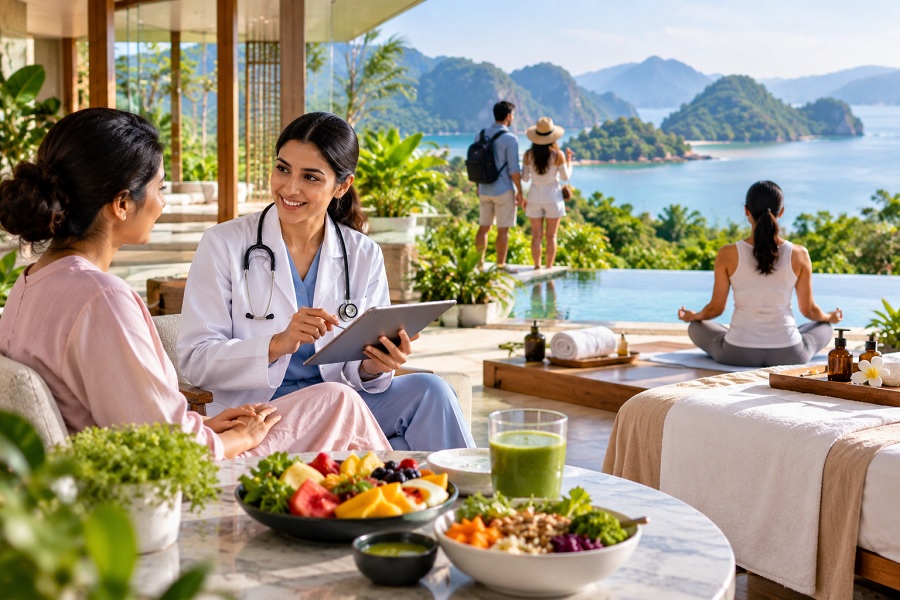
14. Family Wellness Resorts
Wellness resorts can combine healthy food with other activities such as yoga, nature walks, swimming, meditation, fitness, and relaxation.
Research on family-centric wellness travel suggests that successful family wellness destinations need to balance parents' desire for relaxation with children's needs for exploration, learning, and entertainment.
15. Healthy Food and Cultural Tourism
Food can provide a direct connection to local culture.
A family visiting a destination can learn about:
Traditional ingredients
Regional cooking techniques
Festival foods
Local farming
Food-related customs
Traditional recipes
Community dining
This makes a healthy food holiday more than simply a search for nutritious meals.
16. Sustainable Healthy Food Tourism
Healthy food tourism can also support sustainable travel.
Families can choose:
Locally produced foods
Seasonal ingredients
Small local restaurants
Farmers' markets
Community-owned food businesses
Organic farms
Low-waste food experiences
Research into sustainable healthy food consumption in tourism recommends stronger destination-level approaches, including healthier menus, better information for travelers, and sustainable food practices.
17. Family Food Trails
A family food trail can connect several culinary experiences during one trip.
For example, a one-day itinerary might include:
Morning: Local breakfast
Late morning: Farmers' market
Afternoon: Farm visit
Evening: Family cooking class
Dinner: Traditional regional meal
Dessert: Fresh fruit or traditional sweet
This creates a complete culinary journey rather than a series of unrelated restaurant visits.
18. Healthy Food Tourism in India
India offers enormous potential for family-focused healthy food tourism because every region has distinctive ingredients and culinary traditions.
Families can explore:
Kerala's traditional cuisine
Gujarati vegetarian food
Maharashtrian regional dishes
South Indian breakfast traditions
Himalayan foods
Rajasthani cuisine
Northeast Indian food
Bengali cuisine
Traditional millet dishes
Indian farm-to-table experiences
Each destination can offer a different combination of food, culture, agriculture, and tourism.
19. Tips for Families Planning a Healthy Food Holiday
Before traveling, families should:
Research local food specialties.
Check restaurant hygiene standards.
Look for fresh and seasonal ingredients.
Include children when planning meals.
Carry healthy snacks for journeys.
Stay hydrated.
Check food labels and ingredients when necessary.
Be aware of food allergies.
Try local foods in reasonable portions.
Avoid unnecessary food waste.
Choose reputable food experiences.
Balance restaurant meals with fresh local foods.
20. The Future of Healthy Food Tourism for Families
The future of family food tourism is likely to combine culinary discovery with wellness, education, sustainability, and community experiences.
Food tourism research in 2026 continues to examine the health dimension of local food experiences alongside food quality, authenticity, cultural connection, and destination satisfaction.
This suggests that healthy food tourism can become an important part of broader family wellness travel, particularly when destinations provide experiences that appeal to both adults and children.
Conclusion
Healthy Food Tourism for Families offers a refreshing way to combine travel, nutrition, culture, education, and family bonding. From organic farms and farmers' markets to traditional cooking classes, healthy regional cuisine, fruit-picking experiences, and wellness resorts, families can discover food in a completely different way.
The best family food journeys are not about strict diets. They are about discovering fresh ingredients, understanding local traditions, making thoughtful choices, and enjoying meals together.
As wellness and sustainable tourism continue to develop in 2026, healthy food experiences can become an increasingly valuable part of memorable family holidays.