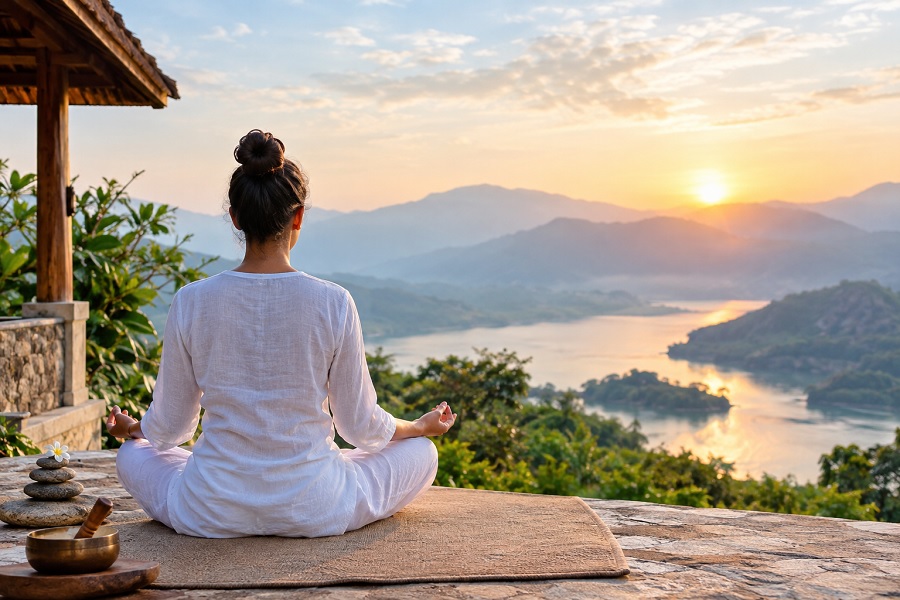
Active Wellness Holidays: Fitness Coaching, Nature Activities and Healthy Lifestyle Experiences
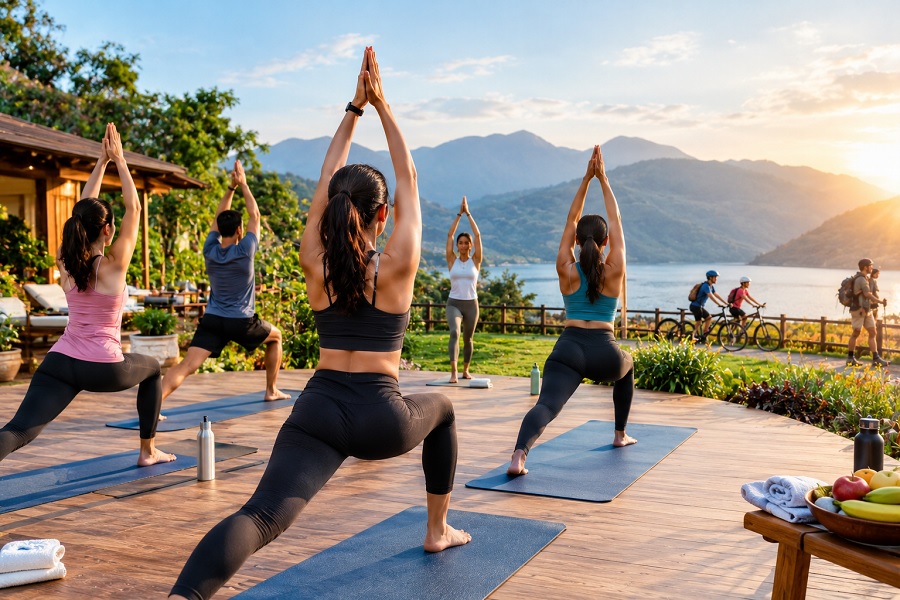
Fitness Tourism: Fitness Retreats, Outdoor Activities and Lifestyle Coaching
Introduction
Fitness tourism is an emerging segment of health and wellness tourism that combines travel with physical activity, healthy lifestyle habits, and personal well-being. Instead of focusing only on sightseeing and relaxation, fitness travelers choose destinations that help them stay active, explore nature, improve their fitness routines, and develop healthier daily habits.
From mountain trekking and cycling holidays to yoga retreats, fitness resorts, swimming programs, and personalized lifestyle coaching, fitness tourism offers experiences for people with different interests and fitness levels. These trips can take place in scenic mountain destinations, coastal resorts, countryside retreats, and specialized wellness centers.
As travelers increasingly look for meaningful experiences that support physical activity and overall well-being, fitness tourism is becoming an attractive option for individuals, couples, families, and groups of friends.
What Is Fitness Tourism?
Fitness tourism refers to travel planned around exercise, sports, outdoor adventures, and healthy lifestyle activities. It includes holidays designed to help visitors remain physically active while experiencing new destinations.
Fitness tourism can involve structured exercise programs at dedicated retreats, guided outdoor activities, recreational sports, or personalized coaching sessions. Some travelers join short fitness camps, while others choose longer wellness holidays that combine exercise, balanced meals, recovery sessions, and lifestyle education.
The main goal is to make physical activity an enjoyable part of the travel experience while encouraging habits that travelers can continue after returning home.
Popular Types of Fitness Tourism
1. Fitness Retreats
Fitness retreats offer organized programs that combine workouts, healthy meals, relaxation, and wellness activities. Depending on the facility, guests may participate in strength training, cardio sessions, group exercise classes, stretching, and mobility exercises.
These retreats are suitable for travelers who prefer a planned fitness schedule in a supportive environment. Programs vary in intensity, so visitors should choose one that matches their current abilities and personal goals.
2. Outdoor Adventure Fitness
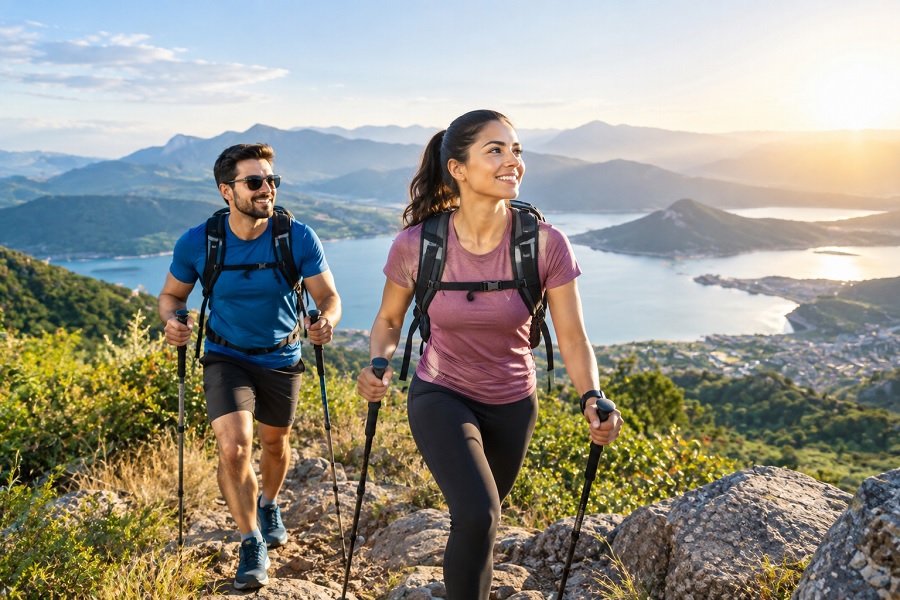
Outdoor fitness tourism combines physical activity with opportunities to explore natural landscapes. Popular activities include hiking, trekking, cycling, kayaking, swimming, and guided nature walks.
Mountain trails, coastal routes, forests, and countryside landscapes provide appealing settings for active holidays. Travelers can enjoy the destination while incorporating movement into their daily itinerary.
3. Lifestyle Coaching Holidays
Lifestyle coaching is an important part of some fitness tourism programs. Participants may receive guidance on exercise routines, sleep habits, stress management, meal planning, and setting realistic wellness goals.
Qualified coaches can help travelers develop practical routines that fit their schedules and abilities. The most useful programs focus on sustainable habits rather than promising immediate or dramatic physical changes.
4. Yoga and Mobility Retreats
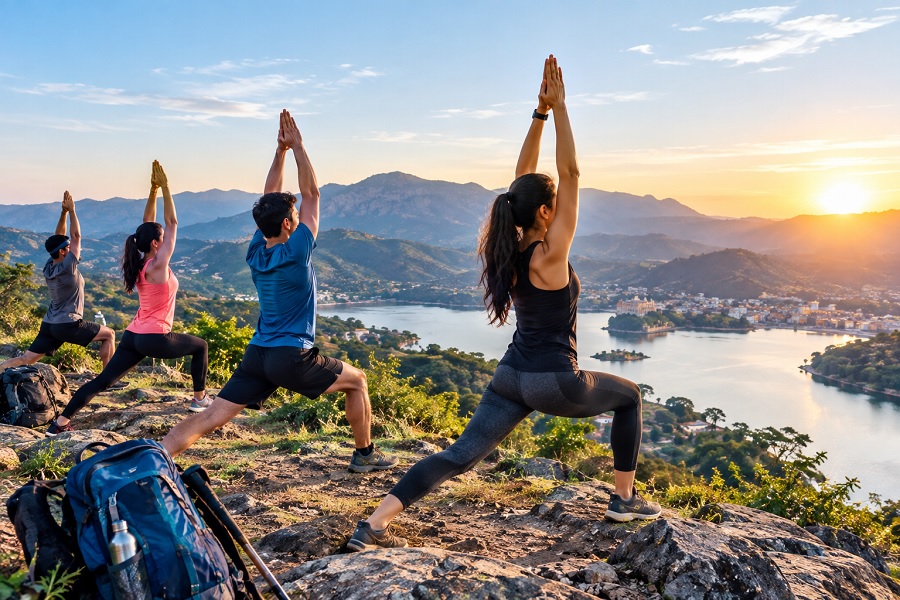
Yoga and mobility retreats combine physical movement with flexibility, balance, breathing exercises, and relaxation. These experiences may appeal to travelers who want a less intensive approach to staying active.
Programs can be held in peaceful natural settings, wellness resorts, or dedicated yoga centers. Activities should be adapted to individual experience and physical ability.
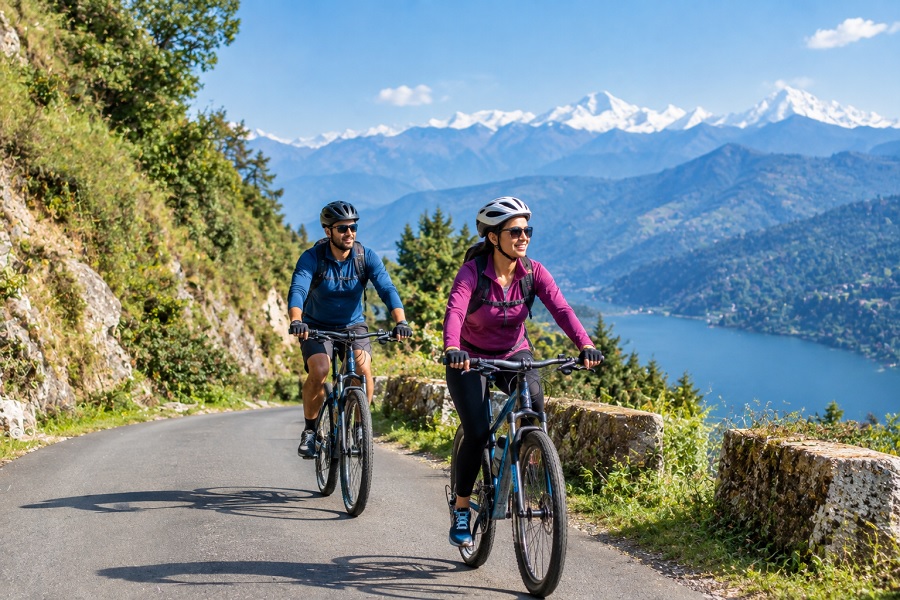
5. Cycling and Walking Holidays
Cycling and walking holidays allow travelers to discover cities, countryside routes, coastal paths, and scenic mountain regions at a comfortable pace.
Guided cycling tours may include bike rentals, route planning, and support services. Walking holidays can combine cultural attractions, nature trails, and local food experiences while helping visitors remain active.
Best Destinations for Fitness Tourism in India
Rishikesh, Uttarakhand
Rishikesh is widely associated with yoga, meditation, and outdoor adventure activities. Visitors can combine yoga sessions with guided walks, nature experiences, and selected outdoor sports offered by local operators.
Manali, Himachal Pradesh
Manali offers mountain scenery and access to outdoor activities such as trekking, hiking, and cycling on suitable routes. Travelers should consider altitude, weather, trail conditions, and their fitness level when planning activities.
Goa
Goa provides opportunities for beach walks, swimming in designated safe areas, cycling, yoga sessions, and outdoor fitness classes. Coastal wellness retreats can combine exercise with relaxation and local cultural experiences.
Kerala
Kerala is known for its natural landscapes and wellness tourism offerings. Visitors can combine walking, gentle outdoor exercise, yoga, and relaxation experiences in selected destinations across the state.
Bengaluru, Karnataka
Bengaluru offers access to fitness studios, cycling communities, organized running events, and nearby outdoor destinations. It can be a practical choice for travelers interested in structured workouts alongside urban experiences.
Jaipur, Rajasthan
Jaipur combines heritage tourism with opportunities for walking tours, fitness facilities, cycling experiences, and outdoor activities in suitable locations. Travelers can explore historical attractions while maintaining an active holiday routine.
International Destinations for Fitness Tourism
Switzerland
Switzerland attracts active travelers with mountain hiking, cycling routes, walking trails, and winter sports. Its scenic landscapes provide a setting for outdoor fitness experiences across different seasons.
Bali, Indonesia
Bali offers yoga retreats, fitness resorts, surfing lessons, nature walks, and wellness programs. Travelers can combine structured activities with cultural experiences and time in nature.
Thailand
Thailand provides fitness camps, martial arts training, beach activities, cycling tours, and wellness retreats. Some destinations are particularly popular with visitors interested in structured exercise programs.
New Zealand
New Zealand offers extensive opportunities for hiking, cycling, kayaking, and other outdoor adventures. Its natural landscapes make it attractive to travelers seeking active holidays.
Benefits of Fitness Tourism
Fitness tourism can provide several practical benefits when activities are planned according to individual needs.
Encourages physical activity: Scheduled workouts and outdoor adventures can help travelers move more during their holidays.
Supports healthy routines: Some retreats provide opportunities to practise regular exercise, balanced eating, and consistent sleep habits.
Promotes relaxation: Walking in nature, gentle movement, and recreational activities can provide a break from everyday routines.
Creates social connections: Group classes and guided adventures help travelers meet people with similar interests.
Builds confidence: Completing an achievable hike, learning a new activity, or following a fitness schedule can be rewarding.
Introduces new experiences: Visitors can discover sports, exercise styles, and outdoor environments they may not experience at home.
Encourages long-term habits: Lifestyle coaching can help participants develop realistic routines to continue after their trip.
Fitness tourism is not a substitute for individualized medical care. Travelers with health concerns or limitations should seek appropriate professional guidance before starting demanding activities.
Fitness Retreats and Lifestyle Coaching Packages
Fitness tourism providers may offer different package types based on the traveler's preferences.
Beginner fitness packages: These may include low-impact exercise, walking, stretching, introductory fitness sessions, and basic lifestyle guidance.
Adventure fitness packages: These focus on outdoor activities such as trekking, cycling, kayaking, or guided hikes, with routes selected according to experience and conditions.
Premium fitness retreats: These may combine personal training, fitness assessments, healthy meals, recovery facilities, and wellness activities.
Family fitness holidays: These can include family walks, cycling, swimming, outdoor games, and activities suitable for different age groups.
Corporate fitness retreats: These programs may combine group exercise, team-building activities, stress-management workshops, and lifestyle education.
Package inclusions differ between providers. Travelers should check whether accommodation, meals, coaching, equipment, transfers, and activity fees are included before booking.
The Role of Nutrition in Fitness Tourism
Nutrition is an important part of many fitness retreats. Some destinations offer balanced meals, cooking workshops, nutrition education, and menus designed to support active travelers.
Visitors may discover regional ingredients, fresh fruits and vegetables, whole grains, and local food traditions. Rather than following restrictive diets, travelers can focus on balanced meals that provide sufficient energy for their planned activities.
People with specific dietary requirements should inform the provider in advance and confirm that suitable meals are available.
Tips for Planning a Fitness Tourism Holiday
Define your goals: Decide whether you want outdoor adventure, structured workouts, relaxation, or lifestyle education.
Choose a suitable destination: Consider the climate, terrain, travel time, facilities, and activities available.
Assess the program intensity: Select activities that match your current fitness and experience.
Research instructors and providers: Check qualifications, safety procedures, participant reviews, and emergency arrangements.
Prepare in advance: Build up your activity level gradually before a demanding trekking or cycling holiday.
Pack appropriate equipment: Bring suitable footwear, comfortable clothing, sun protection, and any essential personal items.
Allow time for recovery: Include rest periods, adequate sleep, and flexibility in your itinerary.
Check the total cost: Review accommodation, meals, equipment rental, coaching fees, transport, and optional activities.
Plan for changing weather: Confirm local conditions and keep alternative activities available.
Continue healthy habits at home: Use the routines and practical advice learned during the trip to support long-term consistency.
The Future of Fitness Tourism
The future of fitness tourism is likely to include more personalized experiences, technology-supported coaching, outdoor recreation, and wellness programs tailored to different age groups and fitness levels.
Digital fitness platforms and wearable devices can help some travelers monitor activity, while qualified coaches may use individual goals to structure exercise sessions. There is also scope for greater interest in sustainable travel, locally guided outdoor activities, and fitness experiences that connect visitors with regional culture.
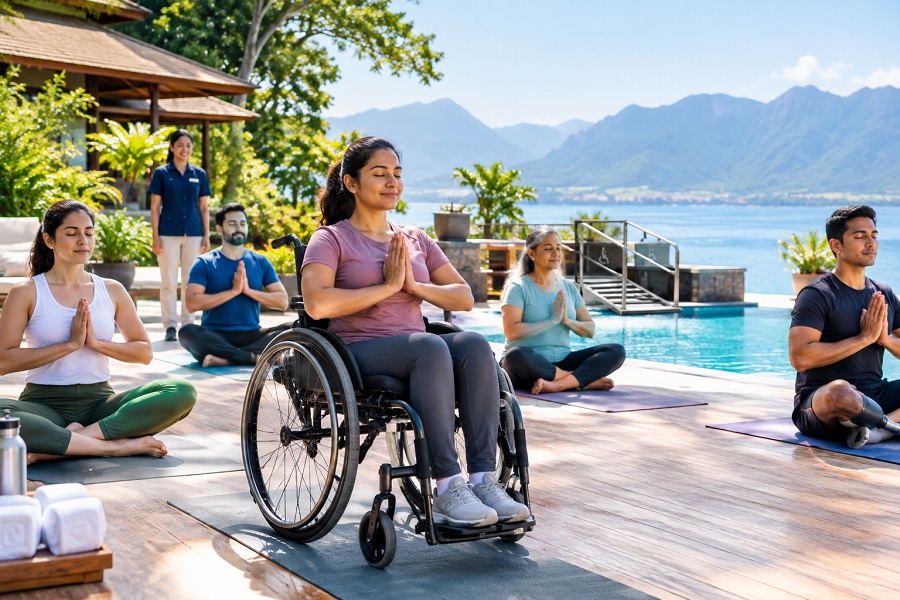
Fitness tourism providers can respond to these interests by offering inclusive programs, responsible outdoor recreation, clear safety standards, and flexible packages. Accessible facilities and appropriately adapted activities can also help more travelers participate.
Conclusion
Fitness tourism combines travel, physical activity, outdoor adventure, and lifestyle coaching to create a more active holiday experience. From the mountain trails of Manali and the yoga retreats of Rishikesh to the beaches of Goa and international destinations such as Bali and Switzerland, travelers have many options for incorporating movement into their journeys.
By choosing suitable activities, researching reliable providers, and setting realistic goals, visitors can enjoy new destinations while developing practical wellness habits. Fitness tourism offers an opportunity to make travel more active, engaging, and supportive of a balanced lifestyle.