Active Wellness Holidays: Exploring Fitness, Nutrition and Healthy Lifestyle Programmes
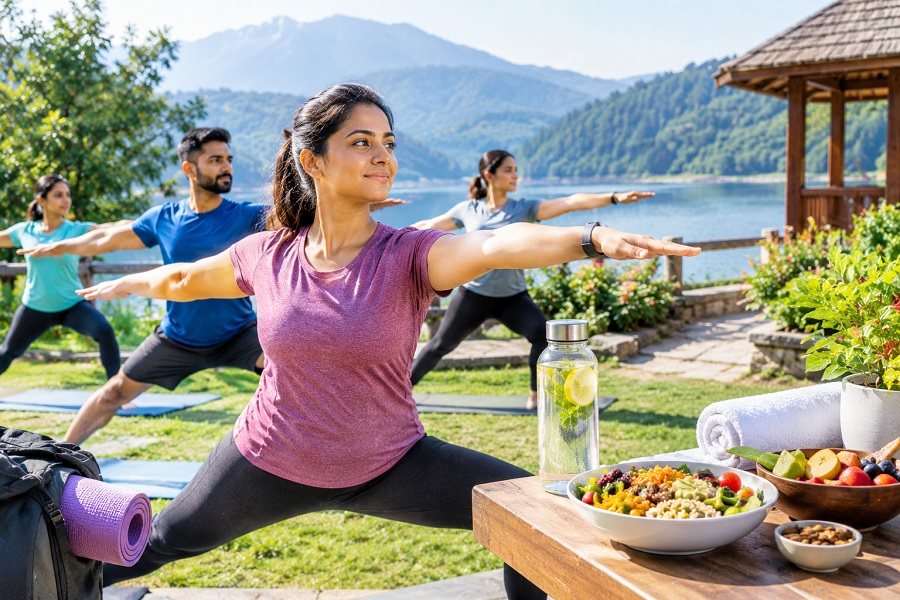
Weight Management Wellness Tourism: Active Holidays and Healthy Lifestyle Programmes
Introduction
Weight Management Wellness Tourism is an emerging travel trend that combines holidays, physical activities, healthy eating, relaxation, and wellness experiences. Instead of focusing only on sightseeing, travellers choose destinations that encourage healthier daily habits through outdoor adventures, fitness sessions, nutritious meals, yoga, and personalised wellness programmes.
In 2026, many travellers are looking for meaningful holidays that allow them to take a break from busy routines while prioritising their overall well-being. Wellness resorts, nature retreats, mountain destinations, and fitness-focused holidays provide opportunities to stay active, enjoy new surroundings, and develop healthier lifestyle habits.
Weight management wellness tourism is not simply about losing weight during a holiday. It focuses on creating a balanced approach to physical activity, nutrition, sleep, stress management, and long-term well-being. When programmes are appropriately designed, travellers can return home feeling refreshed and better equipped to maintain healthy routines.
What Is Weight Management Wellness Tourism?
Weight Management Wellness Tourism refers to travel experiences that combine wellness activities with education and support for healthier lifestyle habits. These experiences may include guided walks, hiking, swimming, yoga, fitness classes, balanced meals, cooking workshops, relaxation sessions, and wellness consultations.
Some resorts offer structured programmes supervised by qualified fitness professionals and registered dietitians. Other destinations provide flexible experiences that allow visitors to incorporate healthy activities into a traditional holiday.
The main objective is to help travellers develop sustainable habits while enjoying a relaxing and engaging travel experience.
Importance of Weight Management Wellness Holidays
Wellness-focused holidays can help travellers step away from everyday routines and explore healthier ways of living.
1. Encouraging Physical Activity
Walking trails, cycling routes, swimming facilities, guided hikes, and group fitness sessions make it easier for visitors to include movement in their daily schedules.
2. Supporting Balanced Nutrition
Wellness destinations may offer balanced meals, fresh local produce, portion-awareness education, and cooking demonstrations. These experiences can help travellers understand how food choices contribute to overall health.
3. Promoting Stress Management
Stress can influence sleep, appetite, and daily routines. Relaxation activities such as meditation, yoga, breathing exercises, and time in nature can support emotional well-being.
4. Improving Sleep Habits
A calmer environment, regular activity, and a consistent daily schedule may help travellers develop better sleep routines during their stay.
5. Building Healthy Lifestyle Habits
Wellness programmes can introduce practical habits that visitors can continue after returning home, such as daily walking, meal planning, mindful eating, and regular exercise.
6. Combining Travel with Personal Well-Being
Travellers can explore scenic destinations, experience local culture, and enjoy recreational activities while making time for their health and well-being.
Best Types of Weight Management Wellness Tourism
1. Fitness and Activity Holidays
Fitness holidays combine travel with organised physical activities. Depending on the destination, programmes may include group exercise, strength training, stretching, dance fitness, swimming, or outdoor sports.
These holidays are suitable for travellers who enjoy structured activities and want to remain active while exploring a new location. Beginners should choose programmes that match their fitness levels.
2. Yoga and Meditation Retreats
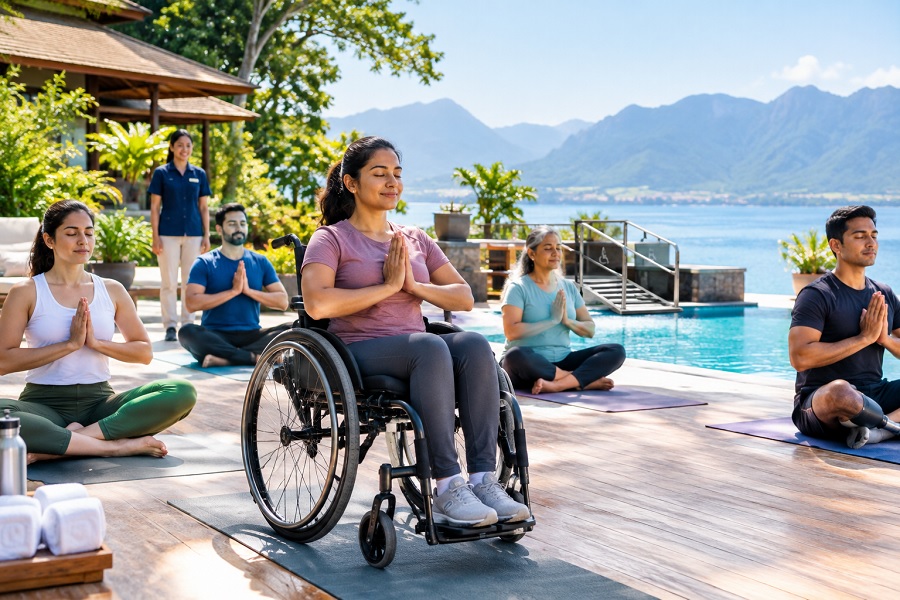
Yoga and meditation retreats offer opportunities to practise gentle movement, breathing exercises, mindfulness, and relaxation. These activities can complement an active lifestyle by helping travellers manage stress and improve body awareness.
Destinations such as Rishikesh and parts of Kerala are known for yoga and wellness experiences.
3. Nature-Based Wellness Tourism
Nature-based wellness holidays focus on outdoor activities in forests, hills, countryside settings, and coastal environments. Activities may include walking, easy trekking, birdwatching, gardening, and guided nature trails.
These experiences provide an enjoyable way to remain physically active without relying entirely on indoor fitness facilities.
4. Healthy Food and Nutrition Retreats
Nutrition-focused retreats combine accommodation with balanced meals, cooking demonstrations, food education, and opportunities to explore local ingredients.
Visitors may learn about seasonal vegetables, whole grains, pulses, fruits, and traditional regional dishes. Programmes should promote balanced eating rather than extreme restrictions or unproven detox diets.
5. Adventure and Outdoor Wellness Holidays
Adventure wellness tourism combines recreation with physical movement. Depending on the destination and the traveller's abilities, activities can include hiking, cycling, kayaking, nature walks, and supervised outdoor challenges.
These holidays offer variety and can help make physical activity enjoyable.
6. Luxury Wellness Resort Holidays
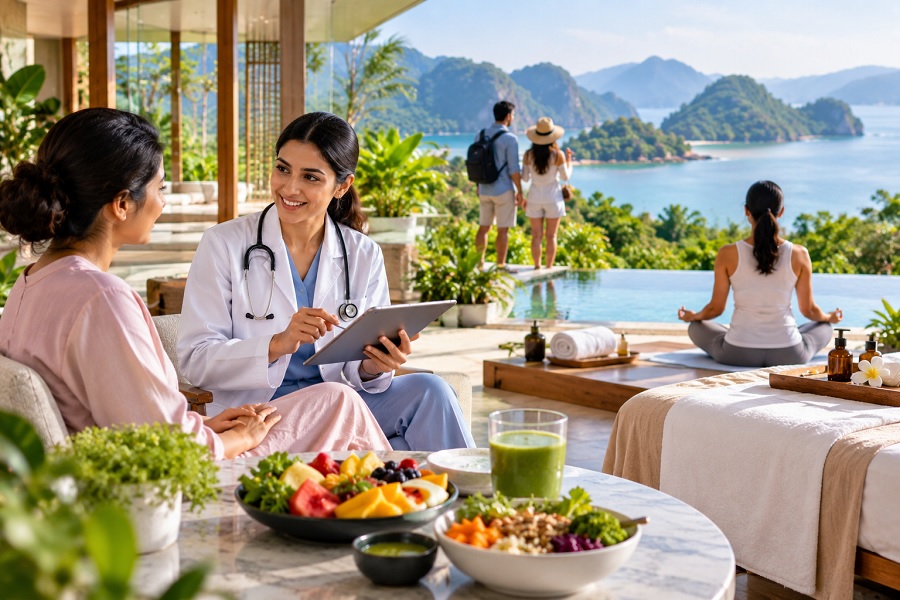
Luxury wellness resorts may provide fitness facilities, spa services, healthy dining options, yoga sessions, swimming pools, and personalised wellness consultations.
Travellers should distinguish general relaxation services from evidence-based weight management support and confirm the qualifications of professionals offering health-related advice.
7. Rural and Farm Wellness Tourism
Rural retreats can combine countryside accommodation with walking, gardening, farm visits, local food experiences, and outdoor recreation.
These holidays may appeal to visitors seeking a quieter environment and a break from sedentary urban routines.
Popular Weight Management Wellness Destinations in India
India offers diverse destinations for travellers interested in fitness, outdoor activities, healthy food, and wellness experiences.
1. Kerala
Kerala is known for its wellness resorts, yoga experiences, natural scenery, and traditional cuisine. Visitors can combine nature walks, swimming, gentle exercise, and balanced regional meals with relaxation.
2. Rishikesh, Uttarakhand
Rishikesh is a popular destination for yoga, meditation, outdoor activities, and nature-based retreats. Visitors can explore suitable walking routes and participate in guided wellness sessions.
3. Himachal Pradesh
Himachal Pradesh offers mountain scenery, walking trails, nature retreats, and opportunities for outdoor recreation. Travellers should choose activities according to their fitness level and account for altitude, weather, and trail conditions.
4. Goa
Goa combines beaches, wellness resorts, swimming, yoga, cycling opportunities, and fresh regional cuisine. Visitors can create active itineraries while allowing time for rest and relaxation.
5. Uttarakhand
Beyond Rishikesh, Uttarakhand offers forest surroundings, mountain retreats, and outdoor activities in various locations. Guided walks and suitable nature experiences can be incorporated into a wellness-focused holiday.
6. Coorg, Karnataka
Coorg is known for its green landscapes, coffee plantations, and peaceful countryside settings. Visitors can explore guided nature walks, plantation experiences, and local food while enjoying a slower travel pace.
7. Mysuru, Karnataka
Mysuru offers yoga experiences, parks, walking routes, and access to Karnataka's traditional cuisine. It can be suitable for travellers interested in combining cultural exploration with a regular wellness routine.
8. Ooty, Tamil Nadu
Ooty offers scenic gardens, walking opportunities, and a cool hill-station environment. Visitors can enjoy nature-based activities while exploring local attractions.
The availability of dedicated weight management programmes varies by property. Travellers should check current facilities, programme details, and professional credentials before booking.
Healthy Activities to Include in a Wellness Holiday
A successful wellness holiday should offer enjoyable activities suited to different abilities and interests.
Walking: Explore safe trails, gardens, beaches, and scenic routes.
Cycling: Discover local surroundings through guided rides or designated cycling paths.
Swimming: Enjoy a low-impact activity where suitable facilities are available.
Yoga: Practise gentle movement and flexibility exercises with a qualified instructor.
Strength training: Use supervised gym sessions or suitable bodyweight exercises.
Outdoor recreation: Participate in appropriate hiking, kayaking, or nature-based activities.
Mindfulness: Set aside time for breathing exercises and relaxation.
Cooking workshops: Learn to prepare balanced meals using local ingredients.
Travellers with medical conditions, injuries, or limited mobility should seek appropriate professional guidance before beginning unfamiliar physical activities.
The Role of Nutrition in Weight Management Tourism
Balanced nutrition is an important part of a sustainable wellness programme. Holidays can provide opportunities to explore different foods while learning practical approaches to healthy eating.
1. Balanced Meals
Meals can include a variety of vegetables, fruits, whole grains, protein-rich foods, and suitable sources of healthy fats. Individual needs vary, so dietary plans should be adapted when necessary.
2. Exploring Local Cuisine
Regional Indian cuisine offers many options, including dal, vegetable curries, whole-grain dishes, legumes, seasonal fruits, and traditional preparations. Travellers can enjoy local food while choosing a varied and balanced diet.
3. Mindful Eating
Mindful eating encourages people to pay attention to hunger, fullness, flavour, and eating pace. It can make meals more enjoyable and help visitors become more aware of their eating habits.
4. Hydration
Drinking sufficient water is important, especially during outdoor activities and in warm weather. Requirements vary according to activity, climate, and individual health needs.
5. Sustainable Eating Habits
Rather than following restrictive short-term diets, travellers can learn realistic approaches to meal planning and food choices that fit their everyday lives.
Weight management programmes should avoid extreme calorie restriction, unverified supplements, and promises of rapid or guaranteed weight loss.
How to Choose the Right Wellness Resort
Selecting a suitable wellness resort can make a significant difference to the travel experience.
Check the Programme Details
Review the daily schedule, available activities, meals, fitness facilities, and level of personalisation before making a booking.
Verify Professional Qualifications
If a programme includes nutrition counselling or health assessments, check that relevant services are provided by appropriately qualified professionals, such as registered dietitians and licensed healthcare practitioners.
Review Accommodation and Accessibility
Look for comfortable rooms, safe walking areas, suitable transport arrangements, and accessible facilities where needed.
Understand the Total Cost
Check whether the package includes accommodation, meals, activities, consultations, transport, and taxes. Ask about additional charges before confirming a reservation.
Read Recent Guest Reviews
Recent reviews can help travellers understand the quality of facilities, staff support, cleanliness, food options, and overall experience.
Avoid Unrealistic Claims
Be cautious of resorts promising dramatic weight loss within a few days, guaranteed results, or cures for medical conditions. Healthy weight management usually requires an individualised, longer-term approach.
How to Plan a Weight Management Wellness Holiday
Step 1: Define Your Goals
Decide whether your main priority is becoming more active, learning about nutrition, reducing stress, improving sleep, or simply enjoying a healthier holiday.
Step 2: Set a Realistic Budget
Compare accommodation, meals, transport, activities, and any professional consultations. A wellness holiday does not need to be expensive to be valuable.
Step 3: Choose a Suitable Destination
Select a location based on climate, accessibility, preferred activities, available facilities, and personal comfort.
Step 4: Create a Balanced Itinerary
Include movement, meals, rest, sightseeing, and free time. Avoid scheduling so many activities that the holiday becomes tiring or stressful.
Step 5: Prepare for Physical Activities
Pack comfortable clothing, suitable footwear, sun protection, and any essential personal items. Check activity requirements and weather conditions before departure.
Step 6: Continue Healthy Habits at Home
After the trip, choose a few realistic habits to maintain, such as daily walking, regular meals, improved sleep routines, or a weekly fitness activity.
Benefits of Weight Management Wellness Tourism
Weight management wellness tourism can provide several potential benefits when programmes are safe, realistic, and appropriately designed.
More opportunities for movement: Structured activities can help visitors break up sedentary routines.
Greater nutrition awareness: Cooking workshops and balanced meals can introduce practical food habits.
Relaxation and stress management: Time away from everyday demands can create opportunities for rest and mindfulness.
Personal development: Travellers may discover activities they enjoy and want to continue at home.
Cultural exploration: Local cuisine, traditions, and landscapes add depth to the wellness experience.
Long-term habit building: A well-designed programme can help visitors identify achievable lifestyle changes rather than relying on short-term results.
A holiday alone does not guarantee weight loss or improvements in health. Outcomes depend on individual circumstances and the habits maintained after travelling.
Sustainable Weight Management Wellness Tourism
Sustainable wellness tourism considers both visitor well-being and the environmental impact of travel.
Travellers can support responsible tourism by choosing locally owned accommodation, reducing food waste, using reusable water bottles, respecting natural areas, and purchasing products from local businesses.
Resorts can contribute by sourcing seasonal ingredients, managing water and energy use responsibly, reducing single-use plastics, and offering activities that have minimal environmental impact.
Wellness experiences that respect local communities and natural resources can make travel more meaningful for visitors and destinations alike.
Future Trends in Weight Management Wellness Tourism in 2026
Wellness travel continues to evolve as travellers seek more personalised and practical experiences.
Personalised Wellness Programmes
Some resorts offer activities and meal options tailored to guest preferences, abilities, and wellness goals. Health-related plans should be developed by appropriately qualified professionals.
Technology-Assisted Fitness
Fitness applications, activity trackers, and digital wellness platforms can help travellers monitor activity and organise routines. They should complement, not replace, professional guidance when needed.
Active Nature Holidays
Walking holidays, cycling trips, hiking experiences, and nature retreats appeal to travellers who prefer movement in outdoor settings.
Nutrition and Cooking Experiences
Cooking workshops, farm visits, and local food experiences allow travellers to learn about ingredients and balanced meal preparation.
Short Wellness Breaks
Weekend retreats and short activity-focused holidays offer alternatives for people who cannot take extended leave.
Sustainable Wellness Resorts
Travellers may increasingly consider environmental practices, locally sourced food, and community involvement when choosing wellness accommodation.
These are developing travel trends, and specific offerings depend on the destination and provider.
Challenges of Weight Management Wellness Tourism
Despite its appeal, weight management wellness tourism can involve several challenges.
Cost: Personalised programmes and luxury accommodation may be expensive.
Time limitations: Short holidays may not allow enough time to establish lasting habits.
Different fitness levels: Group activities may not suit every participant.
Unrealistic expectations: Some travellers may expect immediate results.
Programme quality: Not every wellness retreat provides evidence-based nutrition or fitness guidance.
Maintaining progress: Daily routines can become difficult to maintain after returning home.
Travellers can address these challenges by choosing realistic goals, researching providers carefully, and focusing on sustainable lifestyle changes rather than quick results.
Conclusion
Weight Management Wellness Tourism combines travel, physical activity, balanced nutrition, relaxation, and healthy lifestyle education. From the yoga retreats of Rishikesh and wellness experiences in Kerala to nature walks in Coorg and active holidays in Goa, India offers a variety of destinations for travellers seeking a healthier travel experience.
The most valuable wellness holiday is not necessarily the one with the most activities or the strictest schedule. It is one that offers enjoyable experiences, qualified guidance where needed, realistic expectations, and practical habits that can continue after the trip.
By choosing responsible providers and focusing on long-term well-being, travellers can make their holidays an opportunity to explore new destinations while building a more balanced lifestyle.