Weight Management Tourism: Combining Nutrition, Fitness and Wellness Retreats

Weight Management Tourism: Combining Healthy Travel, Wellness and Lifestyle Experiences
Introduction
Weight Management Tourism is a growing area of health and wellness tourism that combines travel with structured programs designed to support healthier eating habits, physical activity, lifestyle improvement and long-term wellness.
Instead of focusing only on short-term weight reduction, modern weight-management retreats can emphasize sustainable lifestyle changes. Travelers may choose wellness resorts, fitness retreats, nutrition programs, yoga destinations, outdoor activity holidays or medically supervised programs based on their individual needs.
What Is Weight Management Tourism?
Weight Management Tourism refers to travel undertaken to participate in organized wellness, fitness, nutrition or healthcare programs related to managing body weight and improving overall lifestyle.
Depending on the destination and provider, experiences may include:
Nutrition consultations
Healthy meal programs
Fitness activities
Yoga and meditation
Walking and hiking
Cooking classes
Lifestyle education
Wellness treatments
Sleep and relaxation programs
Medical consultations where appropriate
The goal is to create an environment where travelers can concentrate on healthier routines away from their usual daily schedules.
Why Is Weight Management Tourism Becoming Popular?
Busy lifestyles, sedentary work, frequent eating outside the home and limited time for exercise have increased interest in wellness-focused travel.
A dedicated retreat can provide travelers with a structured schedule that combines nutritious meals, physical activities, relaxation and educational sessions.
The travel experience can also make healthy lifestyle changes more engaging because visitors can explore new destinations while participating in wellness activities.
Types of Weight Management Tourism
1. Wellness Retreats
Wellness retreats may combine healthy meals, exercise sessions, relaxation activities and lifestyle workshops.
2. Fitness Retreats
Fitness-focused holidays can include walking, cycling, swimming, hiking, strength exercises and group fitness activities.
3. Nutrition Retreats
These programs focus on understanding balanced eating, portion awareness, meal planning and healthier cooking techniques.
4. Medical Weight Management Programs
Some healthcare facilities offer medically supervised weight-management services. These should be undertaken under qualified healthcare professionals and based on individual medical needs.
5. Yoga and Ayurveda Wellness Retreats
India is particularly suitable for wellness tourism combining yoga, meditation, traditional wellness practices and healthy food experiences.
6. Nature-Based Wellness Tourism
Hiking, nature walks, outdoor recreation and other low-impact activities can make weight-management holidays more active while allowing visitors to experience natural destinations.
Nutrition Experiences
Food is an important part of weight-management tourism.
Rather than promoting extreme diets, responsible programs can teach travelers about balanced meals and sustainable eating habits.
Programs may offer:
Fresh fruits and vegetables
Whole grains
Protein-rich foods
Balanced meal plans
Portion-conscious meals
Healthy snacks
Hydration guidance
Cooking demonstrations
Local ingredients can also become part of the experience, allowing travelers to discover regional cuisine while learning healthier preparation methods.
Fitness and Physical Activities
Physical activity is another important component of many wellness holidays.
Depending on fitness levels and professional guidance, activities can include:
Walking
Hiking
Cycling
Swimming
Yoga
Stretching
Dance
Outdoor recreational activities
Strength and mobility exercises
The best programs should offer activities appropriate to different abilities rather than assuming that every traveler has the same fitness level.
Healthy Cooking Workshops
Cooking classes can make weight-management tourism more practical.
Travelers can learn how to prepare balanced meals using local ingredients. Workshops can demonstrate cooking techniques such as steaming, grilling, roasting and using appropriate quantities of oils and other ingredients.
Participants can take these skills home and continue healthier cooking practices after their trip.
Mindfulness and Lifestyle Education
Weight management is not only about food and exercise. Lifestyle habits, sleep, stress management and daily routines can also influence overall health.
Wellness destinations may therefore include:
Meditation sessions
Mindfulness activities
Relaxation programs
Sleep education
Stress-management workshops
Time-management sessions
Healthy habit-building activities
These experiences can help travelers think about sustainable lifestyle changes rather than temporary restrictions.
Family Weight Management Tourism
Family-oriented wellness holidays can encourage healthier activities for parents and children together.
Families can participate in:
Nature walks
Cycling
Swimming
Outdoor games
Healthy cooking classes
Recreational sports
Nutrition education
Family programs should focus on healthy habits and enjoyable activities rather than appearance or unhealthy dieting pressure, particularly for children and teenagers.
Sustainable Tourism and Weight Management
Weight-management tourism can also support sustainable travel.
Nature walks, cycling, locally sourced food and community-based wellness programs can connect personal wellness with responsible tourism.
Tourism providers can support sustainability by:
Purchasing local produce
Reducing food waste
Supporting local farmers
Using reusable materials
Encouraging walking and cycling
Conserving water and energy
Employing local wellness professionals
Choosing a Weight Management Tourism Destination
Travelers should consider several factors before selecting a program.
Qualified Professionals
Programs involving medical or nutritional care should have appropriately qualified professionals.
Program Approach
Travelers should look for realistic lifestyle-focused programs rather than extreme promises.
Food Quality
Check whether meals are balanced, varied and suitable for individual dietary requirements.
Activity Options
Programs should provide activities appropriate for different fitness levels.
Accommodation
Comfortable accommodation, clean facilities and access to wellness services can improve the overall experience.
Follow-Up Support
Long-term support can be valuable because maintaining healthy habits after returning home is often more important than the short holiday itself.
Role of Technology
Technology is increasingly becoming part of wellness tourism.
Depending on the program, travelers may use:
Fitness applications
Smartwatches
Activity trackers
Digital meal planners
Online consultations
Virtual fitness classes
Wellness apps
Digital progress journals
Technology can help travelers maintain routines after their holiday, although health data should be handled responsibly and securely.
Challenges of Weight Management Tourism
This tourism segment also has challenges.
Some programs may make unrealistic claims or promote rapid results. Travelers should be cautious about programs promising guaranteed weight loss.
Other challenges include:
High program costs
Lack of standardized services
Different professional qualifications
Short-term approaches
Maintaining habits after returning home
Individual differences in health and fitness
Ensuring appropriate medical supervision
Responsible tourism providers should prioritize safety, realistic expectations and sustainable lifestyle practices.
Future of Weight Management Tourism
The future of Weight Management Tourism is likely to become increasingly personalized.
Potential developments include:
Personalized wellness itineraries
AI-assisted lifestyle planning
Digital health monitoring
Personalized nutrition programs
Fitness retreats for different age groups
Nature-based wellness experiences
Corporate wellness holidays
Family wellness vacations
Long-term online coaching after travel
Integrated medical and wellness tourism
Destinations may increasingly combine accommodation, nutrition, fitness, recreation and professional wellness services into complete health-focused travel experiences.
Conclusion
Weight Management Tourism offers travelers an opportunity to combine travel, wellness, nutrition, physical activity and lifestyle education in one experience. Its greatest potential lies not in promoting quick results, but in helping people develop practical and sustainable healthy habits.
With qualified professionals, balanced nutrition, suitable physical activities and responsible tourism practices, weight-management retreats can become an important part of the growing global health and wellness tourism industry.










More News
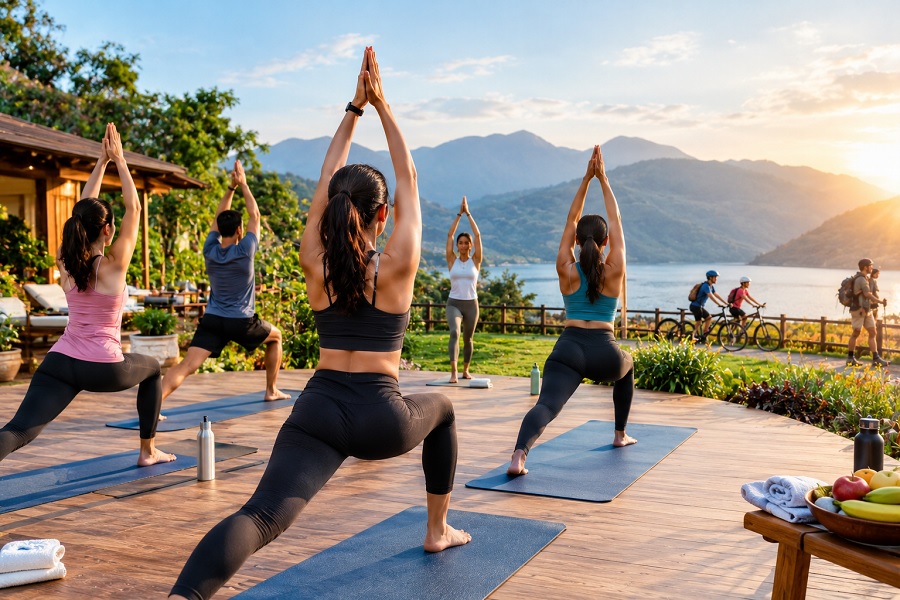
Active Wellness Holidays: Fitness Coaching, Nature Activities and Healthy Lifestyle Experiences