Future of Medical and Wellness Tourism in India 2026: Emerging Healthcare and Wellness Trends

Future of Medical and Wellness Tourism in India: Trends for 2026
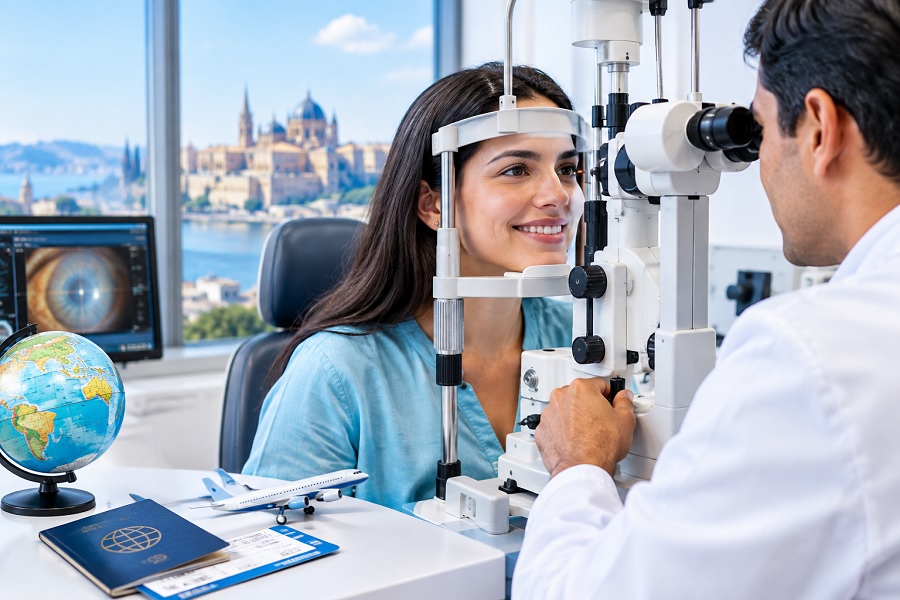
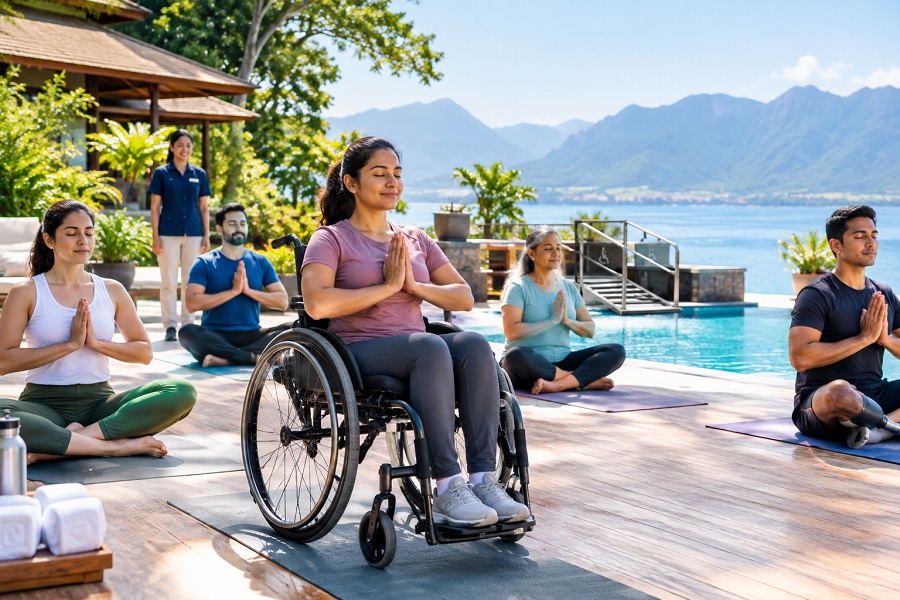
India's medical and wellness tourism sector is moving toward a broader healthcare model that combines advanced medical treatment, preventive care, traditional wellness systems, rehabilitation and digital services. In 2026, the country's Medical Value Travel ecosystem is being supported by initiatives such as the Ayush Visa, quality benchmarks, international patient facilitation and proposed regional medical hubs.
The future of medical and wellness tourism in India is therefore likely to involve more than hospital treatment alone. Travellers increasingly seek complete healthcare journeys that can include diagnosis, treatment, recovery, rehabilitation and wellness experiences.
What Is Medical and Wellness Tourism?
Medical tourism generally involves travelling to another destination to receive healthcare services, while wellness tourism focuses on preventive, lifestyle and holistic well-being experiences.
In India, these two areas increasingly overlap through an ecosystem that can include:
Advanced hospital treatment
Preventive health checkups
Rehabilitation
Ayurveda
Yoga
Naturopathy
Other AYUSH systems
Wellness retreats
International patient services
Digital healthcare support
Government material in 2026 describes Medical Value Travel as a combination of specialised medical care and wellness-related services, with India seeking to integrate modern healthcare infrastructure with traditional systems such as AYUSH.
Why Is India's Health Tourism Sector Changing?
Several developments are shaping the future of the sector.
Growing International Patient Interest
According to the Ministry of Ayush, the number of international patients visiting India increased from 1,82,945 in 2020 to 6,44,387 in 2024. The same government release notes growing interest in Yoga, Ayurveda and wellness-based therapies alongside medical treatment.
Rising Demand for Integrated Care
International patients may look for more than a procedure. They can also require diagnostics, accommodation support, rehabilitation, follow-up services and wellness programmes.
Digital Healthcare
Digital systems can make it easier to communicate with hospitals before travel, share medical records and coordinate parts of the patient journey.
Traditional Wellness
Ayurveda, Yoga, Naturopathy and other AYUSH systems remain an important part of India's wellness tourism identity. The government is also working to connect traditional systems with quality standards, research and international frameworks.
Major Medical and Wellness Tourism Trends for 2026
1. Growth of Medical Value Travel
Medical Value Travel is becoming a central framework for India's international healthcare tourism strategy.
Government initiatives are intended to strengthen India's ability to provide treatment, patient support and related services to international visitors. In February 2026, the Union Budget announced support for five Regional Medical Hubs in partnership with state governments and the private sector.
These proposed hubs are intended to bring together medical services, education and research, with facilities for advanced diagnostics, post-treatment care and rehabilitation.
2. Regional Medical Hubs
Regional healthcare hubs could become an important part of India's future medical tourism infrastructure.
The 2026 proposal includes integrated facilities containing specialised healthcare services, AYUSH centres and Medical Value Tourism facilitation centres.
For international patients, integrated infrastructure could make it easier to coordinate different stages of care within one regional ecosystem.
3. Expansion of Ayurveda and AYUSH Tourism
Ayurveda and other AYUSH systems are expected to remain an important part of India's wellness tourism offering.
The Government introduced the Ayush Visa in July 2023 for foreign nationals seeking treatment under AYUSH systems. In 2026, the government continues to promote this route as part of India's Medical Value Travel ecosystem.
4. Greater Focus on Quality Standards
Quality and trust are becoming increasingly important as medical and wellness tourism expands.
The government states that the Ayush Quality Mark, launched in December 2025, is intended to support harmonisation of quality standards with global markets. India has also adopted ISO 22525 through the Bureau of Indian Standards for Medical Value Travel.
For travellers, this means comparing recognised facilities, qualified professionals, transparent treatment information and credible quality systems will remain important.
5. Digital Medical Travel Services
Digital technology is becoming an important part of healthcare coordination.
Potential services include:
Online pre-travel consultations
Digital medical records
Appointment coordination
Remote communication with care teams
Digital diagnostic information
Post-treatment follow-up
International patient portals
Health authorities have highlighted digital integration as part of India's broader efforts to strengthen advanced specialty care and patient-centred healthcare.
Digital services can simplify communication, but they do not replace the physical examination and clinical assessment required for many treatments.
6. Preventive Health Tourism
The future of health tourism is also expected to include preventive healthcare.
International visitors may combine travel with:
Health screenings
Lifestyle consultations
Nutrition programmes
Fitness experiences
Stress-management activities
Wellness assessments
Preventive health programmes
This expands healthcare travel beyond treatment of existing conditions toward health maintenance and risk awareness.
7. Rehabilitation Tourism
Post-treatment rehabilitation is another important area of Medical Value Travel.
Future medical tourism packages may increasingly connect treatment with:
Physiotherapy
Cardiac rehabilitation
Orthopaedic rehabilitation
Recovery programmes
Mobility support
Wellness-based recovery
The 2026 Regional Medical Hub proposal specifically includes infrastructure for post-treatment care and rehabilitation.
8. Integrated Medical and Wellness Packages
India has an opportunity to combine hospital services with wellness experiences.
A patient journey could potentially include medical treatment followed by an appropriate recovery or wellness programme, depending on clinical advice.
Possible combinations include:
Medical treatment + rehabilitation
Preventive screening + wellness programme
AYUSH treatment + lifestyle programme
Surgery + recovery support
This integrated model can create a more complete travel experience while keeping medical care at the centre.
9. International Patient Facilitation
International patients often need support beyond the hospital itself.
Useful services can include:
Visa assistance
Airport transfers
Accommodation coordination
Language support
Appointment scheduling
Medical document handling
Billing assistance
Post-treatment communication
The Ministry of Tourism notes that India has extended e-medical visa and e-medical attendant visa facilities for foreign nationals seeking treatment.
10. Affordable Healthcare
Cost remains an important consideration in global medical travel.
Government sources describe India as offering relatively cost-effective treatment alongside modern medical infrastructure and skilled healthcare professionals. However, patients should compare total costs rather than focusing only on advertised procedure prices.
The complete cost may include:
Medical consultations
Diagnostic tests
Treatment
Hospitalisation
Medicines
Accommodation
Local transport
Visa expenses
Follow-up care
Travel insurance where applicable
Future of Wellness Tourism in India
Wellness tourism is broadening beyond traditional spa experiences.
Ayurveda Wellness Retreats
Ayurveda-based retreats can combine traditional therapies with accommodation, food and lifestyle programmes.
Yoga and Meditation Tourism
India's established Yoga tradition provides opportunities for international visitors interested in structured wellness retreats.
Nature-Based Wellness
Forests, mountains, beaches and rural destinations can support wellness-oriented travel experiences involving relaxation, outdoor activities and mindful travel.
Nutrition and Lifestyle Retreats
Wellness resorts may increasingly focus on healthy eating, fitness, sleep and lifestyle education.
Digital Detox Holidays
Travel programmes that reduce screen use and encourage nature, meditation and relaxation can form part of the broader wellness tourism sector.
Kerala and Ayurveda Tourism
Kerala continues to have an important place in India's Ayurveda tourism landscape. In August 2026, the government highlighted Kerala's role in promoting Ayurveda and Medical Value Travel through institutional cooperation and international outreach.
The future of Ayurveda tourism will likely depend not only on traditional reputation but also on quality assurance, trained practitioners, responsible communication and alignment with recognised healthcare standards.
Role of Technology in Future Health Tourism
Technology can influence nearly every stage of a medical travel journey.
Before Travel
Patients can communicate with hospitals, share reports and explore treatment options before travelling.
During Treatment
Digital hospital systems can support scheduling, records and communication between healthcare teams.
After Treatment
Remote follow-up can help maintain communication with care providers after a patient returns home, where clinically appropriate.
Artificial intelligence may also support administrative workflows, patient communication and healthcare information systems, but clinical decisions should remain under qualified healthcare professionals.
Sustainability in Medical and Wellness Tourism
The future of health tourism will also involve environmental responsibility.
Hospitals, resorts and tourism providers can work toward:
Energy efficiency
Responsible water use
Waste reduction
Sustainable transportation
Local sourcing
Environmentally responsible accommodation
Reduced single-use materials
Sustainable healthcare travel can benefit both patients and the destinations that host them.
Medical Tourism and Local Economic Development
Health tourism can support a broader network of industries beyond hospitals.
These can include:
Hotels
Airlines
Transport providers
Restaurants
Pharmacies
Wellness centres
Tourism agencies
Language services
Rehabilitation providers
Caregiver services
The Ministry of Tourism recognises medical tourism as an ecosystem involving healthcare providers, facilitators, hospitals, hotels, airlines and regulatory agencies.
Challenges for the Future
The expansion of health tourism also brings important challenges.
Quality and Patient Safety
Medical travellers need reliable information about doctors, hospitals, procedures and potential risks.
Continuity of Care
Patients may need follow-up treatment after returning home. Effective communication between healthcare providers is important.
Transparent Pricing
Clear information about treatment costs and what is included can help patients plan responsibly.
Regulation
As the sector grows, maintaining professional standards and preventing misleading healthcare claims will remain important.
Ethical Marketing
Medical tourism promotion should provide accurate information and avoid guaranteeing outcomes that cannot be guaranteed.
How Patients Can Choose a Health Tourism Provider
Before travelling for healthcare, patients should carefully evaluate the provider.
Important factors include:
Hospital accreditation and licensing
Doctor qualifications
Experience with the proposed procedure
Treatment plan
Total estimated cost
Infection-control practices
Emergency support
Follow-up arrangements
International patient services
Availability of medical records
A patient should also discuss the decision with an appropriately qualified healthcare professional in their home country when necessary.
Future Health Tourism Destinations in India
India's growing Medical Value Travel ecosystem is likely to involve established metropolitan healthcare centres as well as regional hubs.
Potential growth areas include destinations with a combination of:
Advanced hospitals
Specialist doctors
International airport connectivity
Rehabilitation services
Wellness facilities
Ayurveda and AYUSH centres
Accommodation infrastructure
International patient support
The proposed Regional Medical Hubs are intended to strengthen this type of integrated healthcare ecosystem across different parts of the country.
What Travellers Can Expect in 2026 and Beyond
The future of medical and wellness tourism in India is moving toward a more connected healthcare journey.
Travellers may increasingly see packages and services that combine:
Diagnosis → Treatment → Rehabilitation → Wellness → Follow-up
However, every stage will not be appropriate for every patient. Medical care should always be personalised and based on qualified clinical advice.
Conclusion
The Future of Medical and Wellness Tourism in India: Trends for 2026 is centred on integration, quality, technology, preventive care and international patient support.
India is developing a broader Medical Value Travel ecosystem that combines advanced hospitals with Ayurveda, Yoga and other AYUSH systems. Government initiatives such as the Ayush Visa, Ayush Quality Mark and proposed Regional Medical Hubs are intended to strengthen the country's healthcare and wellness tourism infrastructure.
For travellers, the future of health tourism will not simply be about finding an affordable treatment. It will increasingly involve choosing qualified providers, understanding the complete care journey, checking quality standards and planning for recovery and follow-up.
As India's medical and wellness ecosystem continues to develop, the combination of modern healthcare, preventive services and established wellness traditions could become an increasingly important part of the country's tourism offering.






More News

Luxury Healthcare Travel 2026: Exclusive Medical Services, Premium Accommodation and Persona...