Exploring Sustainable Coastal Travel Through Blue Economy Tourism
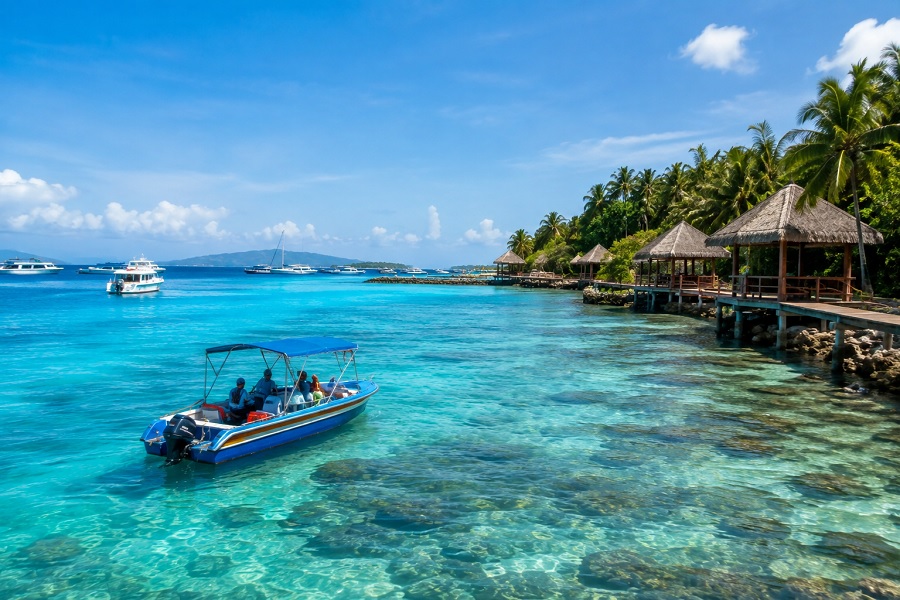
Blue Economy Tourism: Exploring Sustainable Coastal and Marine Travel
Blue Economy Tourism is an emerging form of tourism that connects travel with the sustainable use and protection of oceans, seas, coastlines, islands, and marine resources. It focuses on creating tourism opportunities while protecting the ecosystems and communities that depend on them.
The World Bank defines the blue economy as the sustainable use of ocean resources for economic growth, improved livelihoods, and employment while maintaining healthy ocean ecosystems. Tourism is one of the key ocean-based sectors within this approach.
For India, the concept is particularly relevant because the country's long coastline, islands, beaches, mangroves, coral ecosystems, fishing communities, and coastal cities provide a wide range of opportunities for responsible marine tourism.
What Is Blue Economy Tourism?
Blue Economy Tourism refers to tourism activities that depend on marine and coastal environments while aiming to maintain their long-term ecological and economic health.
It can include:
Sustainable beach tourism
Responsible scuba diving
Snorkeling
Kayaking
Marine wildlife watching
Dolphin-watching experiences
Island tourism
Mangrove tours
Coral reef experiences
Sustainable fishing tourism
Coastal village tourism
Sailing and boating
Marine conservation experiences
Ocean photography
Beach and coastal nature education
The objective is not simply to increase the number of visitors. Sustainable blue tourism aims to ensure that tourism revenue, employment, and visitor experiences are balanced with environmental protection and community benefits. The UN World Ocean Assessment similarly emphasizes that coastal and ocean tourism depends heavily on healthy marine ecosystems and needs stronger investment in local communities, culture, and environmental protection.
Why Blue Economy Tourism Matters
Coastal tourism can generate employment and income for communities while encouraging investment in destinations. However, unmanaged tourism can also create waste, pollution, pressure on water resources, habitat degradation, and damage to marine ecosystems.
This creates an important connection between tourism and conservation.
India's Ministry of Environment, Forest and Climate Change has identified sustainable coastal management and blue economy development as areas requiring protection of coastal ecology alongside economic development.
Blue Economy Tourism in India
India has extensive coastal and marine tourism potential. The country's coastal areas support tourism, fisheries, transportation, biodiversity, communities, and other economic activities.
Potential blue tourism experiences can be developed across destinations such as:
Goa
Kerala
Maharashtra
Gujarat
Odisha
West Bengal
Tamil Nadu
Andhra Pradesh
Karnataka
Andaman and Nicobar Islands
Lakshadweep
The focus should be on destination-specific tourism that respects local ecological conditions and carrying capacity.
Sustainable Beach Tourism
Beaches are among the most visible components of coastal tourism. Blue economy tourism encourages beaches to be managed in ways that combine visitor enjoyment with environmental protection.
Responsible beach tourism can include:
Waste reduction
Plastic-free initiatives
Clean sanitation facilities
Responsible construction
Dune protection
Visitor education
Local employment
Beach monitoring
Conservation programs
India's environmental authorities have also promoted Blue Flag certification for environmentally sound beach infrastructure and management.
Marine Wildlife Tourism
Marine wildlife can be a major attraction for travelers. Depending on the destination, visitors may participate in dolphin watching, turtle conservation experiences, whale watching, birdwatching, and other marine wildlife activities.
However, wildlife tourism should maintain appropriate distances and avoid activities that disturb animals.
The goal is to allow visitors to observe marine life while helping protect the habitats that support it.
Scuba Diving and Snorkeling
Scuba diving and snorkeling can introduce travelers to underwater ecosystems such as coral reefs, seagrass areas, and rocky marine habitats.
Responsible operators can contribute to sustainable tourism by educating visitors about marine ecosystems and preventing harmful practices such as touching corals, collecting marine organisms, or leaving waste underwater.
Travelers should choose qualified operators that follow local environmental and safety regulations.
Coral Reef Tourism
Coral reefs are valuable natural assets for marine tourism, but they are also vulnerable ecosystems.
Tourism activities should therefore be designed around reef conservation. Visitor education, controlled access, responsible diving practices, and marine protected areas can help reduce tourism-related pressure.
Climate change and rising ocean temperatures create additional challenges for coral ecosystems, making conservation increasingly important.
Mangrove Tourism
Mangroves provide important ecological functions while also offering unique tourism experiences.
Travelers can explore mangrove environments through:
Kayaking
Guided boat tours
Birdwatching
Nature photography
Educational walks
Conservation programs
Mangrove tourism can also help visitors understand the importance of coastal ecosystems and climate resilience.
Island Tourism
Island destinations can benefit significantly from tourism but can also face challenges related to freshwater, waste management, infrastructure, and ecosystem pressure.
Sustainable island tourism should therefore emphasize:
Visitor management
Water conservation
Renewable energy
Waste reduction
Local employment
Responsible transportation
Marine conservation
The objective is to protect the destination's natural character while creating sustainable economic opportunities.
Coastal Community Tourism
One of the strongest elements of blue economy tourism is the involvement of local communities.
Fishing villages and coastal communities possess knowledge of local waters, food traditions, boat-building, fishing practices, marine ecology, and cultural heritage.
Tourism experiences can incorporate these traditions through:
Community-guided tours
Local seafood experiences
Fishing heritage tours
Traditional boat experiences
Handicraft workshops
Coastal homestays
Cultural storytelling
When properly designed, tourism can create additional income opportunities while preserving local traditions.
Sustainable Fishing Tourism
Fishing is closely connected with the blue economy. Tourism can introduce visitors to fishing communities through educational experiences rather than encouraging unsustainable extraction.
Possible experiences include observing traditional fishing methods, visiting fish markets, learning about sustainable seafood, and exploring fishing heritage.
Tourism programs should follow local regulations and avoid contributing to overfishing.
Blue Economy and Local Employment
Tourism can create employment in coastal communities through hospitality, guiding, transportation, food services, conservation, handicrafts, marine recreation, and small businesses.
Recent World Bank-supported coastal initiatives in India have included sustainable tourism and skills development as ways to create new livelihood opportunities for coastal communities.
This demonstrates why blue economy tourism can be considered not only an environmental concept but also a community development opportunity.
Sustainable Marine Adventure Tourism
Adventure activities can become part of blue tourism when they are carefully managed.
Examples include:
Kayaking
Sailing
Paddleboarding
Snorkeling
Scuba diving
Responsible boating
Coastal cycling
Marine photography
Guided nature tours
Operators should minimize pollution, avoid sensitive habitats, maintain appropriate visitor limits, and follow local safety requirements.
Blue Economy Tourism and Food
Coastal food is another important component of marine tourism. Travelers can explore regional seafood, traditional fishing cuisine, coastal vegetarian dishes, coconut-based foods, local spices, and traditional cooking methods.
Food tourism can support local restaurants, fishermen, farmers, small producers, and community businesses.
Sustainable seafood choices are particularly important in destinations where marine resources are under pressure.
Ocean Conservation Experiences
Modern travelers increasingly seek experiences that allow them to contribute positively to destinations.
Blue tourism can incorporate:
Beach restoration
Mangrove planting
Marine education
Citizen science
Coastal cleanups
Turtle conservation
Reef monitoring
Biodiversity awareness
These experiences should be carefully organized by qualified organizations so that visitor participation does not unintentionally disturb sensitive ecosystems.
India's Ministry of Environment has conducted large-scale coastal cleanup campaigns to increase awareness about clean beaches, marine pollution, and ocean conservation.
Sustainable Coastal Accommodation
Hotels and resorts can play an important role in blue economy tourism.
Eco-conscious coastal properties can focus on:
Solar energy
Rainwater harvesting
Water conservation
Waste segregation
Plastic reduction
Local food sourcing
Energy-efficient buildings
Responsible wastewater management
Local employment
Accommodation development should also consider the sensitivity of coastal ecosystems and comply with applicable coastal regulations.
Blue Economy Tourism and Climate Change
Coastal destinations are particularly exposed to climate-related challenges such as sea-level rise, coastal erosion, extreme weather, warming oceans, and ecosystem degradation.
Sustainable coastal tourism therefore needs climate-resilient planning.
India's coastal management programs emphasize ecosystem resilience, climate-resilient development, integrated coastal planning, and protection of marine and coastal ecosystems.
Responsible Travel Tips for Blue Tourism
Travelers can contribute to healthier coastal destinations by following simple practices:
Avoid single-use plastic whenever possible.
Carry reusable water bottles.
Never throw waste into the sea.
Avoid touching coral reefs.
Do not collect shells, corals, or marine organisms.
Follow wildlife-watching guidelines.
Choose responsible local operators.
Support locally owned businesses.
Respect fishing communities and coastal cultures.
Follow beach and marine protected-area regulations.
Conserve water at coastal accommodations.
Participate only in legitimate conservation activities.
Technology and Blue Economy Tourism
Technology can help destinations manage tourism more sustainably.
Possible applications include:
Digital visitor management
Marine monitoring systems
Smart waste management
Online conservation education
Wildlife monitoring
Digital interpretation of coastal heritage
GIS-based coastal planning
Data-driven visitor capacity management
Better data can help tourism authorities understand visitor patterns and environmental pressures.
The Future of Blue Economy Tourism
The future of blue economy tourism is likely to move toward experiences that combine recreation, conservation, education, and community development.
The World Bank's blue economy framework specifically identifies sustainable development of ocean sectors such as tourism, marine pollution reduction, and integrated coastal management as interconnected priorities.
For India, this could create opportunities for coastal communities while encouraging better management of beaches, mangroves, coral ecosystems, islands, and marine wildlife.
Conclusion
Blue Economy Tourism represents a new way of thinking about coastal and marine travel. It is not simply about visiting beaches or participating in water sports. It is about creating tourism that supports livelihoods while maintaining healthy oceans and coastal ecosystems.
India's coastal destinations have enormous potential for responsible marine tourism. By combining sustainable accommodation, community participation, conservation, responsible adventure activities, local food, and environmental education, blue economy tourism can create memorable experiences while helping protect the natural resources that make coastal destinations attractive in the first place.
The central principle is simple: healthy oceans create better tourism opportunities, and responsible tourism can help protect healthy oceans.