Exploring Nature Responsibly: A Guide to Student Ecotourism Experiences
Student Ecotourism Experiences: Learning, Nature and Sustainable Travel
Introduction
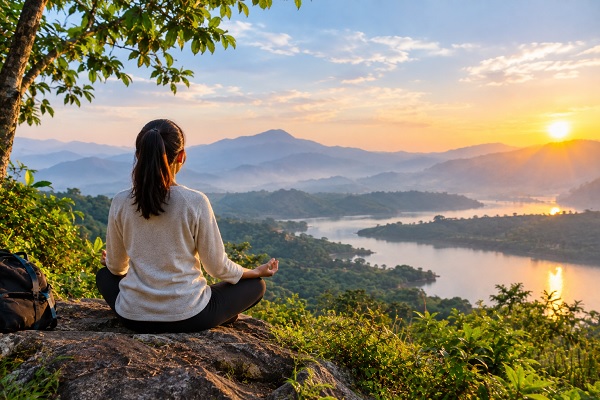
Student Ecotourism Experiences combine travel, environmental education, outdoor exploration, and hands-on learning. Instead of experiencing sustainability only through textbooks and classroom discussions, students can learn directly from forests, wetlands, wildlife areas, farms, coastal ecosystems, national parks, and local communities.
Recent 2026 research is highlighting the educational value of ecotourism and experiential learning. Studies have reported improvements in students' environmental knowledge, ecological values, and interest in conservation through ecotourism-based learning.
What Is Student Ecotourism?
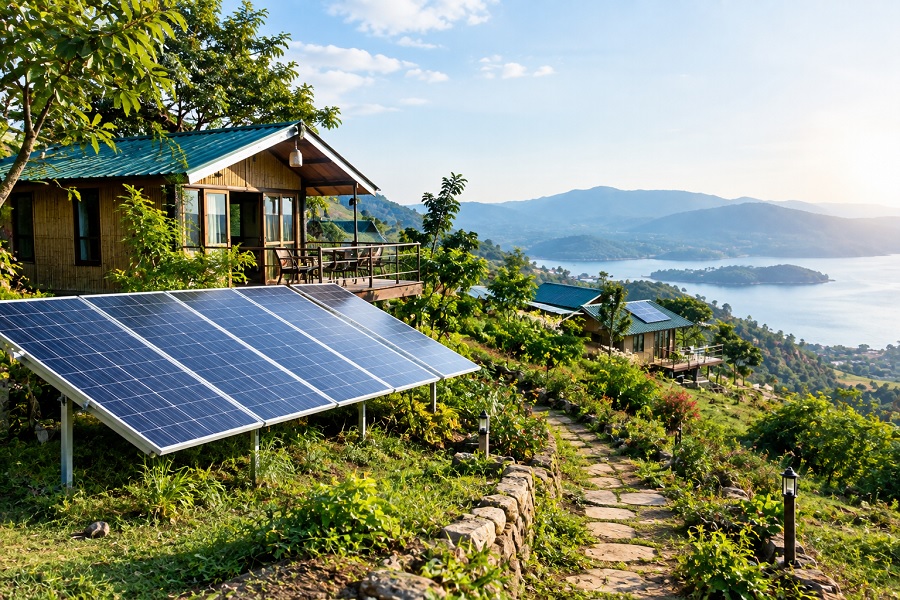
Student ecotourism is travel designed around nature, conservation, education, and responsible tourism. It can include educational field trips, biodiversity surveys, wildlife observation, conservation projects, eco-farm visits, forest walks, and community-based tourism.
The goal is not simply to visit a natural destination. Students are encouraged to understand the ecosystem, respect local communities, and learn how tourism can contribute to environmental protection.
India's Ministry of Tourism describes ecotourism as responsible travel to natural areas that focuses on conservation, biodiversity, cultural awareness, and benefits for local communities.
Why Is Ecotourism Important for Students?
Ecotourism provides students with practical learning opportunities outside the traditional classroom. A 2026 study on ecotourism as an educational tool found that nature-based experiences can support sustainability awareness and experiential learning.
Students can develop:
Environmental awareness
Knowledge of biodiversity
Conservation skills
Teamwork and communication
Problem-solving abilities
Appreciation for local communities
Responsible travel habits
Interest in sustainability-related careers
Popular Student Ecotourism Experiences
1. Wildlife Conservation Trips
Students can visit wildlife reserves and conservation areas to learn about animal habitats, biodiversity, and protection programs.
Activities may include guided wildlife observation, habitat education, biodiversity documentation, and conservation discussions.
2. Forest Exploration Tours
Forest trips allow students to study trees, plants, insects, birds, soil, and other elements of an ecosystem.
Guided nature walks can turn a simple excursion into a practical environmental science lesson.
3. Birdwatching Tourism
Birdwatching is an accessible ecotourism activity for students. It teaches them how to identify species, understand habitats, and observe wildlife without disturbing it.
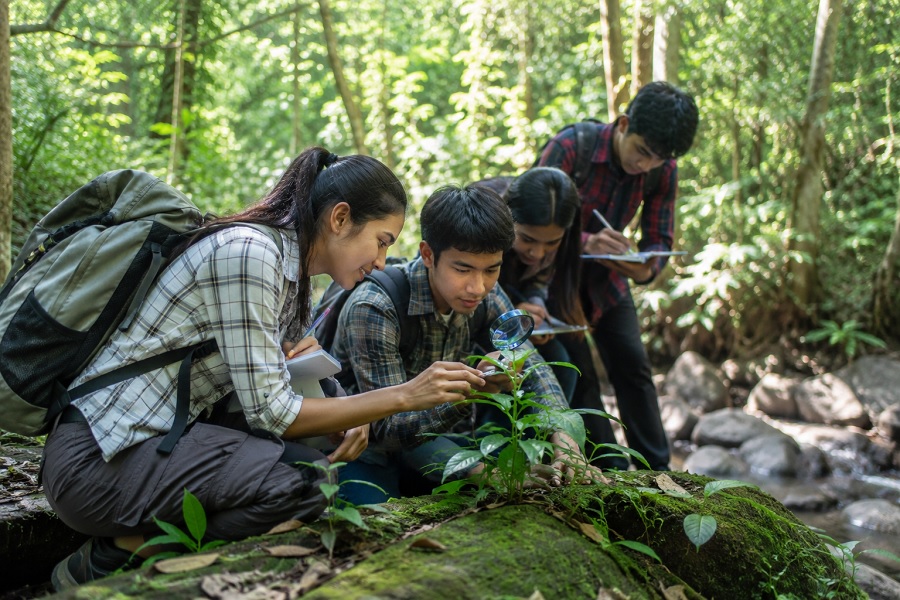
4. Biodiversity Field Studies
Students can document different plant and animal species during supervised field studies.
These activities can connect subjects such as biology, geography, environmental science, and tourism management with real-world experiences.
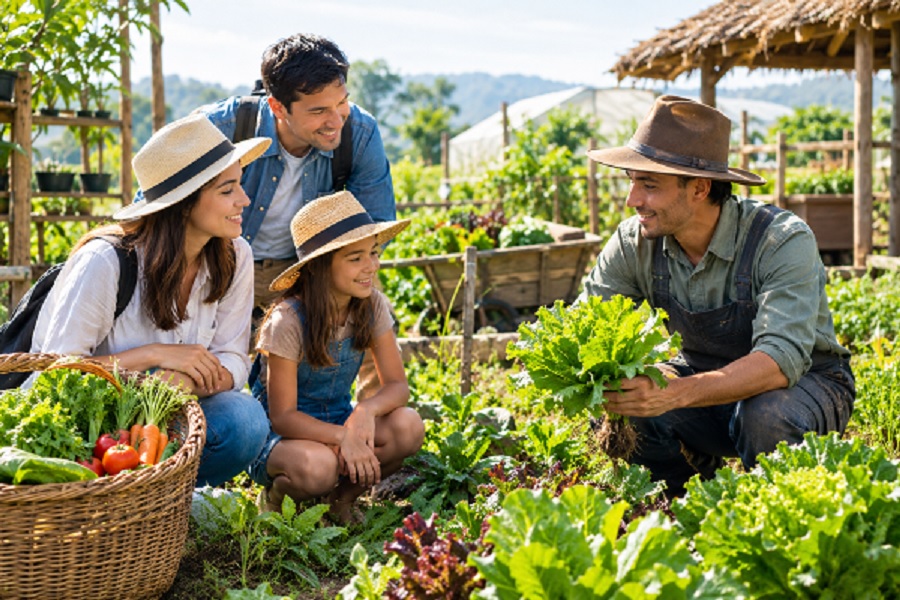
5. Eco-Farm Visits
Visits to organic farms can introduce students to sustainable agriculture, soil conservation, composting, water management, and local food production.
Farm tourism can also help students understand the relationship between agriculture, rural communities, and sustainable tourism.
6. Community-Based Ecotourism
Students can stay in or visit communities that participate in responsible tourism. They can learn about local traditions, livelihoods, environmental challenges, and conservation practices.
This also demonstrates how tourism can create economic opportunities for local communities.
7. Coastal and Marine Ecotourism
Coastal trips can introduce students to mangroves, coral reefs, marine wildlife, beaches, and ocean conservation.
Activities may include guided coastal walks, marine education programs, responsible snorkeling, and beach-cleaning initiatives.
Learning Through Field Trips
Field trips are an important component of student ecotourism. Research published in 2026 on conservation education found that students often prefer interactive and immersive approaches such as field trips, conservation projects, and digital tools over classroom-only learning.
A well-designed trip can include:
Pre-trip classroom preparation
Destination orientation
Guided nature activities
Conservation or research activity
Interaction with local communities
Student documentation
Post-trip discussion and assessment
This approach helps students connect theory with real-world situations.
Student Ecotourism and Conservation
Conservation should be at the heart of responsible student ecotourism.
Students can participate in activities such as:
Tree planting
Wildlife habitat restoration
Beach cleanups
Biodiversity surveys
Bird monitoring
Waste reduction campaigns
Water conservation activities
Environmental awareness programs
These activities can help students understand that tourism and conservation can work together when destinations are managed responsibly.
Benefits for Local Communities
Student ecotourism can also contribute to local economies when trips use responsible tourism providers and community-based services.
Students may support local communities by using:
Local guides
Community homestays
Local transportation
Small restaurants
Local handicraft businesses
Community tourism organizations
This creates a more meaningful connection between education, tourism, and local development.
Sustainable Practices for Student Travelers
Students should follow environmentally responsible practices during every ecotourism trip.
Reduce Waste
Carry reusable water bottles, bags, and containers where practical.
Respect Wildlife
Never feed, chase, touch, or intentionally disturb wild animals.
Stay on Designated Trails
Following established paths helps protect vegetation and sensitive habitats.
Avoid Single-Use Plastics
Students can minimize disposable packaging and properly manage their waste.
Respect Local Culture
Local communities should be treated respectfully, and students should follow cultural and community guidelines.
Use Local Services
Choosing locally operated services can help ensure that tourism benefits the destination.
Technology in Student Ecotourism
Technology is increasingly becoming part of educational ecotourism. Students can use smartphones, GPS tools, biodiversity applications, digital cameras, and online platforms to document their experiences.
Emerging possibilities include:
Digital biodiversity mapping
Virtual field trips
Wildlife identification applications
Augmented reality nature trails
Digital environmental journals
Online conservation projects
AI-assisted educational tools
However, technology should support direct engagement with nature rather than replacing real-world experiences.
Student Ecotourism in India
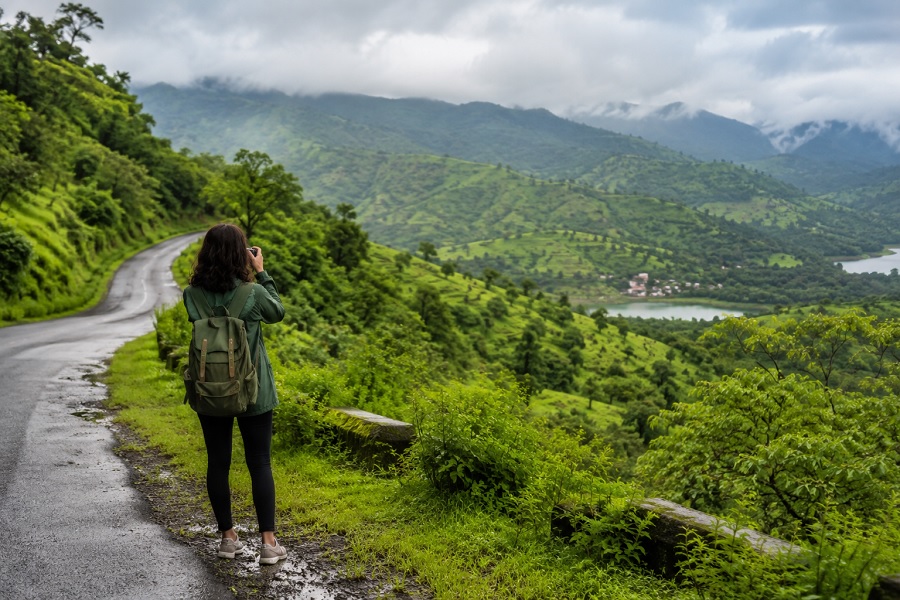
India offers a wide range of destinations suitable for educational ecotourism, including forests, wetlands, mountains, deserts, coastlines, national parks, and community-managed natural areas.
Students can explore topics such as:
Himalayan biodiversity
Western Ghats ecosystems
Mangrove conservation
Desert ecology
Forest conservation
Wetland ecosystems
Wildlife protection
Sustainable agriculture
Community-based tourism
Recent research on students in Sikkim specifically examined knowledge, attitudes, and perceptions related to biodiversity conservation within an ecotourism context, demonstrating the relevance of this approach for Indian environmental education.
Safety Considerations
Student ecotourism should always be properly planned and supervised.
Important considerations include:
Qualified guides
Appropriate transportation
Weather monitoring
Emergency contacts
First-aid arrangements
Safe accommodation
Wildlife safety instructions
Student-to-supervisor ratios
Clear environmental rules
The destination and activities should be selected according to students' ages, abilities, academic objectives, and environmental conditions.
Future of Student Ecotourism
Student ecotourism is likely to become increasingly connected with sustainability education. Recent research emphasizes moving beyond classroom-based learning toward practical, place-based experiences that develop sustainability skills.
Future experiences may include:
Climate education field trips
Biodiversity research tourism
Conservation volunteering
Sustainable agriculture tours
Eco-friendly adventure camps
Digital nature-learning programs
Community conservation projects
Sustainable tourism internships
Wildlife research experiences
Regenerative tourism education
Conclusion
Student Ecotourism Experiences offer an effective way to combine education, adventure, environmental awareness, and responsible travel. Students can learn about biodiversity, conservation, local communities, and sustainable tourism while experiencing natural destinations firsthand.
When carefully planned, ecotourism can transform a conventional educational trip into a practical learning experience. It can help students develop environmental knowledge, responsible travel habits, and a stronger appreciation for the natural world.
As sustainability becomes increasingly important in education and tourism, student ecotourism has strong potential to become an important part of experiential learning in 2026 and beyond.