Explore Rural Life Through Sustainable Village Ecotourism
Village Ecotourism Experiences: Discovering Sustainable Rural Travel
Village ecotourism experiences offer travelers an opportunity to explore rural communities, traditional lifestyles, local landscapes, and sustainable ways of living. Unlike conventional tourism, village ecotourism focuses on meaningful interaction with local communities while encouraging environmental conservation and responsible travel.
Introduction
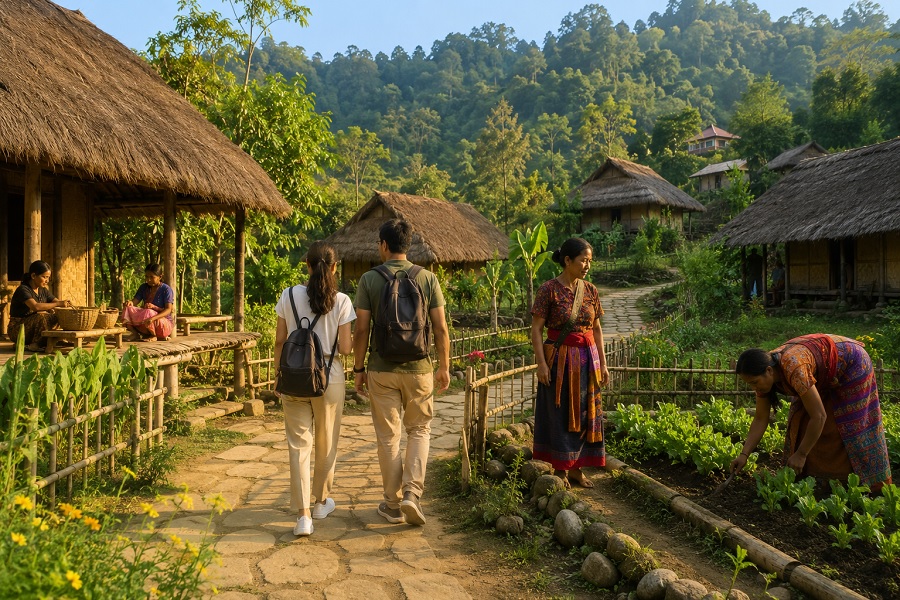
Village tourism has become an attractive option for travelers looking for authentic experiences away from crowded cities and commercial tourist destinations. Visitors can stay in rural homestays, participate in farming activities, taste traditional food, explore local crafts, walk through natural landscapes, and learn about community traditions.
When managed responsibly, village ecotourism can benefit both travelers and local residents. It can create employment opportunities, support small businesses, encourage conservation, and help preserve traditional knowledge and cultural practices.
What Is Village Ecotourism?
Village ecotourism combines rural tourism with environmentally responsible travel. It encourages visitors to experience village life while minimizing negative effects on nature and local communities.
Typical experiences may include:
Staying in locally operated homestays
Organic farming experiences
Village walking tours
Traditional cooking classes
Handicraft workshops
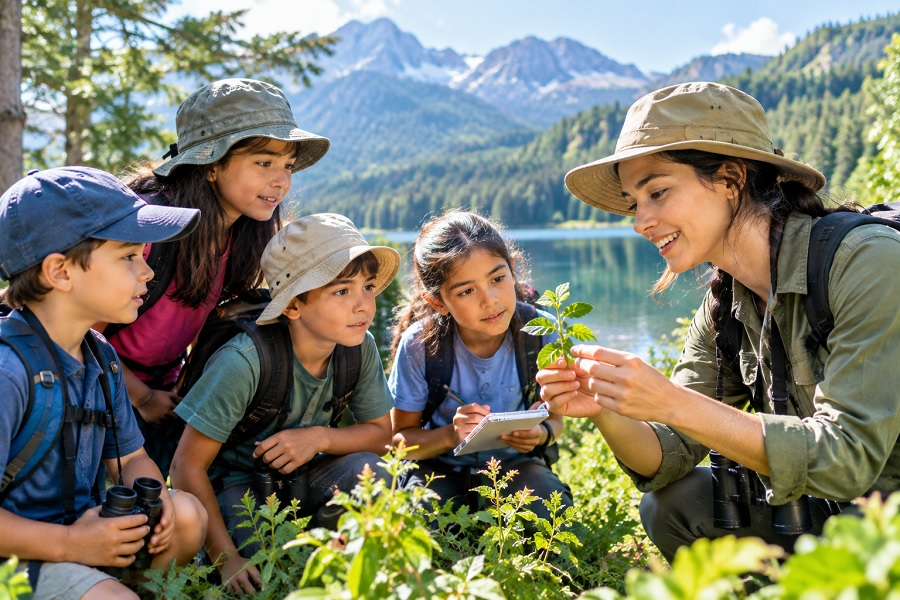
Birdwatching and nature walks
Cycling through rural landscapes
Traditional music and cultural performances
Visits to local farms
Learning about indigenous plants and agricultural practices
Why Village Ecotourism Is Growing
Travelers are increasingly interested in slower, more personal forms of tourism. Instead of simply visiting famous attractions, many want to understand how local communities live and connect with their environment.
Village ecotourism provides this opportunity. It allows visitors to experience everyday rural life while supporting locally owned tourism activities.
The experience can also be particularly appealing to families, couples, photographers, nature enthusiasts, students, and travelers interested in culture and sustainability.
Authentic Rural Experiences
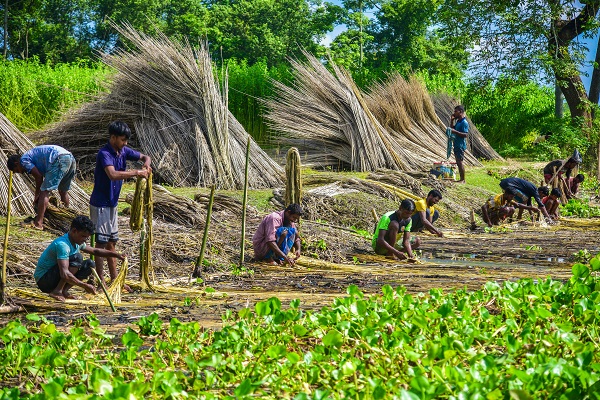
One of the biggest attractions of village ecotourism is authenticity. Visitors may begin their day with a walk through agricultural fields, help prepare a traditional breakfast, or learn how local artisans make handmade products.
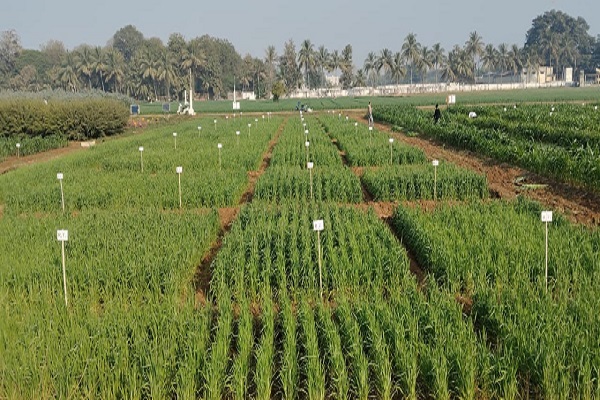
Farm visits can introduce travelers to seasonal crops, traditional irrigation systems, livestock management, and sustainable agricultural techniques. Such experiences create a stronger connection between visitors and the destination.
Traditional Food and Village Cuisine
Food is an important part of rural tourism. Village communities often preserve recipes that have been passed from one generation to another.
Travelers can participate in cooking demonstrations, collect fresh ingredients from local farms, and enjoy traditional meals prepared by village families. Local food experiences can also support farmers, home-based businesses, and small food producers.
Handicrafts and Local Skills
Many villages are home to talented artisans producing pottery, textiles, baskets, woodwork, paintings, jewelry, and other handmade products.
Ecotourism can help provide additional markets for these products. Travelers can visit workshops, learn traditional techniques, and purchase locally made items directly from artisans.
This approach can contribute to the preservation of traditional crafts while providing additional income for rural households.
Nature and Wildlife Experiences
Villages located near forests, wetlands, mountains, rivers, grasslands, and agricultural landscapes can offer excellent opportunities for nature-based activities.
Depending on the destination, visitors may enjoy:
Birdwatching
Forest walks
Butterfly observation
Sunrise and sunset walks
Nature photography
Cycling
Hiking
River-side activities
Botanical exploration
Visitors should follow local guidelines and avoid disturbing wildlife or damaging natural habitats.
Sustainable Accommodation
Village homestays and small eco-lodges can provide a more sustainable alternative to large resorts. Locally operated accommodation keeps more tourism revenue within the community.
Sustainable properties may use solar energy, rainwater harvesting, waste segregation, locally sourced food, natural ventilation, and traditional construction methods.
Benefits for Local Communities
Responsible village ecotourism can generate income through accommodation, guiding, food services, transportation, handicrafts, agricultural experiences, and cultural activities.
It can also encourage young people to explore employment opportunities within their communities instead of moving to cities solely for work.
When local residents participate in planning and decision-making, tourism development is more likely to reflect community priorities.
Environmental Conservation
Environmental responsibility should remain at the center of ecotourism. Villages can introduce initiatives such as waste reduction, plastic-free tourism, water conservation, renewable energy, tree planting, and protection of local habitats.
Visitors also have an important role. Carrying reusable bottles, avoiding single-use plastics, respecting wildlife, conserving water, and taking waste back to designated disposal points can reduce the environmental impact of travel.
Best Activities for Village Ecotourism
Travelers can make their rural trip more engaging by participating in activities such as:
Village heritage walks
Organic farming experiences
Traditional cooking sessions
Pottery workshops
Local textile demonstrations
Cycling tours
Birdwatching
Nature photography
Fishing with local guidance
Traditional music and dance experiences
Farm-to-table meals
Local market visits
Sunrise walks
Rural camping
Community storytelling sessions
Tips for Responsible Village Tourism
Travelers should respect local customs, traditions, privacy, and religious practices. Asking permission before photographing people is important, particularly in small communities.
It is also better to purchase locally produced goods, hire local guides, eat at community-run establishments, and choose locally owned accommodation whenever possible.
Avoiding excessive bargaining with small artisans and respecting local prices can also help ensure that tourism provides fair economic benefits.
The Future of Village Ecotourism
The future of village ecotourism is closely connected to responsible travel. As travelers search for meaningful experiences, rural communities have an opportunity to develop tourism while protecting their natural and cultural resources.
Digital platforms can also help small villages reach new audiences, promote homestays, showcase handicrafts, and attract responsible travelers. However, growth should be carefully managed to prevent overcrowding, environmental damage, and the commercialization of local traditions.
Conclusion
Village Ecotourism Experiences provide a valuable way to explore rural landscapes, traditional cultures, local food, handicrafts, and community life. More importantly, responsible village tourism can create economic opportunities while encouraging environmental conservation and cultural preservation.
For travelers seeking authentic and sustainable journeys, village ecotourism offers an opportunity to slow down, connect with local communities, and discover destinations beyond conventional tourist attractions.