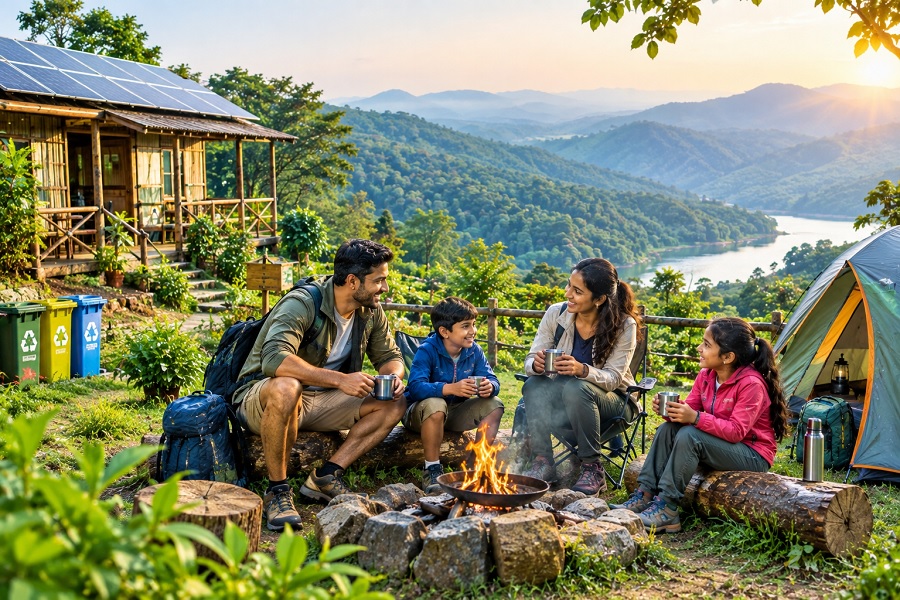
Eco-Friendly Backpacking Tourism

Eco-Friendly Backpacking Tourism is a sustainable way of traveling that combines adventure, nature exploration, and responsible environmental practices. It focuses on traveling light, spending less, and making choices that reduce harm to the environment while supporting local communities.
Understanding Eco-Friendly Backpacking Tourism
This form of tourism is based on the idea of minimal-impact travel. Backpackers carry essential belongings in lightweight bags and rely on budget-friendly and eco-conscious options such as public transport, walking, cycling, and shared stays. The aim is to explore destinations in a more natural and respectful way.
Core Principles of Sustainable Backpacking
Eco-friendly backpacking is guided by simple but powerful principles:
Avoiding single-use plastics by using reusable items
Choosing eco-certified stays like hostels, homestays, and green lodges
Respecting wildlife and natural ecosystems
Reducing carbon emissions by using low-impact transport
Supporting local food vendors, artisans, and small businesses
Importance of Eco-Friendly Backpacking
As global tourism grows, environmental pressure on destinations increases. Eco-friendly backpacking helps reduce pollution, waste, and overcrowding in sensitive areas. It also encourages cultural exchange and strengthens local economies, especially in rural and natural regions.
Activities Involved
Travelers who follow this approach often enjoy:
Trekking through mountains, forests, and coastal trails
Camping in designated eco-friendly zones
Exploring national parks and protected areas responsibly
Participating in community-based tourism
Learning local traditions and lifestyles
Benefits of This Travel Style
Lower travel expenses due to simple living and budget planning
Deeper connection with nature and local communities
Reduced environmental footprint
Improved physical and mental well-being
Greater travel freedom and flexibility
Responsible Travel Practices
Eco-friendly backpackers follow “leave no trace” principles. This means carrying back all waste, avoiding damage to natural surroundings, and respecting local customs and rules.
Conclusion
Eco-Friendly Backpacking Tourism is more than just a travel trend. It is a responsible way of exploring the world while protecting natural resources. It encourages travelers to enjoy meaningful experiences without harming the environment, making tourism more sustainable for future generations.