Dolphin Tourism and Conservation
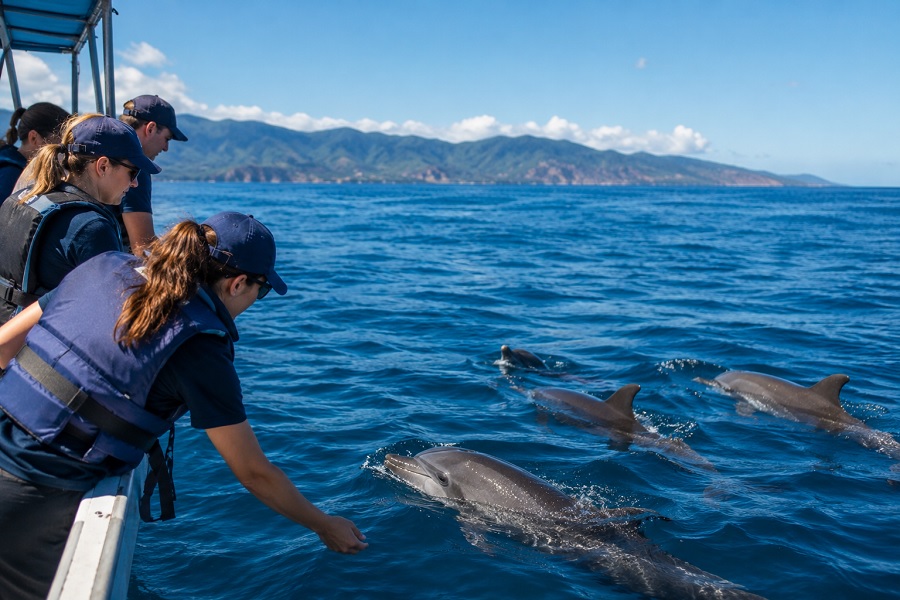
Dolphin Tourism and Conservation: Exploring Marine Life Responsibly
Dolphin tourism has become an increasingly popular form of marine and ecotourism, offering travelers the chance to observe dolphins in their natural environment. From boat-based dolphin watching to coastal wildlife excursions, these experiences can create a strong connection between people and the ocean. When managed responsibly, dolphin tourism can also support conservation awareness, local livelihoods, and the protection of marine habitats.
However, the popularity of dolphin experiences also creates important responsibilities. Boats, noise, crowding, feeding, and close interactions can disturb wild dolphins and affect their natural behavior. Responsible tourism therefore needs to put the welfare of dolphins and the health of their marine environment ahead of the desire for close encounters or photographs. NOAA, for example, recommends observing dolphins from a safe distance, avoiding feeding or touching them, and following local regulations, which can vary by location and species.
Understanding Dolphin Tourism
Dolphin tourism generally involves organized trips where visitors travel by boat to observe dolphins in the wild. These excursions can take place in coastal waters, bays, estuaries, and other marine habitats where dolphin populations are regularly seen.
A responsible dolphin-watching trip should focus on observation rather than interaction. Travelers can enjoy watching dolphins surface, travel in groups, or display natural behaviors without attempting to chase, touch, feed, or attract them.
The best experiences often combine wildlife viewing with information about marine ecosystems. Knowledgeable guides can explain dolphin behavior, local biodiversity, conservation challenges, and the importance of protecting the ocean.
Why Dolphin Conservation Matters
Dolphins are an important part of marine ecosystems, but they face numerous pressures, including habitat degradation, pollution, fishing-related threats, underwater noise, and boat traffic. Protecting dolphins therefore also means protecting the broader marine environment in which they live.
Tourism can contribute positively when it creates economic incentives for communities to protect marine habitats. IUCN has highlighted the potential for marine wildlife tourism to support conservation and local livelihoods, while also noting that poorly managed dolphin-watching activities can create problems for animals and their habitats. Its work in Goa, India, included efforts to promote more sustainable dolphin-watching practices and build awareness among boat operators.
Responsible Dolphin-Watching Practices
Travelers can make a significant difference by choosing ethical operators and following responsible wildlife-viewing practices.
Some important principles include:
Maintain a respectful distance from dolphins.
Never feed wild dolphins.
Avoid touching, chasing, or attempting to swim with wild dolphins.
Follow local marine wildlife regulations.
Choose operators that follow recognized wildlife-watching guidelines.
Avoid tours that deliberately provoke or manipulate animal behavior.
Keep noise levels low around wildlife.
Do not throw plastic or waste into the ocean.
Respect marine protected areas and restricted zones.
Follow the instructions of trained guides and local authorities.
For example, NOAA's general guidance recommends staying at least 50 yards from dolphins and porpoises when viewing them from watercraft, although local rules may require greater distances. Travelers should always check the regulations that apply to the specific destination.
Choosing an Ethical Dolphin Tourism Operator
Selecting the right tour operator is one of the most important decisions travelers can make. A responsible operator should prioritize animal welfare and conservation rather than promising guaranteed close encounters.
Before booking a trip, travelers can ask:
Does the company follow local wildlife regulations?
Does it maintain an appropriate distance from dolphins?
Does it prohibit feeding and touching?
Are boat drivers trained in responsible wildlife observation?
Does the company support local conservation programs?
Does the tour educate visitors about marine ecosystems?
Does the operator limit the number of boats around wildlife?
Responsible wildlife-viewing organizations emphasize keeping wildlife encounters non-invasive and respecting animals in their natural habitats. NOAA also advises visitors to choose operators that follow responsible wildlife-viewing principles.
Dolphin Tourism and Local Communities
Dolphin tourism can provide economic opportunities for coastal communities. Boat operators, guides, accommodation providers, restaurants, transport services, and local businesses can all benefit from visitors interested in marine wildlife.
When tourism revenue is connected to conservation, communities may have stronger incentives to protect dolphins and their habitats. However, this requires effective management. Too many boats, poorly regulated tourism, or excessive pressure on popular viewing locations can reduce the benefits and increase environmental impacts.
Community participation is therefore essential. Local residents, fishermen, tourism businesses, conservation organizations, and government agencies can work together to create guidelines that protect wildlife while maintaining sustainable tourism opportunities.
The Importance of Marine Habitat Protection
Dolphin conservation cannot be separated from ocean conservation. Healthy marine ecosystems provide dolphins with food, shelter, and suitable breeding environments.
Travelers can support marine conservation by reducing single-use plastic, avoiding activities that damage coral reefs, respecting protected areas, and choosing accommodation providers with credible environmental practices.
A dolphin-watching excursion can also become an educational experience. Visitors who learn about plastic pollution, sustainable fishing, marine biodiversity, and habitat protection may return home with a greater understanding of their role in protecting the ocean.
Dolphin Tourism in India
India has opportunities for dolphin-based tourism in several coastal regions. Goa, in particular, has been associated with dolphin-watching activities and conservation discussions. The experience can be attractive to visitors because it combines marine wildlife observation with coastal tourism.
At the same time, the growth of dolphin-watching activities demonstrates why responsible management is necessary. IUCN's work in Goa has highlighted the need for sustainable practices, awareness among boat operators, and appropriate regulatory frameworks for marine wildlife tourism.
For India's coastal destinations, the long-term goal should be to develop dolphin tourism that benefits local communities while minimizing disturbance to wildlife.
The Future of Dolphin Tourism and Conservation
The future of dolphin tourism depends on finding the right balance between tourism demand and wildlife protection. Technology may help improve monitoring, visitor management, and scientific research, while better-trained guides can make wildlife experiences more educational and responsible.
The most successful dolphin tourism models are likely to focus less on guaranteed close encounters and more on respectful observation, conservation education, and community participation.
For travelers, seeing dolphins in the wild can be a memorable experience. The real success of dolphin tourism, however, should be measured not by how close visitors get to the animals, but by whether tourism helps ensure that dolphins continue to thrive in healthy oceans.
Dolphin tourism can be a powerful tool for connecting people with marine life. With responsible operators, informed travelers, effective regulations, and strong conservation programs, tourism can help transform admiration for dolphins into meaningful action for the protection of marine ecosystems.