Discovering Cultural Heritage Through Traditional Architecture Ecotours CommunityTourism
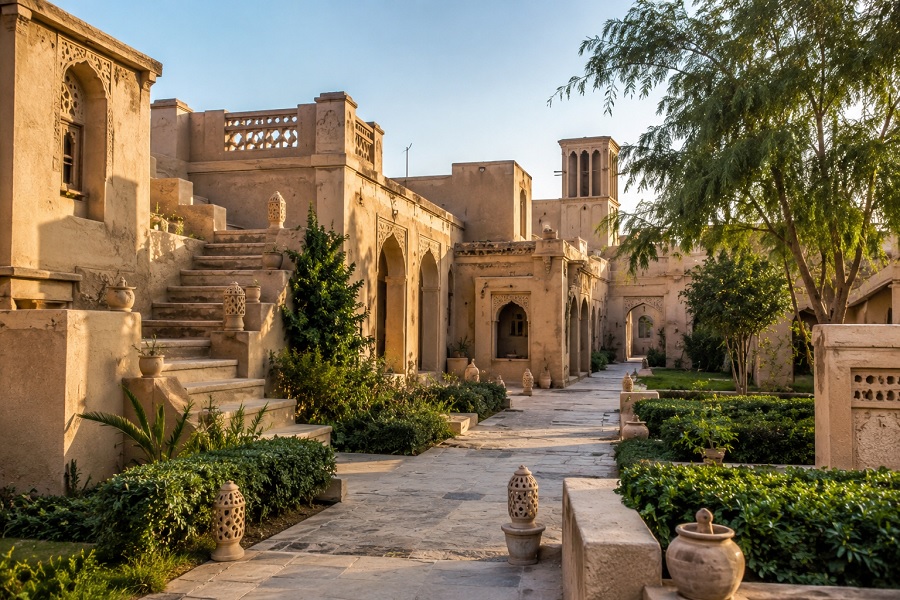
Traditional Architecture Ecotours: Exploring Heritage, Culture and Sustainable Design
Traditional Architecture Ecotours offer travelers an opportunity to discover historic buildings, traditional homes, heritage villages, temples, forts, palaces, old marketplaces, and culturally significant landscapes while supporting responsible tourism and conservation.
These experiences go beyond ordinary sightseeing. They help visitors understand how local communities developed buildings suited to their climate, environment, available materials, cultural traditions, and everyday lifestyles. From naturally ventilated homes to stone villages and timber structures, traditional architecture can reveal valuable lessons about sustainable living.
What Are Traditional Architecture Ecotours?
Traditional Architecture Ecotours are sustainable cultural tourism experiences centered around historic and locally developed architectural styles. Travelers may explore traditional neighborhoods, rural settlements, heritage properties, historic city centers, religious structures, craft villages, and architectural landmarks.
A typical tour can combine architecture with:
Heritage walks
Local food experiences
Traditional craft demonstrations
Village visits
Photography
Cultural storytelling
Nature walks
Heritage homestays
Traditional construction workshops
Local community interactions
The focus is on experiencing architecture while respecting the environment, local culture, and communities.
Why Traditional Architecture Is Important
Traditional architecture represents the knowledge and creativity of earlier generations. Buildings were often designed around local weather conditions and available resources.
Features such as courtyards, shaded verandas, thick walls, small openings, raised platforms, natural ventilation, locally sourced materials, and rainwater systems can demonstrate how communities adapted their buildings to their surroundings.
UNESCO recognizes traditional and vernacular heritage as an important part of cultural identity and emphasizes the importance of conserving heritage while supporting sustainable development.
Major Experiences in Traditional Architecture Ecotours
1. Heritage Village Walks
Heritage village walks allow travelers to explore traditional houses, community spaces, temples, agricultural areas, wells, narrow streets, and historic gathering places.
Local guides can explain the history and architectural features of the village while sharing stories about traditional lifestyles.
2. Traditional Home Visits
Visitors can experience the layout, materials, decorative elements, furniture, courtyards, and household traditions of historic homes.
Such visits should always respect residents' privacy and take place with appropriate permission.
3. Historic City Architecture Tours
Historic cities often contain layers of architectural history. Walking through old neighborhoods can reveal traditional gateways, markets, mansions, religious buildings, streets, courtyards, and commercial structures.
Walking tours also provide a lower-impact way to explore urban heritage.
4. Heritage Homestays
Traditional homes converted into carefully managed homestays can provide an authentic cultural experience while generating income for local families.
Guests can experience regional architecture while enjoying traditional meals, local customs, and community hospitality.
5. Traditional Construction Workshops
Some destinations offer educational workshops covering traditional building techniques such as stone masonry, mud construction, timber work, bamboo construction, lime plastering, tile making, and decorative craftsmanship.
These activities can help preserve knowledge that might otherwise disappear.
6. Architecture Photography Tours
Traditional architecture offers excellent opportunities for photography. Travelers can capture doors, windows, courtyards, roofs, wall textures, streets, decorative patterns, and building details.
Responsible photography means asking permission when photographing people or private properties and following site-specific restrictions.
7. Traditional Craft Experiences
Architecture is often closely connected with local crafts. Wood carving, stone carving, pottery, metalwork, painting, weaving, and decorative arts can all contribute to the identity of a traditional building.
Supporting local artisans through legitimate purchases can help maintain these skills.
Traditional Architecture and Ecotourism
Traditional architecture can contribute to sustainable tourism because many historic structures were developed using locally available resources and climate-responsive techniques.
For example, buildings in hot climates may incorporate shaded spaces, courtyards, thick walls, natural ventilation, and locally appropriate materials. In colder regions, building orientation, insulation, compact layouts, and material choices may help retain warmth.
Modern tourism projects can learn from these traditional principles while combining them with contemporary safety, accessibility, and energy-efficiency standards.
Community Benefits
Traditional Architecture Ecotours can create economic opportunities for communities living around heritage destinations.
Tourism spending can support:
Local guides
Heritage homestays
Artisans
Restaurants
Cultural performers
Small businesses
Local transportation
Conservation workers
Craft cooperatives
Community organizations
Community participation is particularly important because residents are often the custodians of living heritage.
Traditional Architecture Ecotours in India
India offers enormous potential for traditional architecture tourism because of its diverse regional building traditions.
Travelers can explore:
Traditional Rajasthani havelis
Kerala's traditional homes
Himachali wooden architecture
Gujarati heritage houses
Bengal's historic architecture
Maharashtra's traditional village structures
South Indian temple architecture
Ladakh's earthen and stone buildings
Historic stepwells
Heritage forts
Traditional craft villages
Old city neighborhoods
Destinations such as Jaipur, Jaisalmer, Ahmedabad, Hampi, Kochi, Varanasi, Udaipur, Mysuru, and several rural heritage regions offer opportunities to experience different architectural traditions.
Sustainable Practices for Architecture Ecotours
Travelers can make these experiences more responsible by following simple practices:
Respect historic buildings and monuments.
Never remove architectural materials or heritage objects.
Follow designated visitor routes.
Avoid touching fragile surfaces.
Ask permission before photographing residents.
Support local businesses.
Hire local guides whenever possible.
Choose responsible accommodation.
Avoid unnecessary plastic waste.
Carry a reusable water bottle.
Use walking, cycling, and public transport where practical.
Respect religious and cultural customs.
Follow conservation guidelines.
Avoid overcrowding sensitive locations.
Purchase authentic locally produced crafts.
Best Time for Traditional Architecture Ecotours
The ideal season depends on the destination. Pleasant weather is generally preferable for walking tours, particularly when exploring outdoor heritage areas.
Travelers should also consider local festivals and cultural events. Visiting during an appropriate festival can provide opportunities to experience traditional architecture alongside food, music, crafts, rituals, and community celebrations.
However, visitors should avoid contributing to excessive crowding at fragile heritage sites during peak periods.
Technology and Traditional Architecture Tourism
Technology is creating new ways to experience architectural heritage.
Digital maps, audio guides, augmented reality, 3D models, virtual reconstructions, QR-based information systems, and interactive storytelling can help visitors understand how historic buildings looked and functioned in the past.
These tools can also reduce the need for physical interaction with fragile structures.
Challenges Facing Traditional Architecture
Traditional architecture faces several challenges, including:
Urban development
Neglect of historic buildings
Loss of traditional construction skills
Changing lifestyles
Extreme weather
Climate-related risks
Unsuitable modern renovations
Over-tourism
Commercialization
Lack of conservation funding
Responsible tourism can contribute to preservation, but tourism itself must be carefully managed so that visitor activity does not damage the heritage it is intended to showcase.
Future of Traditional Architecture Ecotours
The future of this tourism segment is likely to focus increasingly on conservation, local participation, sustainable mobility, digital interpretation, climate resilience, and authentic experiences.
Travelers are becoming more interested in meaningful journeys that connect them with local communities rather than simply visiting popular attractions. Traditional Architecture Ecotours can meet this demand by combining cultural discovery with responsible tourism.
The strongest experiences will be those where tourism revenue supports conservation and communities while visitors gain a deeper understanding of architectural traditions.
Conclusion
Traditional Architecture Ecotours provide a meaningful way to explore the relationship between architecture, culture, history, people, and nature.
From heritage villages and traditional homes to historic cities and artisan communities, these tours can help travelers appreciate the knowledge embedded in traditional buildings. When responsibly managed, they can also support local employment, preserve traditional skills, encourage conservation, and strengthen cultural identity.
Traditional architecture is more than a collection of old buildings. It is a record of how communities lived, built, adapted, celebrated, and interacted with their environment. Sustainable ecotours can help ensure that this valuable heritage remains meaningful and accessible for future generations.