Automobiles Sector update : Improved demand and better utilization boost CV outlook by Motilal Oswal Financial Services Ltd

We hosted a call with a large fleet operator from Maharashtra who owns a fleet of about 200 vehicles. Below are the key takeaways from the interaction.
* GST 1.0 vs. GST 2.0: When GST was first implemented, it led to significant prebuying of vehicles, even when underlying demand did not fully justify it, as operators realized they were getting good input tax credit (ITC); under GST 1.0, the tax was 28% on vehicles and 12% on services. The after-effects of this prebuying are still visible, with liquidity constraints in the system for a few operators. Under GST 2.0, the situation has almost reversed, as GST on freight has now increased to 18% and GST on new vehicles has decreased to 18%. So now, they are paying more and getting less GST credit than GST 1.0. Hence, a lot of fleet operators now seem to be contemplating moving out of GST credit net and paying GST via the reverse charge mechanism.
* Unorganized vs. organized: After GST 1.0, given that fleet operators got significant ITC, which unorganized players could not avail as they were out of the tax net, organized players benefitted a lot more than unorganized players under GST 1.0, which started driving industry consolidation in favor of large operators. However, after GST 2.0, the balance has shifted back, and now even small fleet operators see merit in remaining relevant in the industry.
* Axle load norms vs. curbs on overloading: When axle load norms were introduced about five years ago, the industry saw a ~20% increase in capacity. However, it led to increased curbs on national highways for overloading. These two largely balanced each other with the net benefit for the operator in improving efficiency after GST and improved road network.
* Sectoral demand trends, fleet utilization and capex decisions: Around 40-45% of CV demand is linked to infrastructure projects. As per the expert, demand from this sector is booming currently in Maharashtra. A pickup in e-commerce is another structural growth driver, with strong growth in both first-mile (MHCV) and last-mile (LCV) logistics. Improved demand has led to an increase in utilization for this expert to almost 95% since Nov’25, which has, in turn, prompted fresh buying decisions. This decision was also supported by lower EMI. To cite an example, this expert, who owns a fleet of 200 vehicles, has already bought 10 vehicles and ordered another five from Dec’25 till now. These 15 vehicles he would have otherwise bought over a year’s time. Demand and costs are the two key factors that drive these operators’ purchase decisions. While demand has picked up, costs have started reducing given EMI reductions. For instance, for a particular truck type, if he was paying an EMI of INR120k earlier, he is now paying INR99k with a reduction in interest rates. Both these factors have triggered the purchase decision for this fleet operator.
* Freight rates have remained stable over the years for the infrastructure sector.
* Profitability Trends: Fleet operators’ profitability has been volatile in FY26. In fact, this expert indicated that he had better profitability in FY25 than in FY26 because early/extended monsoon slowed infra activity in FY26, and the operators hardly recovered the loss that occurred during this period.
* Operational efficiency drivers: The introduction of mandatory air-conditioned cabins wef Oct’25 has led to a surprising improvement in fleet efficiency. Given the improved work environment, trucks are now seen running 25-30% more than the normal running cycle as the driver can run longer distance at one go relative to earlier. This has helped to improve the turnaround time for long-haul operators and hence improved profitability. This, coupled with improved road conditions, has improved both hub-to-hub and hub-to-market efficiencies for fleet operators.
* Average age set to rise in coming years: With the improvement in technology after BS6 and improved quality of trucks, the average lifespan of a truck has started rising from 5-6 years earlier to more than 8 years. This avg age is set to rise again when all pre-BS4 vehicles are replaced by new trucks. For instance, this operator had 10% of his vehicles that were 8-10 years old. Further, the implementation of a lucrative scrappage policy by the government may drive strong and sustainable replacement demand, as per the expert.
* Technology adoption: OEM-driven telematics solutions integrated with OBD systems provide improved vehicle diagnostics and operational insights. However, these are not the key determinants for driving purchase decisions. The key monitorable for any truck operator is the diesel consumption, and there is no realistic solution developed yet to monitor the excess diesel consumption currently.
* DFC impact: The implementation of DFC on the Western Corridor is certainly impacting truck demand for bulk freight (including automobiles), which is seeing a marked shift toward railways. However, the last-mile transport will still happen via CVs. Moreover, the start and the end points of DFC need to be well prepared to manage the sharp rise in freight traffic and for storing the same if need be. Hence, the real impact of DFC may be visible once adequate infrastructure is fully in place to handle the rise in traffic.
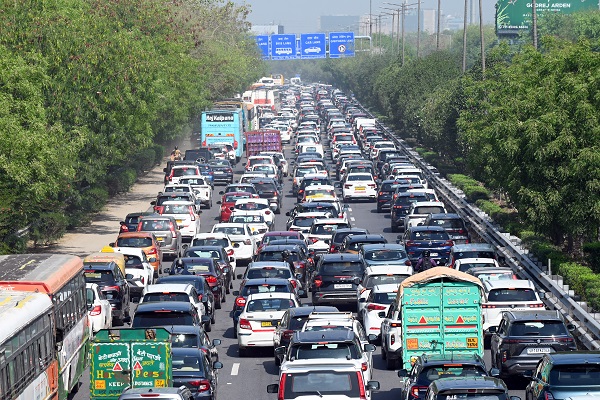
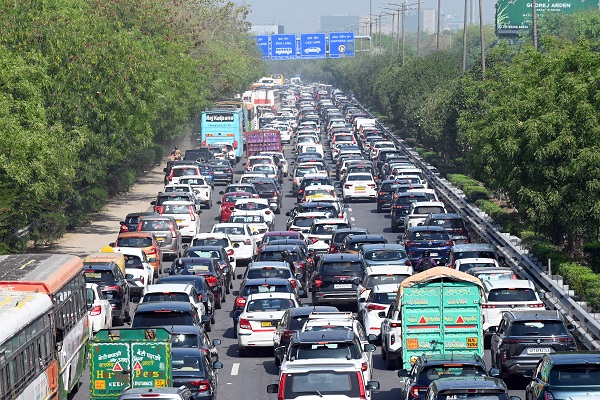
* Driver availability challenges: The industry continues to face a structural shortage of drivers. Requirements such as a minimum 12th-grade qualification for heavy vehicle licenses and the stigma associated with the profession limit the entry of new drivers. Existing drivers discourage their second generation from becoming a driver. As a result, there is an acute shortage of drivers in the industry. Urban traffic congestion and accident-related disruptions further reduce availability for in-city and last-mile mobility efficiency.
* Cost structure: Key cost metrics for fleet operator: diesel ~40-45%, EMIs ~20%, driver 10-12%, and tyres 5-6%. Other expenses include toll expenses, which have risen significantly in recent years.
* Tyre and maintenance trends: Higher average kilometers driven will likely lead to increased replacement demand for tyres in the coming years. However, improved road quality has moderated excessive wear and tear of tyres. Fleet operators usually look to have an optimum mix of new and old tyres within a truck that delivers optimum fuel efficiency
For More Research Reports : Click Here
For More Motilal Oswal Securities Ltd Disclaimer
http://www.motilaloswal.com/MOSLdisclaimer/disclaimer.html
SEBI Registration number is INH000000412