Augmented Reality in Museums: Transforming the Visitor Experience
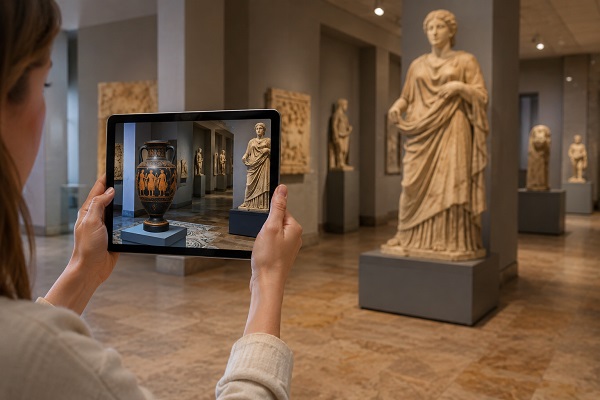
Museums have long served as gateways to history, culture, science, and art. However, as technology continues to evolve, museums are embracing innovative ways to engage modern audiences. One of the most exciting advancements in this space is Augmented Reality (AR). By blending digital content with the physical environment, AR is revolutionizing how visitors interact with exhibits, making museum experiences more immersive, educational, and memorable.
What is Augmented Reality?
Augmented Reality is a technology that overlays digital information such as images, animations, videos, and 3D models onto the real world through smartphones, tablets, or AR glasses. Unlike Virtual Reality (VR), which creates a completely digital environment, AR enhances the existing physical surroundings, allowing visitors to explore exhibits with added layers of information and interactivity.
Enhancing Visitor Engagement
Traditional museum displays often rely on text panels and static exhibits. AR transforms these displays into dynamic experiences. Visitors can point their devices at artifacts to see animations, historical reconstructions, or detailed explanations. This interactive approach captures attention and encourages deeper exploration, particularly among younger audiences who are accustomed to digital experiences.
For example, a dinosaur skeleton can be brought to life through AR, showing how the creature moved and behaved millions of years ago. Similarly, historical artifacts can reveal their original appearance and context, helping visitors better understand their significance.
Bringing History to Life
One of the most powerful applications of AR in museums is historical storytelling. Ancient ruins, damaged artifacts, and historical scenes can be digitally reconstructed, allowing visitors to see them as they once existed. This helps bridge the gap between imagination and reality.
Visitors exploring an ancient civilization exhibit can witness virtual recreations of cities, temples, and daily life activities. Such immersive storytelling enhances learning and creates a stronger emotional connection with history.
Improving Educational Outcomes
AR provides educational benefits by catering to different learning styles. Visual learners can benefit from 3D models and animations, while interactive features encourage hands-on exploration. Museums can offer quizzes, games, and guided tours through AR applications, making learning more engaging and effective.
Students visiting science museums can explore the human body, solar system, or complex machinery through interactive 3D simulations. These experiences help simplify difficult concepts and improve knowledge retention.
Accessibility and Inclusivity
Augmented Reality can make museums more accessible to diverse audiences. AR applications can provide multilingual content, audio descriptions for visually impaired visitors, and sign language support for hearing-impaired individuals. This ensures that more people can enjoy and understand museum exhibits regardless of their physical abilities or language preferences.
Personalized Museum Experiences
AR technology enables museums to offer customized tours based on visitor interests. Whether someone is interested in art, history, science, or specific collections, AR applications can create personalized pathways and recommend relevant exhibits. This tailored approach enhances visitor satisfaction and encourages longer engagement.
Challenges and Considerations
While AR offers numerous advantages, museums must address certain challenges. Developing and maintaining AR content can be costly and requires technical expertise. Museums must also ensure that technology enhances rather than distracts from the exhibits themselves. Additionally, user-friendly design is essential to ensure visitors of all ages can comfortably use AR applications.
The Future of Museums
As AR technology becomes more affordable and sophisticated, its adoption in museums is expected to grow rapidly. Future innovations may include wearable AR glasses, AI-powered virtual guides, and highly interactive exhibitions that respond to visitor behavior in real time. These developments will further blur the boundaries between physical and digital experiences.
Conclusion
Augmented Reality is transforming museums into interactive learning environments where history, science, and art come alive. By enhancing engagement, improving education, increasing accessibility, and creating personalized experiences, AR is helping museums remain relevant in the digital age. As technology continues to evolve, Augmented Reality will play an increasingly important role in shaping the future of cultural and educational institutions worldwide.

.jpg)