Wildlife Safari Tourism: Balancing Adventure and Conservation
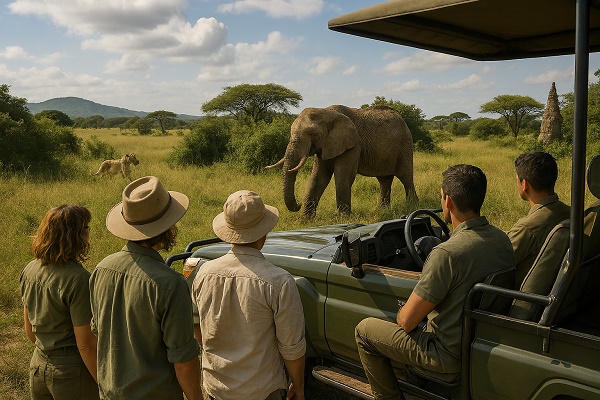
Wildlife safari tourism offers travelers an extraordinary chance to experience nature’s wonders up close — from majestic lions prowling the savannah to elephants roaming the forests. It’s an adventure that ignites awe and appreciation for the natural world. However, this thrilling experience also comes with great responsibility. Balancing the excitement of wildlife safaris with the need for conservation is crucial to protect fragile ecosystems and endangered species.
The Allure of Wildlife Safari Tourism
For many, a safari is a once-in-a-lifetime journey to witness wildlife in their natural habitats. Popular safari destinations like Kenya’s Maasai Mara, Tanzania’s Serengeti, South Africa’s Kruger National Park, and India’s Ranthambore Tiger Reserve draw millions eager to glimpse exotic animals and vibrant landscapes. Safaris promote awareness and foster a deeper connection between humans and the environment, inspiring travelers to support conservation efforts.
The Conservation Challenge
While safari tourism can generate substantial funding for wildlife protection and local communities, unregulated tourism can cause stress to animals, habitat degradation, and disruption of natural behaviors. Noise pollution, overcrowding, and irresponsible interaction threaten the very wildlife tourists come to see. Thus, sustainable safari practices are essential to minimize the impact on ecosystems.
Strategies for Sustainable Safari Tourism
Regulated Visitor Numbers: Limiting the number of tourists helps reduce environmental pressure and prevents overcrowding in sensitive areas.
Guided Tours with Trained Professionals: Skilled guides ensure respectful wildlife viewing, educate visitors on ecology, and enforce safety protocols.
Eco-Friendly Vehicles and Practices: Using low-impact transportation and avoiding off-road driving protects habitats and reduces pollution.
Community Engagement: Involving local communities in tourism ensures economic benefits and promotes stewardship of natural resources.
Supporting Conservation Programs: Tourists can contribute through park fees and donations that fund anti-poaching initiatives and habitat restoration.
The Role of Tourists
Visitors also play a pivotal role in conservation. Responsible behavior, such as maintaining safe distances, avoiding feeding or disturbing animals, and adhering to park rules, preserves wildlife health and safety. Choosing eco-certified safari operators and staying informed about conservation challenges enhances the positive impact of travel.
Conclusion
Wildlife safari tourism is a powerful platform to connect people with nature, but it must be managed responsibly. By balancing adventure with conservation, safaris can safeguard biodiversity and enrich the lives of future generations. Traveling with respect and awareness ensures that the roar of the lion and the trumpet of the elephant continue to echo across wild landscapes for years to come.