Marine Ecotourism: Saving Oceans Through Responsible Travel
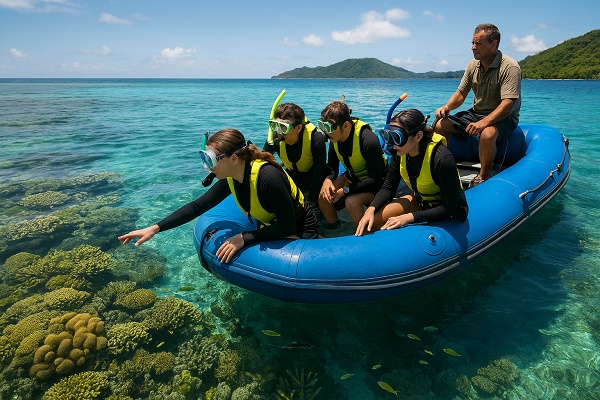
The vast oceans cover more than 70% of our planet, harboring diverse ecosystems that are vital to Earth's health and human well-being. From coral reefs teeming with vibrant life to the majestic migrations of whales, marine environments offer some of the most breathtaking experiences for travelers. However, these fragile ecosystems face mounting threats from pollution, climate change, overfishing, and habitat destruction. This is where marine ecotourism plays a crucial role—not just as a way to explore the underwater world but as a powerful tool to promote ocean conservation and responsible travel.
What is Marine Ecotourism?
Marine ecotourism refers to sustainable travel focused on exploring coastal and ocean environments while minimizing environmental impact and fostering awareness about marine conservation. Unlike mass tourism, which often degrades natural habitats, marine ecotourism emphasizes education, respect for wildlife, and support for local communities.
Activities include snorkeling, scuba diving, whale watching, kayaking, and guided tours of marine reserves and sanctuaries. These experiences are designed to connect travelers with the ocean’s beauty while encouraging responsible behavior that protects marine life.
Why Marine Ecotourism Matters
Oceans provide critical ecosystem services: regulating climate, producing oxygen, supporting fisheries, and sustaining coastal livelihoods. However, human activities have severely impacted marine health. Coral bleaching, plastic pollution, and declining fish populations threaten biodiversity and the communities depending on them.
Marine ecotourism offers a sustainable alternative by:
Generating Conservation Funding: Entrance fees and eco-tourism revenues often fund marine protected areas and conservation projects.
Raising Awareness: Educating travelers about ocean issues inspires advocacy and environmentally friendly choices.
Supporting Local Communities: Encouraging community-led initiatives reduces harmful practices like overfishing and promotes sustainable livelihoods.
Promoting Scientific Research: Ecotourism programs often collaborate with scientists for monitoring and preserving marine ecosystems.
Best Practices for Responsible Marine Ecotourism
To truly protect our oceans, travelers and operators must adhere to responsible guidelines:
Respect Wildlife: Maintain safe distances from marine animals and avoid touching corals or disturbing habitats.
Avoid Single-Use Plastics: Carry reusable water bottles and refuse plastic bags or straws.
Choose Eco-Friendly Operators: Select tour providers committed to sustainability certifications and local community support.
Follow Local Regulations: Abide by guidelines for marine parks, including fishing restrictions and no-anchor zones.
Practice “Leave No Trace”: Never litter or leave behind waste in marine environments.
Top Marine Ecotourism Destinations
Many destinations worldwide excel in marine ecotourism, including:
The Great Barrier Reef, Australia: The world's largest coral reef system, offering guided snorkeling and diving.
Galápagos Islands, Ecuador: Famous for unique wildlife and conservation-focused tours.
The Maldives: Known for pristine waters and community-based marine protection efforts.
Palawan, Philippines: Offers sustainable island hopping and coral reef exploration.
Andaman and Nicobar Islands, India: Emerging as a responsible marine tourism hotspot with rich biodiversity.
The Future of Marine Ecotourism
As awareness grows, marine ecotourism is becoming a key pillar in global ocean conservation efforts. Innovations like virtual marine tours, citizen science diving programs, and stricter eco-certifications are helping reduce tourism's footprint while enhancing its positive impact.
Travelers hold immense power to protect the oceans by choosing responsible marine experiences. By embracing marine ecotourism, we not only create unforgettable memories but also become guardians of the blue planet for generations to come.