Why is it important to soak rice before cooking? Learn its health benefits.
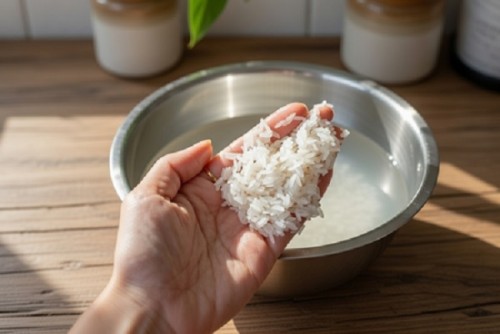
Rice is a staple food in millions of households, especially in countries like India where it forms the foundation of daily meals. While most of us rinse rice before cooking, soaking it for a few hours is a traditional practice that carries significant health and culinary benefits. From improving digestion to enhancing nutrient absorption, soaking rice can make a noticeable difference in both taste and wellness.
Let’s explore why soaking rice before cooking is important and how it benefits your health.
1. Improves Digestion
Soaking rice helps break down starches, making it easier for the body to digest. When rice is soaked, some of the complex starch molecules begin to soften and break down. This reduces the load on your digestive system and may help prevent bloating and heaviness after meals.
For people who experience gas or indigestion after eating rice, soaking can be particularly helpful.
2. Reduces Phytic Acid (Improves Nutrient Absorption)
Rice, especially brown rice, contains phytic acid, an anti-nutrient that can bind to essential minerals like iron, zinc, and calcium. This binding reduces the body’s ability to absorb these nutrients.
Soaking rice helps lower phytic acid levels, thereby improving mineral bioavailability. This is especially beneficial in vegetarian diets where mineral intake already requires careful planning.
3. Helps Control Blood Sugar Levels
Soaking rice can slightly reduce its starch content, particularly excess surface starch. While it does not dramatically change the glycemic index, it may contribute to better blood sugar management when combined with healthy cooking methods and portion control.
For individuals managing diabetes or insulin resistance, soaking rice is a small but helpful step toward mindful eating.
4. Enhances Texture and Taste
From a culinary perspective, soaked rice cooks more evenly. The grains absorb water beforehand, which allows them to expand properly during cooking. The result?
Fluffier rice
Separate, non-sticky grains
Better aroma and texture
This is especially important when cooking basmati or long-grain varieties used in dishes like biryani or pulao.
5. Reduces Cooking Time
When rice is pre-soaked for 20–30 minutes (or longer for brown rice), it requires less time on the stove. Shorter cooking time helps preserve nutrients and can save energy.
Brown rice, in particular, benefits greatly from soaking as it softens the outer bran layer, making it cook faster and more evenly.
6. May Help Reduce Arsenic Content
Rice naturally absorbs more arsenic from soil compared to other grains. While soaking alone does not eliminate arsenic completely, soaking and rinsing thoroughly before cooking can help reduce surface contaminants.
For better results, combine soaking with cooking rice in excess water and draining it afterward.
7. Supports Gut Health
Traditional food wisdom suggests soaking grains before cooking enhances their digestibility. The soaking process may activate certain enzymes that support easier breakdown of carbohydrates, promoting smoother digestion and improved gut comfort.
How Long Should You Soak Rice?
White rice: 20–30 minutes is sufficient.
Basmati rice: 30 minutes for best texture.
Brown rice: 2–4 hours (or even overnight for softer results).
After soaking, discard the water and rinse once more before cooking.
Final Thoughts
Soaking rice before cooking is a simple yet powerful habit that improves digestion, enhances nutrient absorption, reduces cooking time, and elevates texture and taste. While it may seem like an extra step, the health and culinary benefits make it worthwhile.