Screen Time and Its Hidden Health Consequences in the Digital Age

In today’s technology-driven world, screens have become an unavoidable part of daily life. From smartphones and laptops to televisions and tablets, people spend several hours each day connected to digital devices. While technology has improved communication, education, and productivity, excessive screen time is creating hidden health consequences that are becoming a growing concern worldwide.
Rise of Screen Dependency
Modern lifestyles heavily depend on screens for work, entertainment, shopping, and social interaction. Many people begin their day by checking smartphones and end it by scrolling through social media or watching videos. This constant digital exposure has significantly increased average daily screen time across all age groups.
Children, teenagers, and working professionals are especially vulnerable due to online learning, remote work, gaming, and social media usage.
Eye Strain and Vision Problems
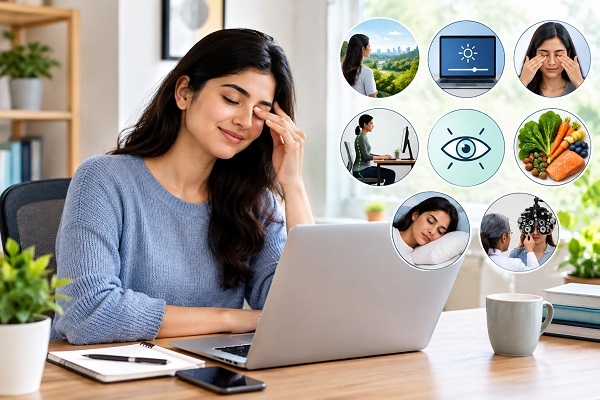
One of the most common effects of excessive screen time is digital eye strain. Staring at screens for long periods can cause:
- Dry eyes
- Blurred vision
- Headaches
- Eye fatigue
Blue light emitted from screens may also affect sleep quality by disrupting melatonin production, making it harder for the brain to relax at night.
Mental Health Impact
Excessive screen use can negatively affect mental well-being. Continuous exposure to social media often leads to:
- Anxiety and stress
- Reduced attention span
- Low self-esteem from online comparison
- Social isolation despite digital connectivity
Many studies suggest that overuse of digital platforms can increase mental fatigue and reduce emotional balance.
Physical Health Consequences
Long hours spent sitting with screens contribute to a sedentary lifestyle. This can increase the risk of:
- Obesity
- Poor posture and back pain
- Neck and shoulder strain
- Reduced physical activity
Lack of movement combined with unhealthy screen habits may also contribute to lifestyle diseases over time.
Sleep Disturbance and Fatigue
Using screens before bedtime can affect sleep cycles. Notifications, bright displays, and continuous content consumption keep the brain active, reducing sleep quality and causing fatigue the next day.
Poor sleep not only affects energy levels but also weakens concentration, productivity, and overall health.
Social and Lifestyle Changes
Although technology connects people digitally, excessive screen time can weaken real-world social interaction. Families often spend less time communicating face-to-face, and many individuals become dependent on virtual entertainment instead of outdoor activities and hobbies.
Importance of Digital Balance
Technology itself is not harmful—the problem arises when screen usage becomes excessive and uncontrolled. Maintaining a healthy digital balance is essential. Simple habits such as:
- Taking regular screen breaks
- Limiting social media usage
- Following the 20-20-20 eye rule
- Avoiding screens before sleep
- Spending time outdoors
can help reduce the negative effects of screen exposure.
Conclusion
Screens have become an essential part of modern life, but excessive usage carries hidden physical and mental health consequences. Awareness and balanced digital habits are crucial to maintaining long-term well-being in an increasingly connected world. Responsible screen usage can help people enjoy the benefits of technology without compromising health.