Benefits of Breathing Exercises for Relaxation: Simple Techniques for a Calm and Healthy Mind
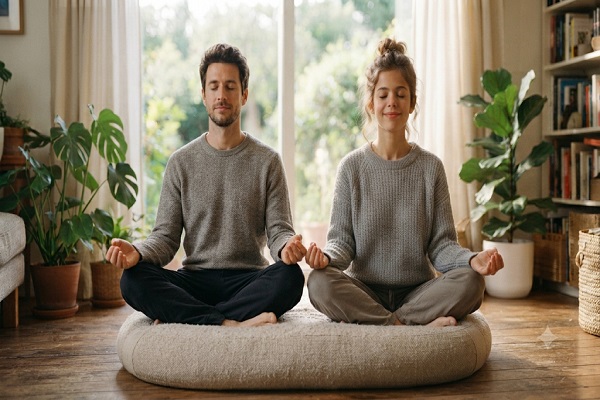
In today's busy lifestyle, stress, anxiety, and mental fatigue have become common challenges. Long working hours, personal responsibilities, excessive screen time, and daily pressures can affect both physical and emotional well-being. While people often look for complicated ways to relax, one of the simplest techniques is something we do naturally every day: breathing.
Breathing exercises are simple practices that involve controlling the pace, depth, and rhythm of breathing. They can help promote relaxation, improve awareness, and support emotional well-being. Whether practised in the morning, during a work break, or before bedtime, these techniques can become a valuable part of a healthy daily routine.
1. Helps Reduce Everyday Stress
One of the most recognised benefits of breathing exercises is their ability to encourage relaxation. Slow, controlled breathing can activate the body's parasympathetic nervous system, which is associated with the rest-and-digest response.
When people experience stress, their breathing may become faster and shallower. Practising gentle breathing techniques can help create a sense of calm and make it easier to manage everyday pressures.
Taking a few minutes for mindful breathing during a busy day can provide a peaceful break for the mind and body.
2. Promotes Mental Relaxation
Mental relaxation is important for maintaining emotional balance and overall wellness. Breathing exercises encourage individuals to focus on the present moment instead of continuously thinking about worries, responsibilities, or stressful situations.
By paying attention to each inhale and exhale, people can develop greater awareness of their thoughts and feelings.
This simple practice may help:
Reduce feelings of mental tension.
Encourage mindfulness.
Improve awareness of emotional responses.
Create a peaceful daily routine.
3. Supports Better Sleep Quality
Difficulty relaxing before bedtime can affect sleep quality. Gentle breathing exercises may help prepare the mind and body for rest by reducing physical tension and encouraging a calmer state.
Practising slow breathing before sleeping can become part of a relaxing nighttime routine.
For better results, consider combining breathing exercises with dim lighting, reduced screen time, and a comfortable sleeping environment.
4. Improves Focus and Concentration
A distracted mind can make everyday activities more challenging. Mindful breathing provides an opportunity to pause, redirect attention, and become more aware of the present moment.
Regular practice may support concentration by training the mind to return its attention to a single activity.
Students, working professionals, and individuals with busy schedules can try short breathing breaks between tasks.
5. Encourages Emotional Balance
Emotional well-being plays an important role in maintaining healthy relationships and managing everyday challenges.
Breathing exercises can create a small pause between an emotional reaction and a response. This may help individuals approach difficult situations with greater awareness and composure.
Practising controlled breathing during stressful moments can be a useful way to regain a sense of calm.
6. Helps Release Physical Tension
Stress can sometimes contribute to muscle tightness, particularly around the shoulders, neck, chest, and upper back.
Slow breathing combined with conscious muscle relaxation may help reduce feelings of physical tension.
For example, individuals can gently relax their shoulders while breathing in and out at a comfortable pace. This practice can be especially useful after long working hours or extended periods of sitting.
7. Supports Mindfulness and Self-Awareness
Mindfulness involves paying attention to the present moment without immediately judging thoughts or feelings.
Breathing exercises are commonly used in mindfulness practices because breathing provides a natural point of focus.
By observing the movement of the breath, individuals can become more aware of their physical sensations and emotional responses.
Over time, this awareness may help develop a more mindful approach to everyday activities.
8. Encourages a Healthy Daily Routine
One of the biggest advantages of breathing exercises is that they require very little equipment or preparation.
They can be practised at home, in the office, during meditation, or in a quiet outdoor space.
Even a few minutes of mindful breathing can help create a regular relaxation habit.
9. Simple Breathing Exercises to Try at Home
There are several breathing techniques that beginners can include in their daily wellness routine.
A. Diaphragmatic Breathing
Also known as belly breathing, this technique encourages deeper breathing using the diaphragm.
How to practise:
Sit comfortably or lie down.
Place one hand on your chest and the other on your abdomen.
Slowly breathe in through your nose.
Allow your abdomen to expand gently.
Slowly breathe out without forcing the breath.
Repeat for a few comfortable cycles.
This technique can help develop awareness of breathing patterns and encourage relaxation.
B. Box Breathing
Box breathing is a structured breathing technique involving four equal stages.
How to practise:
Breathe in gently for four counts.
Hold your breath for four counts.
Breathe out slowly for four counts.
Pause for four counts.
Repeat for a few rounds if comfortable.
Beginners should avoid forcing their breath or holding it if it feels uncomfortable.
C. Pursed-Lip Breathing
This technique involves breathing in through the nose and breathing out slowly through gently pursed lips.
How to practise:
Relax your shoulders and neck.
Breathe in gently through your nose.
Purse your lips as if preparing to whistle.
Slowly breathe out through your lips.
Continue at a comfortable pace.
Pursed-lip breathing is also commonly used in respiratory care, particularly for people with certain lung conditions.
D. Alternate Nostril Breathing (Nadi Shodhana)
Alternate nostril breathing is a traditional yogic breathing practice.
How to practise:
Sit comfortably with your back upright.
Gently close your right nostril using your thumb.
Breathe in through your left nostril.
Close your left nostril and release your right nostril.
Breathe out through the right nostril.
Breathe in through the right nostril, then switch sides and breathe out through the left.
Practise gently without holding your breath or forcing the breathing rhythm.
10. Tips for Making Breathing Exercises Part of Daily Life
Consistency can make relaxation practices easier to maintain. Here are some simple ways to include breathing exercises in your routine:
Start with two to five minutes of comfortable breathing.
Choose a quiet and comfortable place.
Practise in the morning or before bedtime.
Keep your shoulders and facial muscles relaxed.
Avoid forcing deep breaths or holding your breath unnecessarily.
Take short breathing breaks during busy working hours.
Combine breathing exercises with gentle stretching or meditation.
If you experience dizziness, breathlessness, or discomfort, stop and return to normal breathing. People with respiratory or cardiovascular conditions should seek professional guidance before trying demanding breathing techniques.
Conclusion
Breathing exercises are simple, accessible practices that can support relaxation, mindfulness, and emotional well-being. From diaphragmatic breathing to box breathing and alternate nostril breathing, different techniques offer opportunities to slow down and reconnect with the present moment.
Making a few minutes for mindful breathing each day can become a positive wellness habit. Although breathing exercises are not a replacement for medical treatment or professional mental health care, they can be a useful addition to a balanced lifestyle.
Remember, relaxation does not always require complicated routines. Sometimes, taking a moment to breathe gently and consciously is a good place to begin.