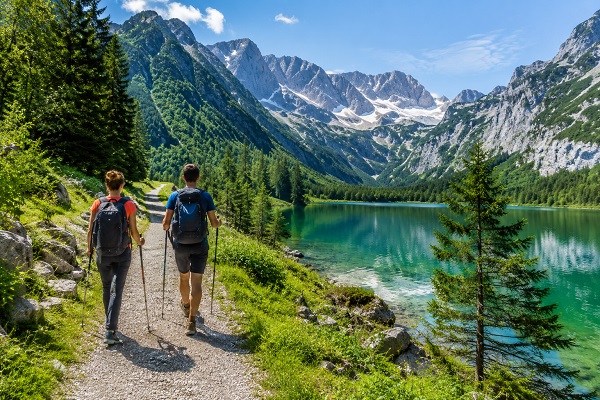
Role of Ecotourism in Conservation and Wildlife Protection

In recent years, ecotourism has emerged as a powerful approach to promote environmental conservation and wildlife protection worldwide. Unlike traditional tourism, which often prioritizes entertainment over sustainability, ecotourism focuses on responsible travel to natural areas that conserves the environment and improves the well-being of local communities. Its role in conservation and wildlife protection is becoming increasingly vital as biodiversity faces unprecedented threats from habitat loss, climate change, and human activities.
How Ecotourism Supports Conservation
Ecotourism generates financial resources that are crucial for conservation efforts. Entrance fees, permits, and donations collected from ecotourists help fund national parks, wildlife reserves, and conservation projects. These funds enable proper management, habitat restoration, anti-poaching patrols, and scientific research. By creating economic incentives linked to the preservation of natural areas, ecotourism encourages governments and local communities to protect rather than exploit their environment.
Moreover, ecotourism raises awareness among visitors about the importance of protecting ecosystems and endangered species. Educated tourists often become advocates for conservation, spreading knowledge and supporting sustainable practices beyond their travels. This awareness can lead to increased global pressure on policymakers to enact stronger environmental protections.
Wildlife Protection through Responsible Tourism
One of the most direct impacts of ecotourism is the protection of wildlife habitats. When local communities and authorities realize that the presence of tourists can bring long-term economic benefits, they are motivated to conserve habitats and prevent illegal activities such as poaching and deforestation. Ecotourism initiatives often involve local people as guides, rangers, and hospitality providers, creating alternative livelihoods that reduce dependence on destructive practices.
In addition, ecotourism promotes ethical wildlife encounters. Tour operators and travelers are encouraged to respect animals’ natural behavior, avoid disturbing their habitats, and reject activities that exploit or harm wildlife. This contrasts sharply with mass tourism practices that sometimes lead to stress and injury to animals.
Challenges and the Need for Sustainable Practices
While ecotourism has many benefits, it must be managed carefully to avoid negative impacts. Excessive tourist numbers, poor infrastructure, and lack of regulations can lead to habitat degradation and pollution. It is essential to balance tourism growth with carrying capacity limits and continuous monitoring.
Furthermore, authentic community involvement is critical. Empowering indigenous and local people to participate in decision-making ensures that ecotourism aligns with their cultural values and economic needs.
Conclusion
The role of ecotourism in conservation and wildlife protection is undeniable. By linking economic incentives to the preservation of nature, fostering environmental education, and supporting local livelihoods, ecotourism offers a sustainable path forward for both people and the planet. However, its success depends on responsible practices, strong policies, and community collaboration to truly safeguard our natural heritage for future generations.