Traditional Theatre and Performing Arts Tourism in 2026: Exploring India's Rich Cultural Heritage
Traditional Theatre and Performing Arts Tourism: Exploring Cultural Heritage and Live Performances in 2026
Traditional Theatre and Performing Arts Tourism
Introduction
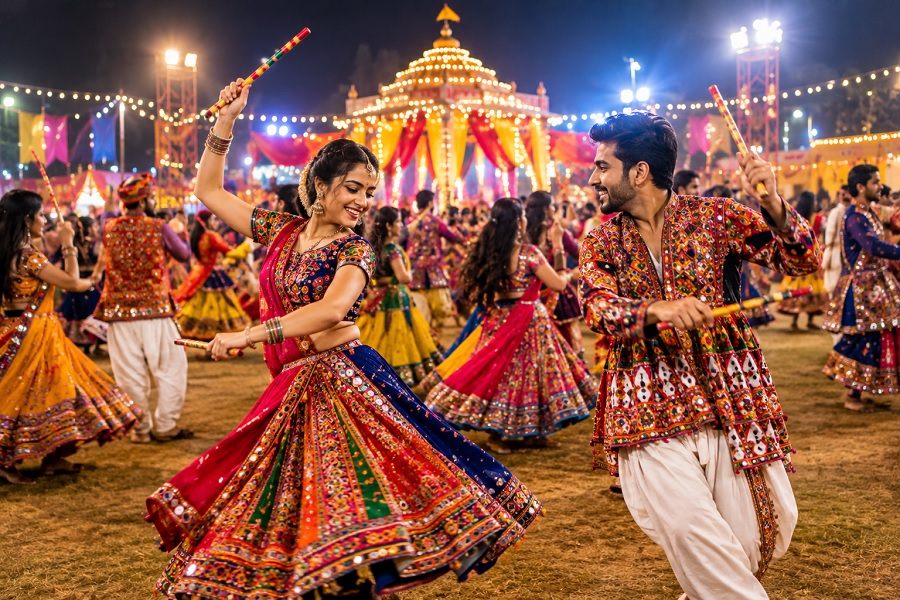
Traditional theatre and performing arts tourism is an important part of cultural tourism in 2026. It allows travellers to explore the history, traditions, storytelling techniques, music and dance forms of different communities. From traditional Indian theatre and classical dance performances to folk dramas and international cultural shows, performing arts provide visitors with opportunities to experience a destination's cultural identity.
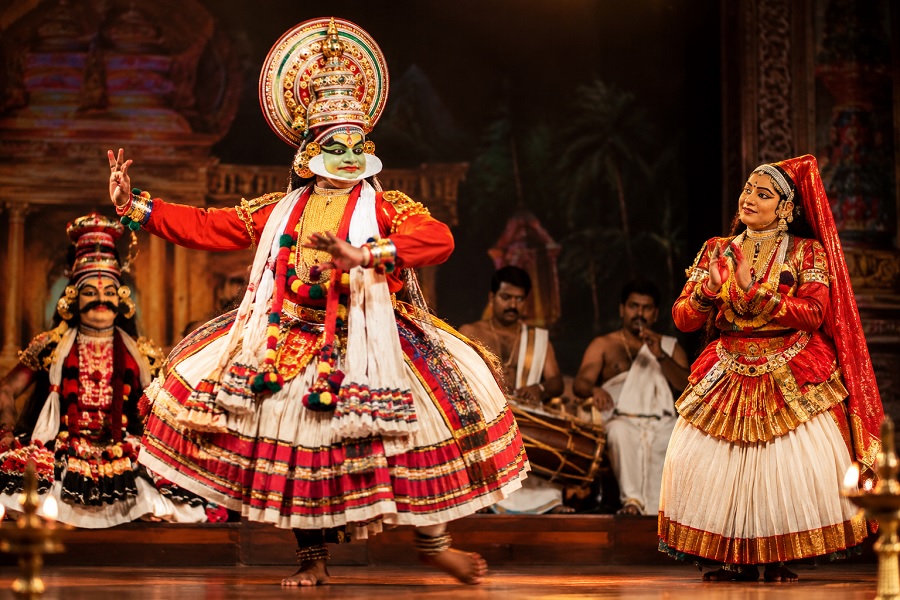
India has a rich tradition of theatrical performances, including Kathakali, Yakshagana, Jatra, Tamasha, Nautanki and Kutiyattam. These art forms combine storytelling, music, dance, costumes and traditional stage techniques. Tourists can experience them at cultural festivals, heritage venues, traditional theatres and local community events.
Performing arts tourism also helps preserve traditional art forms while creating opportunities for artists, performers and local communities. In 2026, travellers interested in authentic cultural experiences can explore traditional performances and learn about the stories and customs behind them.
What Is Traditional Theatre and Performing Arts Tourism?
Traditional theatre and performing arts tourism involves travelling to experience live performances that reflect the cultural heritage of a particular region or community. It includes traditional plays, folk theatre, classical dance, storytelling, puppet shows, musical performances and cultural festivals.
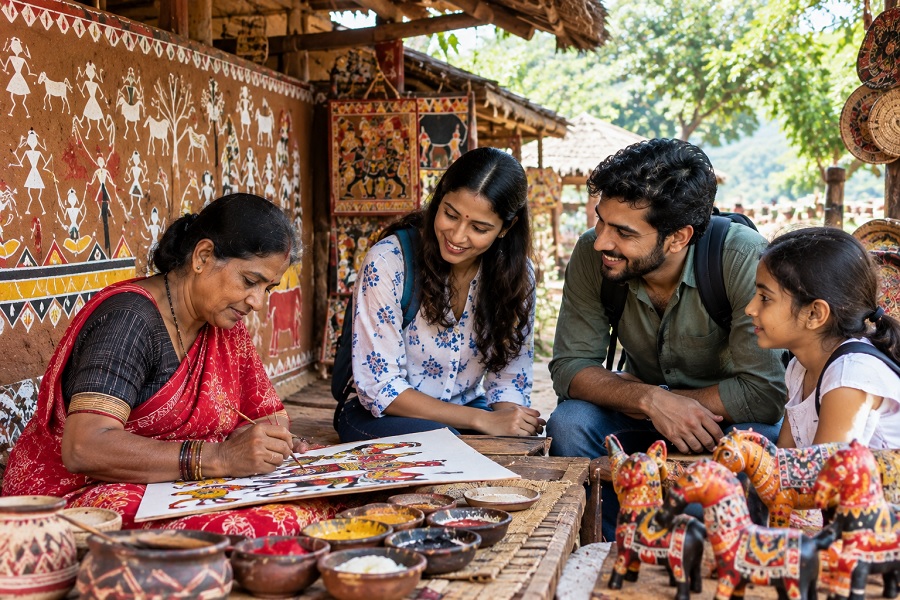
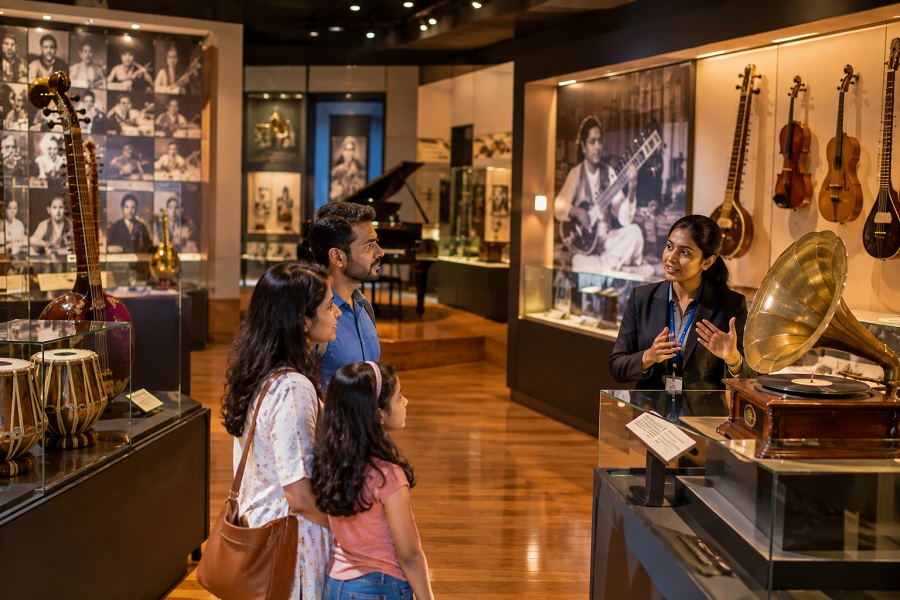
Unlike conventional sightseeing, performing arts tourism focuses on experiencing living traditions. Visitors can watch performances, attend workshops, explore theatre museums and interact with local artists where such opportunities are available.
These experiences help tourists understand regional languages, traditional costumes, musical instruments, historical stories and local customs.
Popular Traditional Theatre and Performing Arts in India
1. Kathakali, Kerala
2. Yakshagana, Karnataka
3. Jatra, West Bengal
4. Tamasha, Maharashtra
5. Kutiyattam, Kerala
6. Nautanki, North India
Popular Destinations for Traditional Theatre Tourism in India
Kerala
Karnataka
West Bengal
Maharashtra
Rajasthan
International Traditional Theatre and Performing Arts Tourism
Traditional performing arts tourism also attracts travellers to destinations outside India. Countries such as Japan, Indonesia, China and Thailand have distinctive theatre and performance traditions.
Japan: Kabuki and Noh theatre offer opportunities to experience traditional Japanese storytelling, costumes and stage techniques.
Indonesia: Balinese dance-drama combines traditional music, expressive movements and stories rooted in local culture.
China: Traditional Chinese opera, including Peking opera, is recognised for its elaborate costumes, stylised movements and musical performances.
Thailand: Traditional Khon masked dance-drama presents stories from the Ramakien through expressive movement and elaborate costumes.
These performances provide visitors with insights into the artistic traditions and cultural histories of different countries.
Benefits of Traditional Theatre and Performing Arts Tourism
1. Preservation of cultural heritage
Traditional theatre tourism helps maintain interest in historic performance styles, traditional music, regional storytelling and indigenous artistic practices.
2. Employment opportunities for local artists
Cultural performances, workshops and festivals can generate income for performers, musicians, costume makers, theatre organisers and other local workers.
3. Promotion of regional tourism
Traditional theatre can encourage visitors to explore destinations beyond conventional sightseeing attractions, including rural communities and historic cultural centres.
4. Cultural education
Live performances help visitors learn about local mythology, history, languages, social customs and traditional artistic techniques.
5. Support for local communities
Responsible cultural tourism can create opportunities for community-led events and encourage the continuation of traditional art forms.
Traditional Theatre Tourism Trends in 2026
Traditional theatre tourism in 2026 offers several opportunities for cultural travellers. Interest in immersive cultural experiences, regional festivals and heritage activities provides ways for destinations to introduce visitors to their performing arts.
Interactive cultural workshops: Some cultural centres offer workshops where visitors can learn about traditional costumes, masks, musical instruments and theatrical techniques.
Heritage theatre experiences: Historic performance venues and cultural centres can help travellers explore the evolution of regional theatre.
Festival-based tourism: Cultural festivals provide opportunities to experience different performing arts in one destination.
Digital cultural experiences: Online performance archives, digital ticketing and virtual introductions can help travellers plan cultural visits.
Community-led performances: Locally organised shows can help visitors understand traditional art forms in their cultural settings.
The availability of these experiences varies by destination, venue and season.
How to Plan a Traditional Theatre and Performing Arts Tour
Travellers can follow these steps to plan a cultural theatre holiday in 2026.
Choose a destination: Select a region based on the traditional theatre or performing art you want to experience.
Check performance schedules: Confirm dates, timings and ticket availability directly with the venue or organiser.
Explore cultural festivals: Look for local festivals featuring traditional theatre, dance and music.
Book accommodation: Choose a convenient hotel or homestay near the performance venue.
Attend cultural workshops: Where available, participate in workshops that explain traditional performance techniques.
Respect local customs: Follow venue rules and seek permission before photographing performers, costumes or ceremonies.
Support local artists: Consider purchasing official tickets and locally produced handicrafts to support the cultural community.
Future of Traditional Theatre and Performing Arts Tourism
Traditional theatre and performing arts tourism has opportunities to expand through cultural festivals, heritage programmes and responsible community tourism. Collaboration between artists, tourism organisations and cultural institutions can help preserve traditional performances and introduce them to new audiences.
Digital promotion and accessible ticketing can make performances easier for visitors to discover. At the same time, preserving the authenticity of traditional theatre and ensuring fair opportunities for artists remain important considerations.
Conclusion
Traditional theatre and performing arts tourism provides travellers with a meaningful way to explore cultural heritage in 2026. From Kathakali in Kerala and Yakshagana in Karnataka to Jatra in West Bengal and Tamasha in Maharashtra, India's traditional performances showcase a wide variety of artistic traditions.
International theatre forms such as Japanese Kabuki and Indonesian Balinese dance-drama further demonstrate the diversity of global performing arts. By attending live shows, visiting cultural centres and participating in workshops, tourists can discover the stories and traditions behind these performances while supporting local artists and cultural preservation.