Traditional Pottery Villages: Where Clay Becomes Culture

Across the world, traditional pottery villages stand as living museums of art, heritage, and craftsmanship. These charming settlements preserve centuries-old pottery-making techniques that have been passed down from one generation to another. From hand-shaped earthen pots to beautifully painted ceramic masterpieces, these villages reflect the soul of local culture and creativity.
Pottery has always been more than just a craft. In many rural communities, it represents identity, livelihood, spirituality, and tradition. The rhythmic spinning of the potter’s wheel, the scent of wet clay, and the sight of artisans carefully shaping vessels by hand create an atmosphere that feels timeless and deeply authentic.
In India, pottery villages such as Khurja in Uttar Pradesh, Molela in Rajasthan, and Andretta in Himachal Pradesh are famous for their unique styles and techniques. Khurja is known for its glazed ceramics with vibrant floral patterns, while Molela artisans create sacred terracotta plaques depicting folk deities and village life. These villages attract tourists, art lovers, and collectors who admire handcrafted beauty in an age dominated by machine-made products.
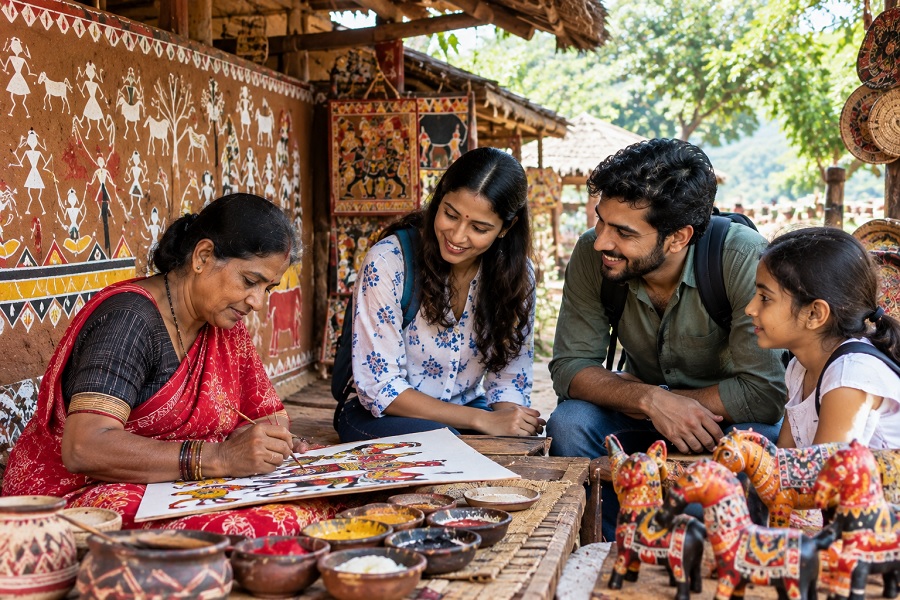
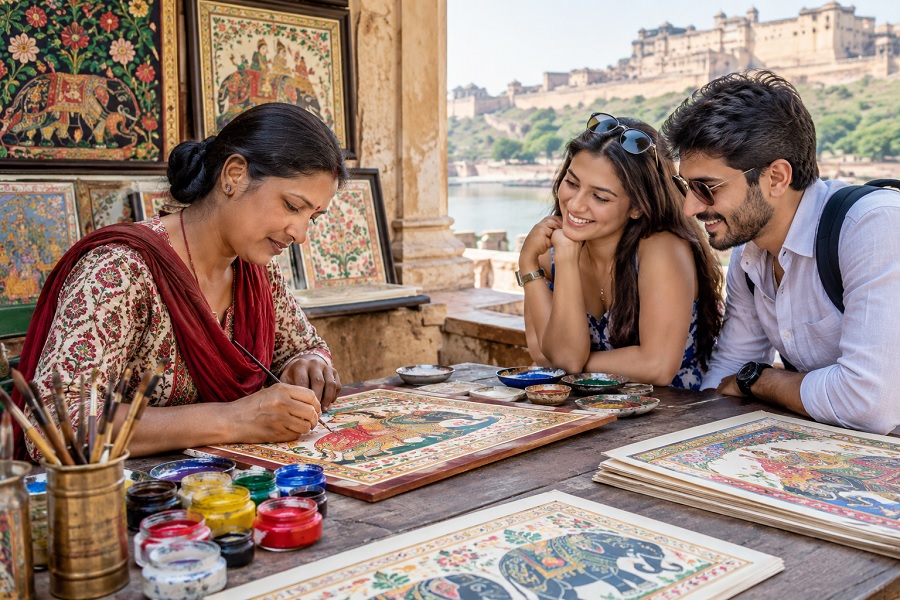
Walking through a traditional pottery village is a sensory experience. Streets are lined with clay pots drying under the sun, kilns glowing with fire, and colorful ceramics displayed outside humble workshops. Visitors often get the opportunity to interact with artisans, learn pottery techniques, and even try shaping clay themselves. Such experiences create a deeper appreciation for handmade art and the patience required to perfect each piece.
Traditional pottery also plays an important role in sustainable living. Earthenware products are eco-friendly, biodegradable, and naturally cooling, making them an environmentally conscious alternative to plastic and synthetic materials. From clay water pots to handcrafted cookware, pottery continues to remain relevant in modern lifestyles.
Despite their cultural importance, many pottery villages face challenges such as declining demand, industrial competition, and lack of financial support. However, growing interest in handmade products, cultural tourism, and sustainable living is helping revive these ancient art forms. Governments, designers, and art organizations are also working to promote pottery through exhibitions, workshops, and online platforms.
Traditional pottery villages remind us of the beauty of slow craftsmanship and human creativity. They preserve stories shaped in clay and fired with tradition. Visiting these villages is not just a journey into art but also a meaningful connection with history, culture, and the skilled hands that continue to keep this timeless craft alive.