Cultural Shopping Tourism: Explore Authentic Markets and Handmade Treasures Around the World
Cultural Shopping Tourism: Discover Local Traditions Through Authentic Markets
Cultural shopping tourism has become one of the most rewarding travel experiences for people who want to connect with the traditions and creativity of a destination. Rather than shopping in large malls, travelers are increasingly exploring local markets, artisan villages, handicraft centers, and traditional bazaars where every product tells a story.
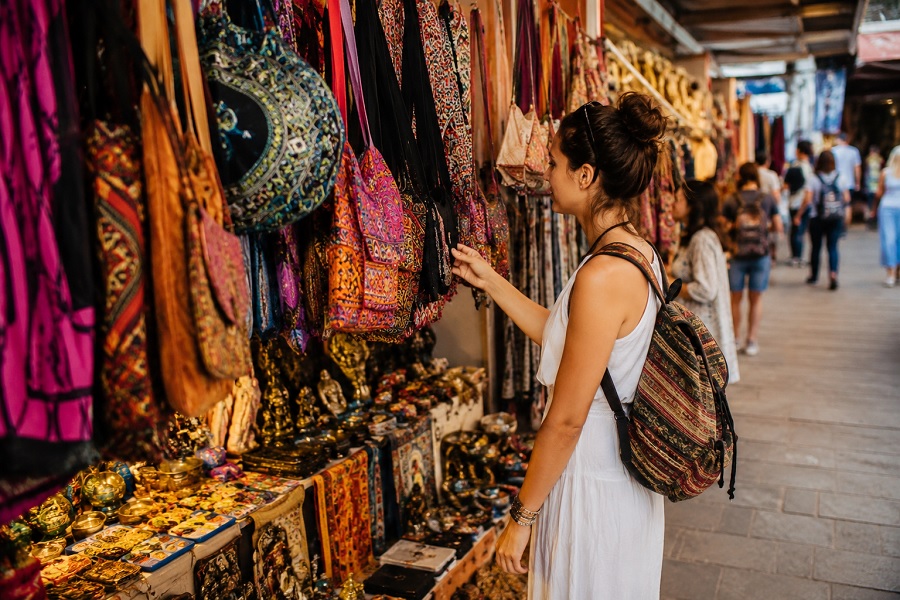
Across the world, cultural markets showcase handmade textiles, pottery, jewelry, paintings, wood carvings, spices, local fashion, and regional artwork. Purchasing these authentic products allows visitors to take home meaningful souvenirs while directly supporting local artisans and family businesses.
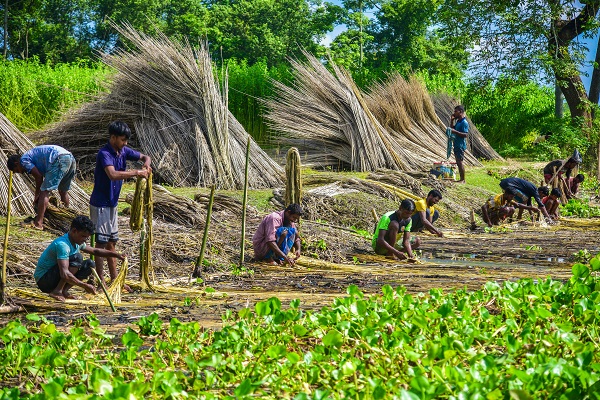
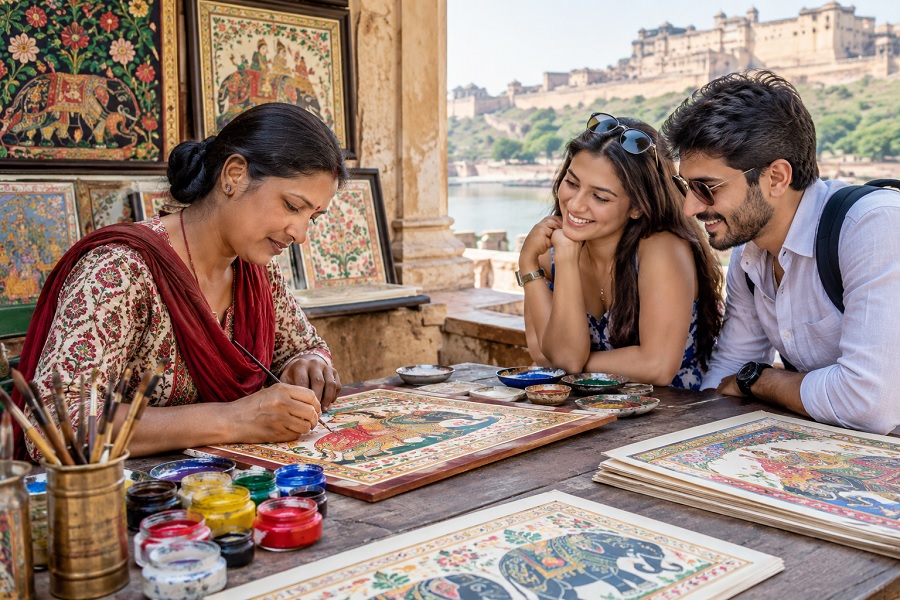
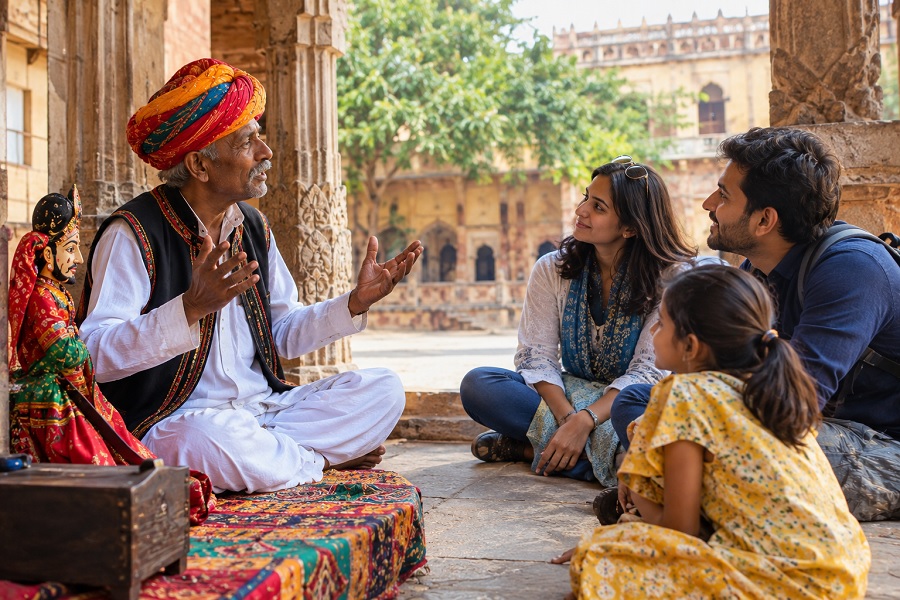
One of the biggest attractions of cultural shopping tourism is the opportunity to experience local traditions firsthand. Travelers can watch skilled craftsmen create pottery, weave fabrics, carve wood, or produce handmade jewelry using techniques that have been passed down through generations. These demonstrations offer valuable insight into a destination's heritage and craftsmanship.
Food markets are another highlight of cultural shopping tourism. Visitors can sample regional snacks, traditional sweets, spices, teas, coffees, and locally produced ingredients that reflect the area's unique culinary identity. These experiences often become memorable parts of a journey.
Many cities also organize seasonal cultural fairs and artisan festivals where local artists display handcrafted goods, traditional clothing, musical instruments, paintings, and decorative items. Such events create a vibrant atmosphere filled with music, dance, and cultural performances while providing visitors with unique shopping opportunities.
Responsible shopping is an important aspect of cultural tourism. Choosing handmade, locally produced items instead of mass-produced souvenirs helps preserve traditional crafts, supports sustainable tourism, and contributes to the local economy. Many travelers now seek eco-friendly products made from natural or recycled materials.
Popular cultural shopping destinations around the world include traditional bazaars, craft villages, heritage markets, artisan cooperatives, antique streets, and indigenous cultural centers. Every destination offers distinctive products that reflect its history, customs, and artistic traditions.
Before purchasing cultural products, travelers should compare prices, verify authenticity, respect local customs, and support certified artisan shops whenever possible. Buying directly from local craftsmen often provides a richer cultural experience and ensures that the creators receive fair compensation.
As global travel continues to grow, cultural shopping tourism remains an excellent way to experience a destination beyond its famous landmarks. It combines exploration, learning, and meaningful shopping while helping preserve cultural heritage for future generations.