Best Creative Workshops for Travelers
Best Creative Workshops for Travelers
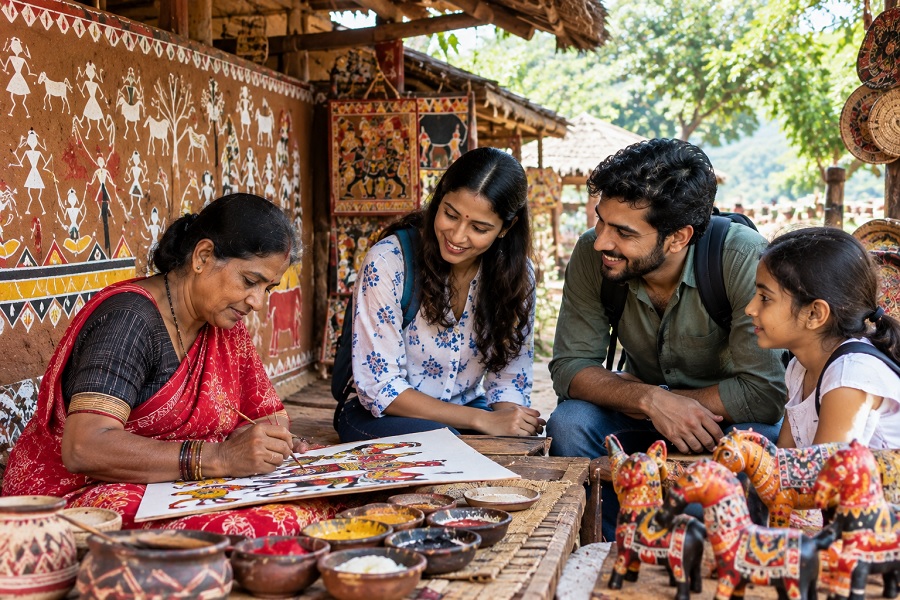
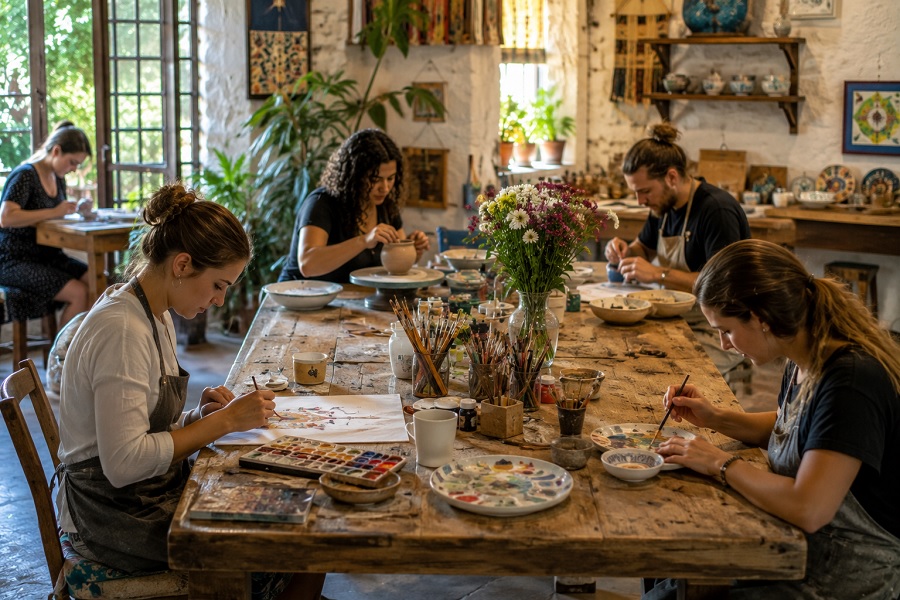
Travel is no longer only about visiting famous landmarks, taking photographs, and moving from one attraction to another. In 2026, many travelers are looking for more meaningful ways to connect with the places they visit. Creative workshops are becoming an exciting part of this shift, allowing visitors to learn traditional skills, meet local artisans, understand regional culture, and create something with their own hands.
From pottery and textile weaving to traditional cooking, painting, jewelry making, photography, and handicrafts, creative workshops can turn an ordinary holiday into a memorable cultural experience. These activities are especially appealing to travelers who want to experience a destination like a local rather than simply observe it from the outside.
Why Creative Workshops Are Becoming Popular
Creative workshops offer travelers an opportunity to participate instead of simply watching. A visitor might spend the morning exploring a historic city and the afternoon learning how local artisans create pottery or traditional textiles.
This type of travel creates a deeper connection with the destination. Travelers can learn about local materials, techniques, traditions, and stories directly from people who practice these skills.
The experience also creates a personal souvenir. Instead of purchasing a mass-produced product, travelers can take home something they made themselves or a handcrafted item purchased directly from a local artisan.
1. Pottery and Ceramic Workshops
Pottery workshops are among the most enjoyable creative activities for travelers. Participants can learn how to prepare clay, shape objects on a pottery wheel, and decorate finished pieces.
These workshops can be found in destinations with strong ceramic traditions, including parts of India, Japan, Italy, Morocco, and Southeast Asia.
For travelers, pottery offers a relaxing hands-on experience while providing an introduction to the artistic heritage of a destination.
2. Traditional Cooking Classes
Food is one of the easiest ways to understand a culture. Cooking workshops allow travelers to discover local ingredients, traditional recipes, and regional cooking methods.
Participants might visit a local market, learn about spices, prepare traditional dishes, and enjoy the meal they have created.
Indian cooking classes, Italian pasta workshops, Japanese culinary experiences, Thai cooking sessions, and Moroccan food workshops are popular examples of culinary creativity combined with cultural tourism.
3. Textile and Weaving Workshops
Textile traditions tell important stories about local history and identity. Travelers can learn traditional weaving, embroidery, block printing, dyeing, or fabric-making techniques.
In India, visitors can explore regional textile traditions ranging from handloom weaving to block printing and embroidery. Similar experiences are available in destinations across Asia, Africa, Latin America, and Europe.
These workshops also provide an opportunity to understand the time and skill involved in producing handmade textiles.
4. Painting and Local Art Workshops
Painting workshops can help travelers discover the artistic traditions of a destination. Participants may learn traditional painting styles or create artwork inspired by local landscapes and cultural themes.
Some workshops focus on established heritage art forms, while others encourage travelers to experiment with contemporary techniques.
These experiences are suitable for both beginners and experienced artists.
5. Jewelry-Making Workshops
Jewelry-making workshops offer travelers the chance to learn how local artisans transform materials into decorative pieces.
Depending on the destination, workshops may involve beads, metal, clay, natural stones, or traditional design techniques.
Participants can often create a simple piece to take home, making the activity both educational and personal.
6. Traditional Craft Workshops
Craft workshops can include wood carving, bamboo work, basket making, leather crafting, metalwork, and other traditional skills.
These activities are particularly valuable in rural and community-based tourism destinations, where traditional crafts may be an important part of local livelihoods.
Travelers should look for workshops operated by local artisans or community organizations so that their participation directly supports the people preserving these traditions.
7. Photography Workshops
Photography workshops combine creativity with exploration. Local photographers can introduce travelers to hidden streets, cultural neighborhoods, markets, landscapes, and architectural details that may be missed on conventional tours.
A photography workshop can focus on street photography, travel portraits, heritage architecture, food photography, or nature.
For travelers who enjoy documenting their journeys, this is an excellent way to improve their skills while discovering a destination from a different perspective.
8. Street Art and Urban Art Workshops
Urban art has become an important part of contemporary cultural tourism. Travelers can join workshops focused on murals, illustration, graffiti-inspired techniques, or public art.
These experiences can help visitors understand the social and creative stories behind a city's neighborhoods.
When participating in street-art activities, travelers should choose legitimate workshops that respect local laws and public spaces.
9. Traditional Dance Workshops
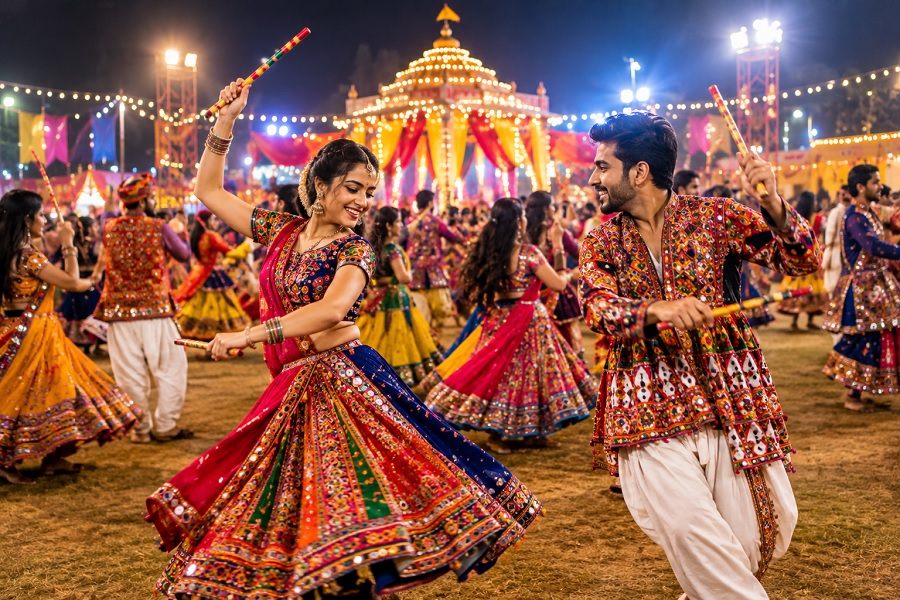
Dance workshops offer a lively way to experience local culture. Travelers can learn basic movements and rhythms from traditional or contemporary dance forms.
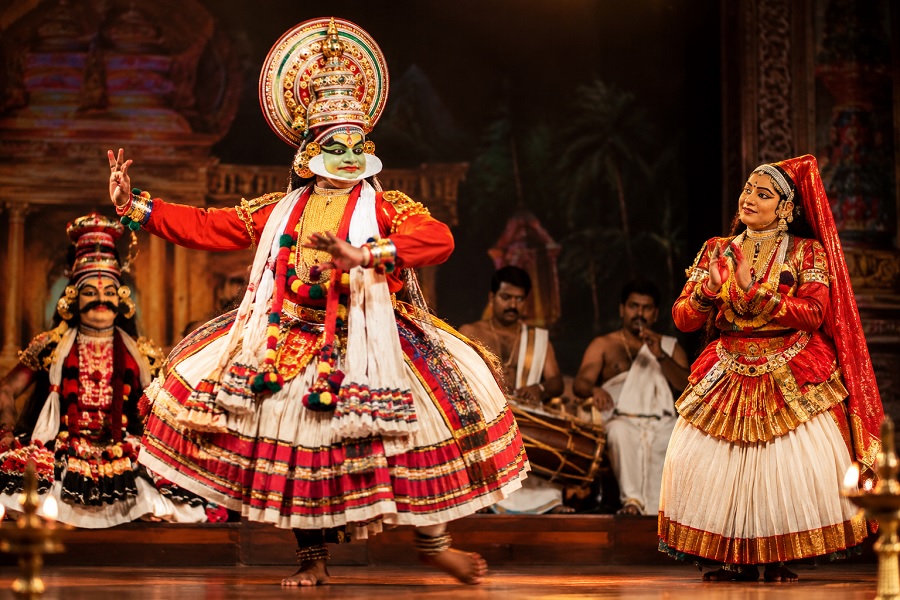
In India, visitors may find opportunities to experience classical and folk dance traditions. Around the world, travelers can explore flamenco, tango, African dance, Latin dance, and other cultural forms.
These workshops are often suitable for couples, families, and small groups.
10. Music and Instrument Workshops
Music workshops allow travelers to explore the sounds and traditions of a destination.
Participants may learn the basics of traditional instruments, local musical styles, or folk songs. Some experiences are led by professional musicians, while others are hosted by community members.
These workshops can be especially memorable when they include live performances or informal cultural gatherings.
11. Traditional Mask and Sculpture Workshops
In destinations with strong ceremonial and artistic traditions, travelers can participate in mask-making or sculpture workshops.
These activities can introduce visitors to the cultural stories and symbolism behind traditional designs.
Travelers should choose workshops that explain the cultural significance of the art form and avoid treating sacred or restricted traditions as simple souvenirs.
12. Calligraphy Workshops
Calligraphy is another creative activity that connects travelers with local history and artistic traditions.
Visitors can explore different writing systems and learn basic techniques using traditional tools.
Japanese, Chinese, Arabic, and Indian calligraphy experiences can provide an interesting introduction to the relationship between language, art, and culture.
13. Floral Art and Nature Craft Workshops
Nature-inspired workshops can include flower arrangement, botanical art, natural dyeing, leaf crafts, and other creative activities.
These experiences are ideal for travelers who enjoy peaceful activities and want to explore the relationship between local culture and the natural environment.
Some workshops also emphasize sustainable materials and responsible sourcing.
14. Creative Workshops for Families
Creative workshops are particularly suitable for family holidays because they provide an activity that different generations can enjoy together.
Children can learn new skills while parents and grandparents participate alongside them.
Family-friendly workshops may include pottery, cooking, painting, craft-making, or traditional games.
These experiences can also help children develop a greater appreciation for cultural diversity.
15. Creative Workshops for Couples
Couples can turn a workshop into a memorable shared travel experience.
Cooking classes, pottery sessions, painting workshops, jewelry making, and photography tours can be enjoyable ways to spend time together while exploring a new destination.
The experience can also produce a meaningful souvenir that reminds the couple of their journey.
How to Choose the Right Creative Workshop
Before booking a workshop, travelers should consider several factors.
First, check whether the experience is genuinely connected to local culture. A workshop led by local practitioners can provide more authentic insight than a generic activity designed only for tourists.
Second, consider the duration and skill level. Beginners should choose workshops that provide clear instructions and basic materials.
Third, look at group size. Smaller groups often allow more interaction with instructors and artisans.
Finally, consider whether the workshop supports the local community. Experiences that directly benefit local artists, craftspeople, and small businesses can make tourism more responsible and sustainable.
The Importance of Supporting Local Artisans
Creative tourism can provide valuable opportunities for local communities. When travelers participate in workshops, purchase handmade products, or learn directly from artisans, tourism revenue can contribute to the preservation of traditional skills.
This is particularly important for crafts and cultural practices that face challenges from mass production and changing lifestyles.
Travelers can make a positive impact by paying fair prices, respecting the creative process, and avoiding aggressive bargaining for handmade products.
Creative Workshops and Slow Travel
Creative workshops fit naturally into the growing slow-travel movement. Instead of rushing through a destination, travelers spend more time learning, interacting, and understanding local life.
A two-hour pottery session, a full-day cooking experience, or a multi-day textile course can become a central part of a journey rather than a small activity between sightseeing stops.
This approach encourages travelers to focus on quality experiences and deeper connections.
The Future of Creative Tourism
The future of creative tourism is likely to become more personalized and immersive. Travelers are increasingly interested in experiences that reflect their individual interests, whether that means learning traditional crafts, exploring food culture, creating art, or meeting local experts.
Technology may also play a role in helping travelers discover workshops, but the human element remains central. The opportunity to learn directly from an artisan, chef, artist, or craftsperson is what makes these experiences special.
Current 2026 travel trends point toward more meaningful, immersive, and experience-led journeys, with travelers increasingly looking for authentic connections and activities that help them understand a destination more deeply.
Final Thoughts
Creative workshops offer a fresh way to explore the world. Instead of simply visiting a destination, travelers can participate in its creative traditions, learn practical skills, meet local people, and take home memories that are far more personal than ordinary souvenirs.
Whether it is shaping clay in a pottery studio, preparing a regional dish, weaving traditional fabric, learning a local dance, or photographing hidden corners of a historic neighborhood, creative workshops can make travel more meaningful.
For travelers planning their next cultural journey, adding a hands-on workshop to the itinerary can transform a simple vacation into an unforgettable learning experience. The best creative travel experiences are those that respect local traditions, support communities, and leave travelers with a deeper appreciation of the places and people they encounter.