Best Coffee Culture Tourism Destinations for Authentic Travel Experiences
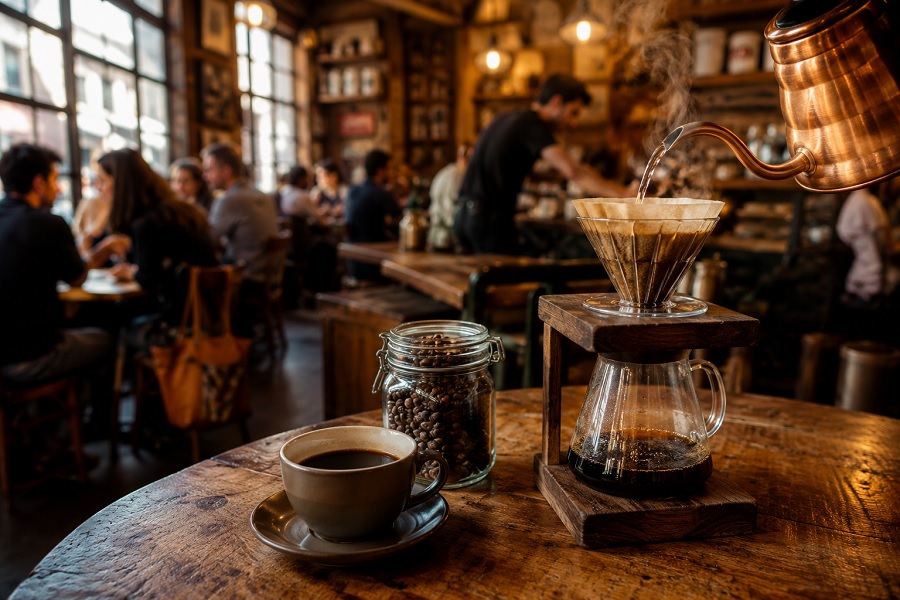
Coffee Culture Tourism: Exploring Coffee, Communities, and Local Traditions
Coffee culture tourism is becoming an exciting way for travelers to discover destinations through one of the world's most popular beverages. Instead of simply visiting a café for a cup of coffee, this type of tourism allows travelers to explore coffee farms, plantations, roasting facilities, historic cafés, local markets, brewing traditions, and the communities that have built their identities around coffee.
From walking through coffee plantations and learning about harvesting to tasting locally roasted beans and meeting farmers, coffee culture tourism connects food, agriculture, history, and local lifestyles. It can be enjoyed by solo travelers, couples, families, photographers, food enthusiasts, and travelers looking for authentic cultural experiences.
What Is Coffee Culture Tourism?
Coffee culture tourism refers to travel experiences centered around coffee production, traditions, consumption, and local communities. It can take place in coffee-growing regions as well as cities famous for their café culture.
A coffee-focused trip might include a plantation visit in the morning, a coffee-processing demonstration in the afternoon, and a traditional café experience in the evening.
The experience is not only about drinking coffee. It is about understanding where coffee comes from, how it is produced, how different cultures prepare it, and how the beverage has influenced local economies and social life.
Why Coffee Culture Tourism Is Becoming Popular
Travelers are increasingly interested in experiences rather than simply sightseeing. Coffee tourism fits this trend because it offers several activities within one journey.
Visitors can combine:
Agricultural experiences
Cultural exploration
Food and beverage tasting
Photography
Local shopping
Outdoor activities
Educational tours
Community interaction
Culinary workshops
Historic sightseeing
Coffee also has a strong social dimension. Cafés often serve as meeting places, creative spaces, business hubs, and cultural gathering points. Exploring these spaces can give travelers a more authentic understanding of a destination.
Coffee Plantation Tourism
Coffee plantations are among the most interesting destinations for coffee enthusiasts.
A plantation tour can take visitors through coffee-growing areas where they can see coffee plants, learn about cultivation methods, and understand the seasonal harvesting process.
Depending on the destination and season, visitors may observe:
Coffee flowering
Cherry development
Selective harvesting
Sorting
Washing
Drying
Processing
Roasting
Grinding
Brewing
Seeing the complete journey from coffee plant to finished beverage can make a simple cup of coffee much more meaningful.
Learning About Coffee Varieties
Different coffee-growing regions produce beans with different characteristics. Altitude, soil, rainfall, climate, processing methods, and coffee variety can all influence the final flavor.
Visitors may encounter varieties such as Arabica and Robusta, along with numerous regional cultivars.
Coffee tasting sessions can introduce travelers to differences in:
Aroma
Acidity
Sweetness
Body
Bitterness
Flavor intensity
Aftertaste
These experiences are particularly valuable for travelers who want to develop their understanding of specialty coffee.
Coffee Processing Experiences
Processing is an important part of the coffee journey. After harvesting, coffee cherries need to be processed to separate the beans from the fruit.
Common approaches include washed, natural, and honey-style processing, although terminology and methods vary by region.
A guided processing tour can explain how each method influences the characteristics of the finished coffee.
For travelers, this provides an opportunity to understand why beans from different farms or regions can taste dramatically different even when prepared using the same brewing method.
Coffee Roasting Experiences
Roasting is where green coffee beans develop many of the aromas and flavors associated with roasted coffee.
Some coffee destinations offer visitors the opportunity to observe roasting demonstrations or participate in workshops.
A roasting experience can explain:
Light roasting
Medium roasting
Dark roasting
Temperature control
Roast development
Bean color changes
Aroma development
Cooling techniques
Some workshops also allow visitors to take home freshly roasted beans.
Coffee Cupping Experiences
Coffee cupping is a structured tasting process used to evaluate coffee.
Travelers participating in a cupping session may taste several coffees side by side. A guide can explain how professionals evaluate aroma, flavor, acidity, body, sweetness, balance, and finish.
For beginners, cupping can initially seem complicated, but guided sessions make it approachable.
It can also be a fun activity for groups and couples.
Traditional Coffee Preparation
Every coffee culture has its own traditions.
Some destinations emphasize slow brewing methods, while others are known for strong espresso-based drinks, filtered coffee, spiced coffee, or coffee prepared using traditional equipment.
Travelers can discover how local communities prepare coffee and how those traditions developed.
Traditional preparation methods may involve:
Manual brewing
Clay or metal pots
Cloth filters
Traditional coffee makers
Espresso machines
Pour-over techniques
Turkish-style brewing
Spiced coffee preparation
These traditions often tell a broader story about history and cultural exchange.
Historic Cafés and Coffeehouses
Coffee culture tourism is not limited to plantations.
Historic cafés and coffeehouses can be important cultural landmarks. Some have existed for decades or even centuries and have served as meeting places for writers, artists, politicians, students, and business communities.
A historic café tour can combine architecture, literature, local history, and food culture.
Travelers can explore the atmosphere of traditional cafés while learning how coffee influenced urban social life.
Coffee and Local Food Pairings
Coffee tourism can also become a culinary experience.
Local cafés and plantations may offer coffee with regional snacks, pastries, desserts, breads, chocolates, or savory foods.
Popular pairings depend on the destination and local cuisine.
A coffee-and-food tour allows visitors to understand how local flavors complement different coffee profiles.
For example, sweet desserts may work well with stronger roasted coffees, while lighter coffees can be paired with delicate pastries or fruit-based dishes.
Coffee Tourism in India
India has a growing coffee culture and several regions where travelers can experience coffee production firsthand.
The Western Ghats are particularly important to Indian coffee cultivation. Karnataka, Kerala, and Tamil Nadu are among the country's major coffee-producing states.
Coffee tourism in India can include plantation stays, guided estate walks, coffee tastings, local cuisine, nature experiences, and visits to processing facilities.
Coorg Coffee Tourism
Coorg, also known as Kodagu, is one of India's best-known coffee-growing destinations.
Travelers can combine coffee experiences with plantation walks, homestays, local cuisine, waterfalls, forests, and outdoor activities.
The region's scenic landscapes make it particularly attractive for photography and nature-focused travel.
Chikmagalur Coffee Tourism
Chikmagalur is another prominent coffee destination in Karnataka.
Its hills, plantations, pleasant climate, and coffee estates create opportunities for plantation tours and educational experiences.
Travelers can learn about coffee cultivation while enjoying the region's natural scenery.
Wayanad Coffee Experiences
Wayanad in Kerala is known for its agricultural landscapes and plantations. Coffee experiences can be combined with nature tourism, local food, wildlife experiences, and village exploration.
Nilgiri Coffee Tourism
The Nilgiris provide another interesting setting for coffee-related travel. The area's highland environment and plantation landscapes can create a relaxing experience for visitors interested in agriculture and regional food culture.
International Coffee Tourism Destinations
Coffee tourism can be experienced in many parts of the world.
Colombia
Colombia is globally recognized for coffee production, and coffee-region tourism offers visitors opportunities to explore farms, plantations, processing facilities, and traditional coffee communities.
Ethiopia
Ethiopia is closely associated with the history and cultural heritage of coffee. Coffee ceremonies can provide travelers with an opportunity to experience the beverage as an important part of social and cultural life.
Brazil
As one of the world's major coffee-producing countries, Brazil offers opportunities to explore large-scale coffee production as well as regional coffee traditions.
Costa Rica
Costa Rica is known for specialty coffee and offers plantation tours where travelers can learn about cultivation, processing, sustainability, and quality control.
Vietnam
Vietnam has a distinctive coffee culture, with local preparation styles that differ from many Western coffee traditions. Exploring Vietnamese cafés can be an important part of a cultural itinerary.
Italy
Italy is famous for its café culture, particularly espresso-based beverages. Travelers can explore traditional cafés, historic coffeehouses, and the social customs surrounding Italian coffee.
Coffee Festivals
Coffee festivals can add another dimension to cultural tourism.
These events may bring together farmers, roasters, baristas, café owners, food producers, and travelers.
Visitors may find:
Coffee tastings
Brewing demonstrations
Barista competitions
Roasting workshops
Local food stalls
Artisan products
Cultural performances
Coffee education sessions
Coffee festivals are also useful for travelers who want to discover new brewing methods and regional coffee products in one place.
Coffee and Sustainable Tourism
Sustainability is an important consideration in modern coffee tourism.
Coffee production depends heavily on environmental conditions, including rainfall, soil quality, temperature, and biodiversity.
Responsible coffee tourism can support conservation and local communities by encouraging visitors to choose experiences that benefit producers and destination residents.
Sustainable coffee tourism may involve:
Shade-grown coffee
Soil conservation
Water management
Reduced chemical use
Biodiversity protection
Responsible waste management
Local employment
Fairer relationships with farmers
Community-based tourism
Travelers should look for transparent information about sustainability rather than relying only on general environmental claims.
Supporting Local Coffee Farmers
One of the most meaningful aspects of coffee tourism is the opportunity to understand the people behind the product.
Visitors can learn how farmers manage crops, deal with weather conditions, process coffee, and maintain quality.
Buying coffee directly from reputable local producers, cooperatives, or transparent businesses can help travelers contribute more directly to the local coffee economy.
However, visitors should avoid making assumptions about local communities or treating farms only as photo opportunities. Respectful interaction is essential.
Coffee Tourism for Couples
Coffee culture tourism can be an excellent option for couples who enjoy relaxed and educational experiences.
A couple can spend a day exploring a plantation, tasting different beans, learning a brewing technique, and enjoying a quiet café surrounded by nature.
Coffee plantation resorts and boutique stays can also provide romantic settings, particularly in hill regions.
Coffee Tourism for Families
Families can enjoy coffee tourism when activities are adapted to different age groups.
Children may enjoy seeing coffee plants, exploring plantations, learning about farming, and participating in food-related activities, while adults can focus on tastings and brewing workshops.
When traveling with children, families should check whether plantation tours have age restrictions and whether walking routes are suitable for younger visitors.
Coffee Photography Tourism
Coffee destinations can be highly attractive for photographers.
Possible subjects include:
Coffee plantations
Coffee flowers
Ripe coffee cherries
Harvesting
Traditional processing
Roasting
Brewing
Historic cafés
Baristas at work
Rural landscapes
Local markets
Coffee farmers
Early morning plantation walks can offer particularly interesting natural lighting and atmospheric landscapes.
Coffee Workshops for Travelers
Hands-on workshops can turn a simple coffee tour into a memorable learning experience.
Visitors may learn how to:
Grind coffee
Measure coffee and water
Brew using a pour-over method
Prepare traditional coffee
Taste different beans
Identify basic flavor characteristics
Roast small batches
Create espresso-based beverages
These skills can also be continued at home after the trip.
Best Time for Coffee Tourism
The ideal time depends on the destination and the specific experience travelers want.
If the main goal is to see harvesting, visitors should research the local coffee harvest calendar before booking.
If the goal is simply to enjoy plantations, cafés, food, and scenery, travel dates can be more flexible.
Before planning a trip, check:
Harvest season
Weather
Plantation accessibility
Local festivals
Accommodation availability
Café opening hours
Workshop schedules
Regional holidays
How to Plan a Coffee Culture Trip
Start by deciding what type of experience you want.
A traveler interested in agriculture should prioritize plantation stays and farm tours. Someone interested in specialty coffee may prefer destinations with roasters and cupping sessions. Travelers interested in history may want historic cafés and cultural walking tours.
A balanced itinerary could include:
Day 1: Historic city and traditional cafés
Day 2: Coffee plantation visit
Day 3: Processing and roasting experience
Day 4: Coffee tasting and local food tour
Day 5: Cultural attractions and artisan markets
This approach combines coffee with the wider cultural identity of the destination.
What to Pack for Coffee Tourism
Comfortable clothing is important for plantation visits.
Useful items include:
Comfortable walking shoes
Lightweight clothing
Sun protection
Hat
Reusable water bottle
Camera
Small backpack
Rain protection when appropriate
Insect protection for plantation areas
Extra storage space for locally purchased coffee
If you plan to buy coffee beans, consider bringing airtight storage or purchasing packaging designed for travel.
The Future of Coffee Culture Tourism
Coffee tourism is likely to continue developing as travelers search for more authentic and educational experiences.
Future coffee tourism may increasingly combine plantation visits with technology, sustainability, wellness, culinary tourism, and community experiences.
Interactive farm tours, digital storytelling, specialty coffee trails, sustainable accommodation, local cooking experiences, and direct farmer-to-consumer programs can make coffee destinations more engaging.
The strongest coffee tourism experiences are likely to focus not only on the final beverage but also on the people, landscapes, traditions, and stories behind it.
Conclusion
Coffee culture tourism offers a unique way to explore destinations through agriculture, food, history, and everyday life. From walking through a plantation and meeting producers to tasting locally roasted beans in a historic café, every stage of the coffee journey can become part of a travel experience.
For travelers seeking something beyond conventional sightseeing, coffee tourism provides an opportunity to slow down, learn new skills, taste regional flavors, discover local traditions, and support communities connected to coffee production.
Whether the destination is a coffee estate in India, a traditional café in Italy, a coffee region in Colombia, or a cultural coffee ceremony in Ethiopia, the experience can turn an everyday drink into a deeper cultural journey.