Discover India’s Traditional Woodcraft Heritage Villages
Woodcraft Heritage Villages: Discover India’s Living Tradition of Wooden Art
Introduction
Woodcraft heritage villages offer travelers a unique opportunity to experience traditional craftsmanship where artistic skills are not simply displayed in museums but remain part of everyday community life. In these villages, skilled artisans transform locally available wood into furniture, decorative objects, sculptures, architectural details, toys, religious figures, and other handmade products.
India has a particularly rich woodcraft tradition. Government handicraft sources classify woodcraft into several forms, including wood carving, wooden artware, wood inlay and marquetry, wood turning and lacquerware, and wooden furniture. Traditional wood carving is associated with regions including Kashmir, Uttar Pradesh, Odisha, Karnataka, Kerala, Tamil Nadu, Rajasthan and several other parts of the country.
A visit to a woodcraft heritage village is therefore more than a sightseeing trip. It is a chance to meet craftspeople, understand how handmade objects are produced, explore traditional designs and contribute directly to local livelihoods.
What Are Woodcraft Heritage Villages?
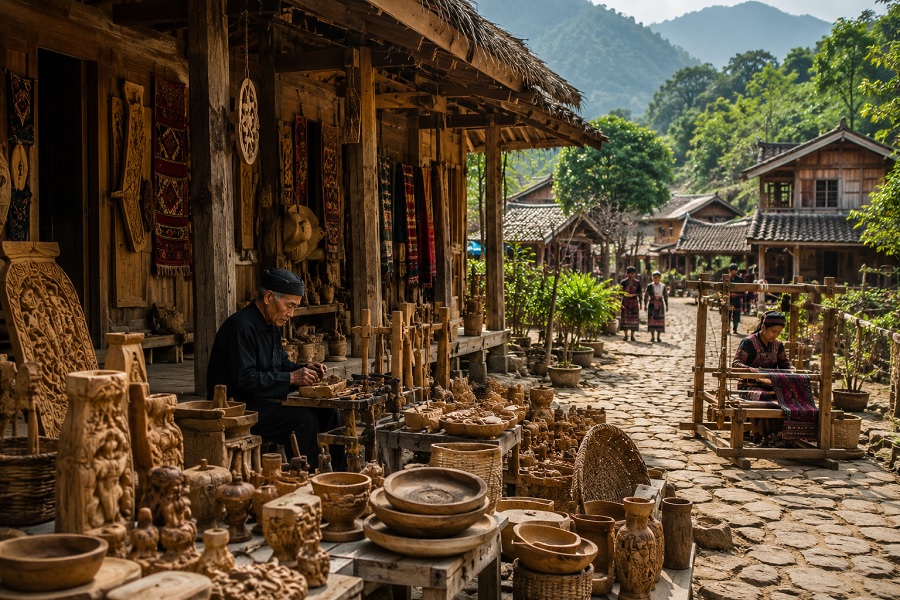
Woodcraft heritage villages are rural communities or craft clusters where traditional woodworking skills have been preserved and passed from one generation to another. These places may contain artisan workshops, family-run craft businesses, traditional homes, community spaces and local markets.
Unlike conventional tourist attractions, craft villages can provide a closer look at the process behind handmade products. Visitors may watch artisans select, cut, shape, carve, polish and finish pieces of wood.
Some villages specialize in a particular technique, while others combine woodworking with painting, metalwork, weaving, bamboo craft or other regional traditions.
Why Woodcraft Is Important to Indian Heritage
Wood carving has a long history in India and has traditionally been used for both practical and decorative purposes. Carved doors, pillars, ceilings, furniture, religious objects and architectural elements demonstrate how woodworking became closely connected with regional culture and design.
Woodcraft is also an important source of livelihood for artisan communities. India's handicraft sector includes thousands of artisans, and official handicraft resources highlight the role of traditional crafts in sustaining rural communities and preserving cultural identity.
This makes craft tourism valuable because visitors can support the people who continue these skills while learning about the cultural meaning behind the objects they create.
Famous Woodcraft Traditions to Explore
1. Saharanpur Woodcraft, Uttar Pradesh
Saharanpur is one of India's best-known wood-carving centers and is often associated with the country's "Wood City" and "Shisham Wood Village" traditions. Artisans create intricate carved furniture, decorative panels, boxes, screens and other wooden products.
The official handicrafts documentation identifies Saharanpur as a major wood-carving cluster and notes the presence of numerous artisans and self-help groups.
2. Kashmir Walnut Wood Carving
Kashmir is renowned for its walnut wood carving. Artisans create detailed patterns on furniture, boxes, panels and decorative objects. Floral designs and intricate traditional motifs are among the recognizable features of this craft.
Visitors interested in Himalayan culture can combine craft exploration with local architecture, cuisine, markets and traditional lifestyles.
3. Kalahandi Woodcraft, Odisha
Kalahandi has a distinctive woodcraft tradition combining folk and classical influences. The Government of India's National Portal describes the region as being known for woodcraft and notes the use of locally available teak for carving.
A cultural trip through Odisha can therefore combine woodcraft experiences with temples, tribal traditions, textiles, paintings and regional cuisine.
4. Bidar Wood Carving, Karnataka
Bidar is another destination with a continuing wood-carving tradition. The district administration highlights wood-carving work in Backchodi village, including intricate sandalwood carving and religious figures.
Visitors can combine a craft-focused trip with Bidar's historic monuments and famous Bidriware tradition.
What Can Travelers Experience?
A woodcraft heritage village can offer several hands-on and cultural experiences.
Watch Traditional Wood Carving
One of the most fascinating experiences is watching an artisan transform a plain piece of wood into a detailed object. Depending on the workshop, visitors may see hand tools, chisels, carving knives, sanding techniques and finishing processes.
Learn About Different Woods
Artisans may explain why different types of wood are selected for particular products. Government craft documentation lists materials such as teak, sal, oak, ebony, mango and sheesham among woods used in Indian wood carving.
Try a Beginner Craft Workshop
Some community-based tourism initiatives provide opportunities for visitors to learn traditional skills. A short workshop can allow travelers to create a simple wooden object under an artisan's guidance.
Shop Directly From Artisans
Buying directly from craftspeople can be one of the most meaningful parts of a craft-village visit. Visitors can purchase small decorative pieces, toys, boxes, kitchenware, furniture or other handmade products, depending on the destination.
Discover Traditional Architecture
Woodcraft is often connected with architecture. Look for carved doors, window frames, balconies, pillars, ceilings and other architectural details that reveal local design traditions.
Best Things to Look For
When exploring a woodcraft village, pay attention to:
Hand-carved furniture
Wooden sculptures
Decorative panels
Traditional doors and windows
Carved boxes
Wooden toys
Religious figures
Inlay work
Lacquered wooden objects
Traditional household items
Contemporary designs inspired by heritage motifs
India's official handicraft classification recognizes wood carving alongside wooden artware, wood inlay and marquetry, wood turning and lacquerware, and wooden furniture.
Best Time to Visit
The ideal season depends on the region.
For northern and central Indian craft destinations, October to March is generally comfortable for village exploration and outdoor sightseeing.
For southern and western destinations, the cooler months can also be pleasant, while monsoon periods may offer lush scenery but can bring rain and transportation challenges.
If your main purpose is to meet artisans, check local workshop schedules and community-tourism arrangements before traveling.
How to Plan a Responsible Woodcraft Trip
Responsible tourism is especially important when visiting artisan communities.
Buy Directly From Craftspeople
Whenever possible, purchase products directly from the artisan or a trusted community cooperative. This helps ensure that more of the value reaches the people producing the craft.
Ask Before Photographing
Always ask permission before photographing artisans, workshops, homes or people.
Respect Traditional Knowledge
Traditional designs and techniques can have cultural significance. Avoid treating them simply as decorative trends or copying specialized designs without understanding their origins.
Avoid Bargaining Excessively
Handmade products can require hours or even months of work. Official handicraft documentation notes that small carved pieces may take around a week, while elaborate larger pieces can require several months.
Choose Sustainable Products
Ask about the type and source of wood used. Responsible purchasing can encourage better sourcing practices and reduce pressure on forests.
Woodcraft and Sustainable Tourism
Woodcraft tourism can support sustainable rural development when tourism benefits the communities that maintain the craft.
Community-led heritage tourism models demonstrate how visitors can participate in cultural experiences while creating opportunities for local residents. Maharashtra's heritage-village initiative, for example, focuses on connecting travelers with local artists, traditional skills, festivals, food and community experiences while supporting local livelihoods.
The same principle can be applied to woodcraft destinations: the community should remain at the center of the tourism experience.
Photography Tips
Woodcraft villages are excellent destinations for cultural photography.
Try photographing:
Artisan hands at work
Traditional carving tools
Close-up wood textures
Finished carvings
Workshop interiors
Traditional architecture
Local markets
Wooden products
Artisan demonstrations
Use natural light where possible and always ask permission before photographing people.
What to Buy as a Souvenir
Popular woodcraft souvenirs can include:
Small carved boxes
Wooden toys
Decorative panels
Miniature sculptures
Serving boards
Traditional figurines
Hand-carved ornaments
Small furniture pieces
Wooden kitchen accessories
Regional craft products
Choose products that are practical to transport and ask about care instructions before purchasing.
Why Families Should Visit
Woodcraft villages can be educational destinations for families. Children can see how raw materials are transformed into finished products and learn about patience, manual skills and traditional occupations.
A craft visit can also complement history lessons by showing how traditional skills, architecture and community life are connected.
Why Couples Should Visit
For couples, woodcraft villages offer a slower alternative to conventional sightseeing. Walking through artisan lanes, watching craftspeople work, shopping for handmade souvenirs and discovering regional food can create a relaxed cultural experience.
It can also be a meaningful way to support local communities while traveling.
Why Culture Lovers Should Visit
Travelers interested in history, anthropology, architecture, design and traditional arts can gain valuable insight from visiting craft communities.
Instead of simply viewing an old object in a museum, visitors can see the techniques, tools, stories and people that keep the tradition alive.
Tips for a Better Experience
Research the craft tradition before visiting.
Contact local tourism organizations or artisan groups when possible.
Allow enough time to explore workshops without rushing.
Carry cash if small village businesses do not accept digital payments.
Ask about shipping options for large purchases.
Keep fragile handicrafts safely packed during travel.
Respect local customs and private spaces.
Support genuine artisan-made products.
Ask about the wood's source before buying.
Share information about the craft responsibly on social media.
The Future of Woodcraft Heritage Tourism
Traditional crafts face challenges from changing consumer preferences, mass-produced goods and declining interest among younger generations. At the same time, cultural tourism can create new opportunities by connecting artisans with visitors who value handmade products and authentic experiences.
The future of woodcraft heritage tourism will depend on finding a balance between tradition and innovation. Contemporary designs, improved marketing, digital marketplaces and responsible tourism can help artisans reach new audiences without losing the identity of their craft.
Final Thoughts
Woodcraft heritage villages provide travelers with an opportunity to experience culture through craftsmanship. The beauty of these destinations lies not only in the finished wooden products but also in the knowledge, patience and community traditions behind them.
From Saharanpur's celebrated carving traditions to Kashmir's walnut woodwork, Kalahandi's distinctive craft and Bidar's intricate carving practices, India's woodworking heritage reflects remarkable regional diversity.
For travelers seeking meaningful cultural experiences, a visit to a woodcraft heritage village can become more than a sightseeing excursion. It can be a chance to meet artisans, understand living traditions, purchase authentic handmade products and contribute to the continued survival of traditional craftsmanship.