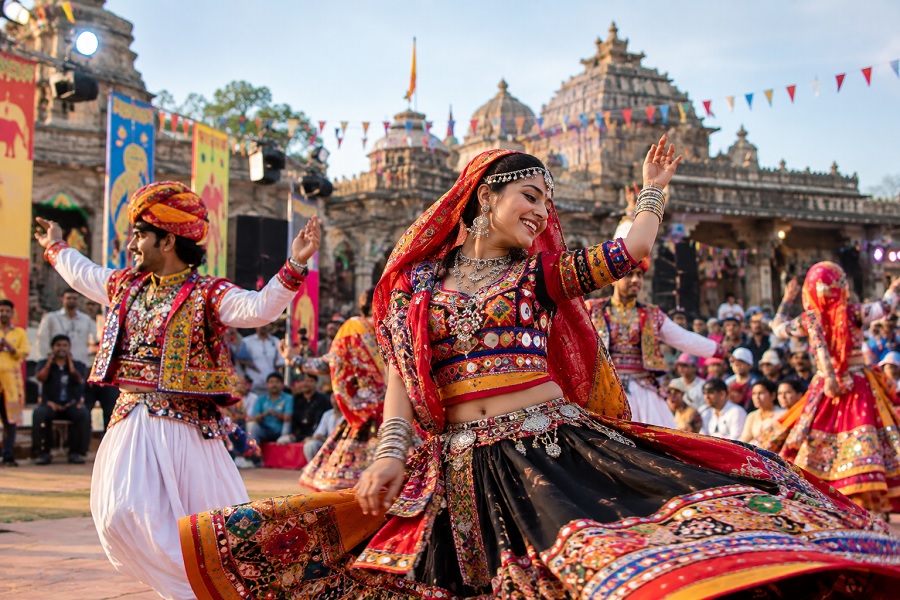
Creative Tourism Experiences: Discover Authentic Culture Through Hands-On Travel
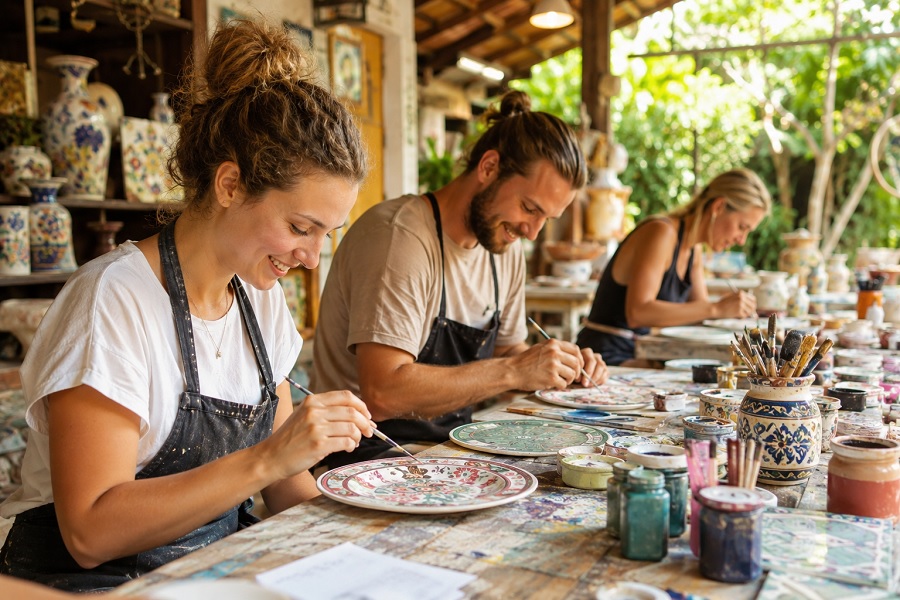
Creative Tourism Experiences: Travel Beyond Sightseeing
Introduction
Creative tourism is transforming the way people explore the world. Instead of simply visiting famous landmarks, travelers are actively participating in local culture through hands on experiences. Whether it's learning pottery from village artisans, preparing regional dishes with local families, painting traditional art, weaving textiles, or joining cultural festivals, creative tourism allows visitors to connect deeply with the destination.
In 2026, travelers are increasingly looking for meaningful experiences that combine education, culture, sustainability, and personal growth. This growing trend supports local communities while giving tourists unforgettable memories that go far beyond traditional sightseeing.
What is Creative Tourism?
Creative tourism is a form of travel where visitors actively participate in authentic cultural, artistic, and creative activities. Rather than being passive observers, travelers become part of the local culture through workshops, classes, performances, and community experiences.
Examples include:
Pottery making workshops
Traditional cooking classes
Folk dance lessons
Local music sessions
Handloom weaving experiences
Photography tours
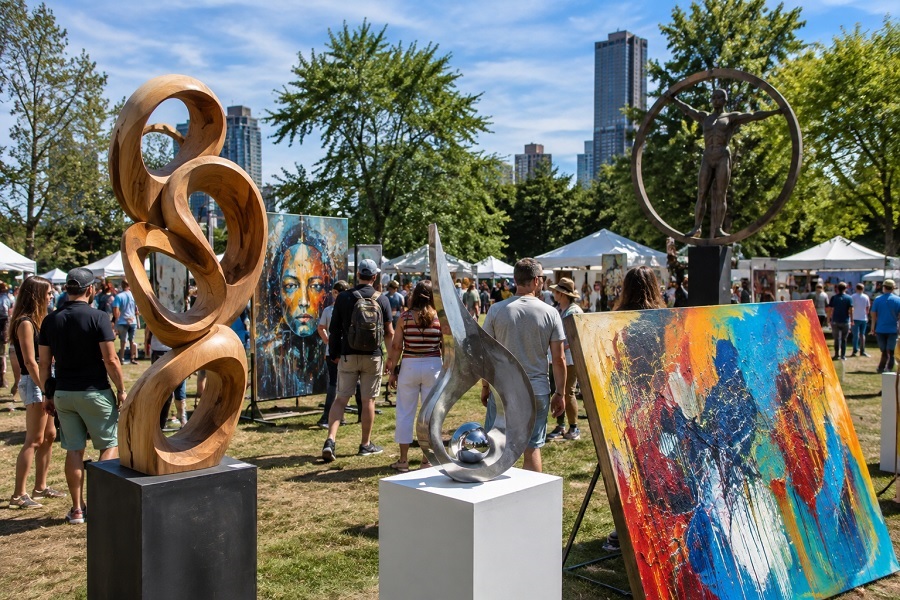
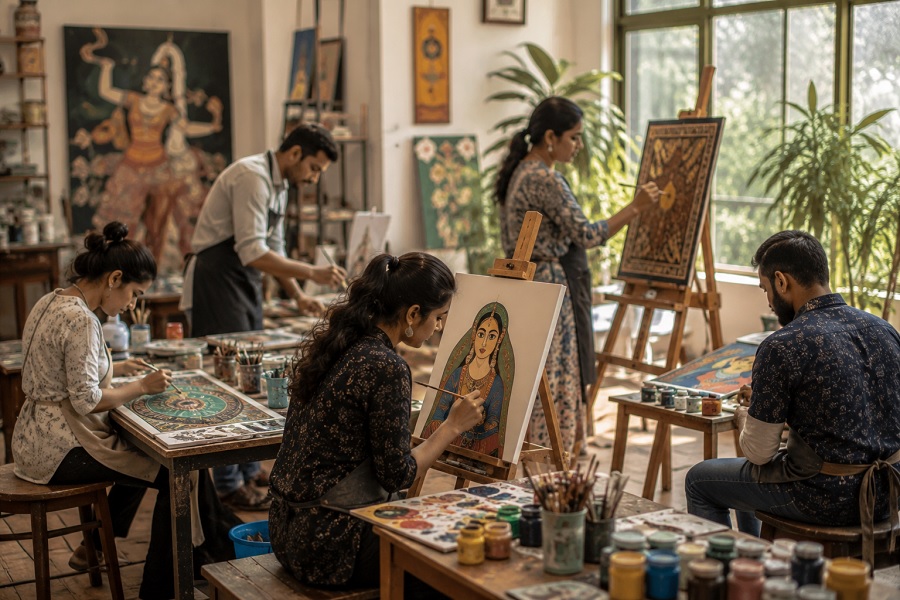
Painting workshops
Sculpture classes
Indigenous craft making
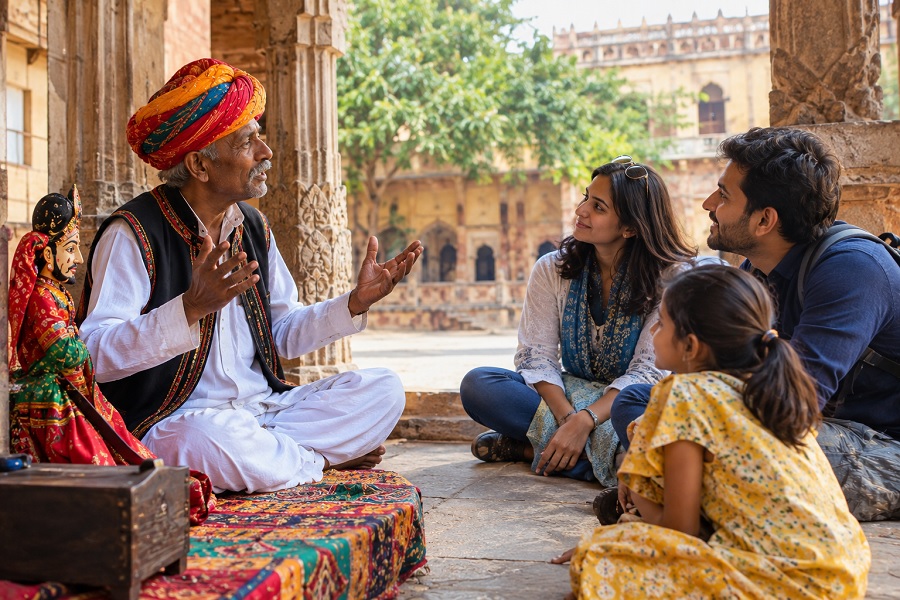
Village storytelling events
Why Creative Tourism is Growing
Several travel trends have made creative tourism more popular.
1. Authentic Experiences
Modern travelers prefer genuine cultural interactions instead of crowded tourist attractions.
2. Learning While Traveling
People enjoy developing new skills while exploring different countries.
3. Sustainable Tourism
Creative tourism directly benefits local artists, craftsmen, and small businesses.
4. Social Media Appeal
Unique workshops and cultural experiences create memorable content for social media.
5. Wellness and Mindfulness
Creative activities help reduce stress while encouraging relaxation and creativity.
Popular Creative Tourism Experiences
Traditional Cooking Classes
Travelers learn authentic local recipes from experienced home cooks and chefs.
Popular destinations include:
Italy
India
Japan
Thailand
Morocco
Mexico
Pottery Workshops
Visitors create handmade pottery using traditional techniques passed down through generations.
Popular destinations:
Jaipur
Khurja
Kyoto
Portugal
Greece
Handloom and Textile Tours
Travelers discover ancient weaving traditions and even weave their own fabric.
Famous locations:
Varanasi
Kanchipuram
Gujarat
Peru
Indonesia
Folk Dance Classes
Learning local dance forms creates a deeper cultural connection.
Examples include:
Flamenco in Spain
Kathak in India
Hula in Hawaii
Salsa in Cuba
Tango in Argentina
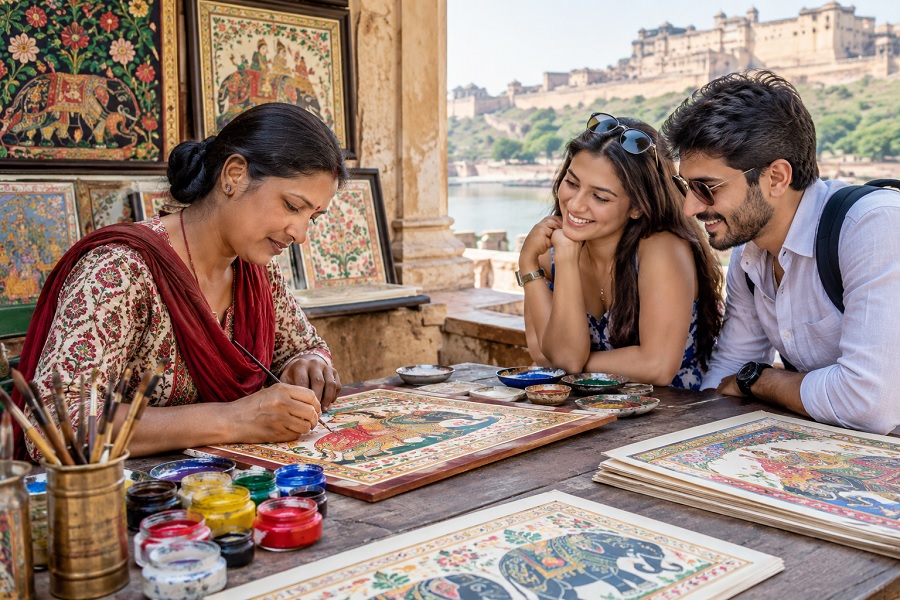
Painting Workshops
Artists guide visitors through regional painting styles.
Popular styles include:
Madhubani
Warli
Gond Art
Watercolor landscapes
Batik painting
Photography Experiences
Professional photographers guide tourists through scenic villages, markets, wildlife areas, and cultural festivals.
Local Music Sessions
Visitors play traditional instruments and enjoy live performances with local musicians.
Village Life Experiences
Guests stay with local families and participate in farming, cooking, handicrafts, and traditional celebrations.
Best Countries for Creative Tourism
India
India offers incredible diversity in art, music, textiles, crafts, cuisine, and festivals.
Highlights include:
Rajasthan craft villages
Kerala cooking schools
Gujarat embroidery workshops
Varanasi silk weaving
Madhubani painting in Bihar
Japan
Traditional tea ceremonies, calligraphy, pottery, kimono making, and origami workshops attract millions.
Italy
Cooking schools, wine making, leather workshops, glass art, and painting tours are popular.
Morocco
Carpet weaving, pottery, leather craftsmanship, and spice markets provide immersive experiences.
Indonesia
Batik art, wood carving, dance workshops, and Balinese cooking classes offer authentic cultural immersion.
Benefits for Local Communities
Creative tourism generates income directly for local people.
Benefits include:
Employment opportunities
Preservation of traditional crafts
Promotion of cultural heritage
Support for women artisans
Youth skill development
Sustainable economic growth
Reduced migration from rural areas
Benefits for Travelers
Visitors gain:
New practical skills
Cultural understanding
Meaningful memories
Personalized souvenirs
Friendships with locals
Stress relief through creativity
Greater appreciation for traditional arts
Sustainable Impact
Creative tourism supports sustainable development by:
Reducing over tourism
Encouraging local entrepreneurship
Preserving endangered crafts
Promoting responsible travel
Supporting eco-friendly production
Minimizing environmental impact
Strengthening cultural identity
Technology and Creative Tourism
Digital innovation is enhancing creative tourism through:
AI-powered travel recommendations
Virtual workshop previews
Online booking platforms
Translation applications
Digital storytelling
Augmented Reality heritage tours
Smart travel planning
Tips for Creative Travelers
Research authentic local workshops.
Book directly with local artisans whenever possible.
Respect local traditions and customs.
Purchase handmade products instead of mass-produced souvenirs.
Learn a few local phrases.
Carry reusable water bottles and eco-friendly bags.
Ask permission before photographing people.
Participate with an open mind.
Support family-owned businesses.
Share responsible travel experiences online.
Future of Creative Tourism
Creative tourism is expected to become one of the fastest-growing segments of global travel. Travelers are increasingly seeking experiences that combine creativity, sustainability, and cultural exchange. Governments and tourism organizations are also investing in community-based tourism initiatives that preserve heritage while creating economic opportunities.
Future trends include AI-assisted travel planning, immersive digital guides, eco-conscious workshops, regenerative tourism, cultural exchange programs, artisan residencies, and hybrid experiences that blend virtual learning with on-site participation.
Conclusion
Creative tourism offers a richer, more meaningful way to travel by encouraging visitors to engage directly with local culture, traditions, and people. From learning traditional crafts and regional cooking to participating in music, dance, and storytelling, these experiences create lasting memories while supporting sustainable development and preserving cultural heritage. As travelers increasingly value authenticity and personal growth, creative tourism is shaping the future of responsible and immersive travel around the world.