The Psychology Behind Color Choices in Outfits
Color is one of the most powerful yet unnoticed parts of fashion. People often choose what to wear based on comfort or trend, but psychology suggests that color plays a deeper role in how we express mood, personality, and even influence how others perceive us. In many ways, the colors we wear communicate before we even speak.
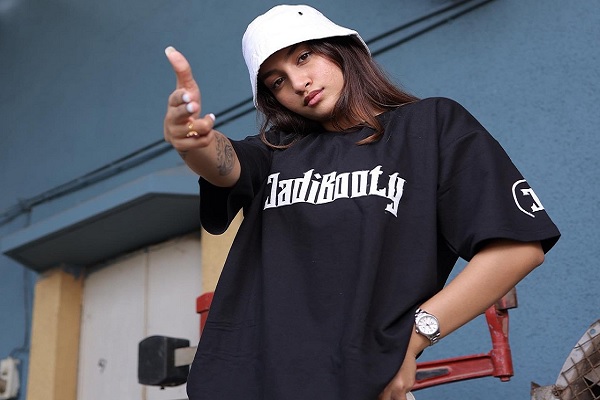
Different colors trigger different emotional responses in both the wearer and the observer. For example, black is often associated with authority, elegance, and mystery. This is why it is commonly seen in formal wear, business meetings, and high-fashion outfits. On the other hand, white represents simplicity, cleanliness, and calmness, which makes it a popular choice for minimal and summer fashion looks.
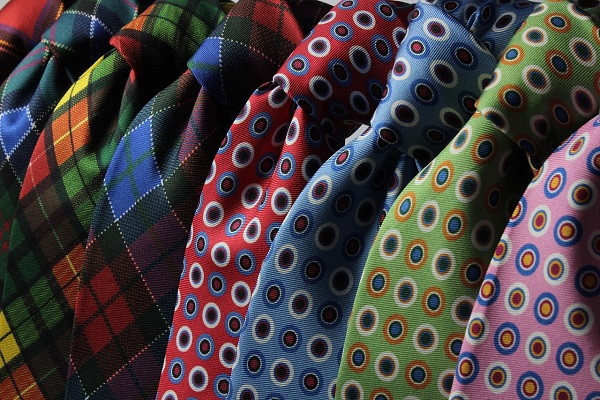
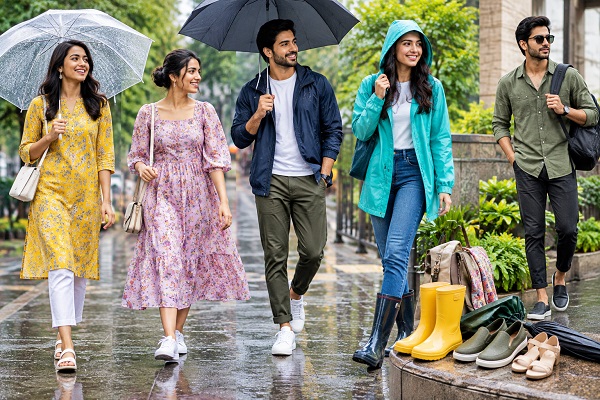
Bright colors like red, yellow, and orange are linked to energy, confidence, and attention. Red, in particular, is known to increase perceived attractiveness and dominance, which is why it is often used in bold outfits or statement pieces. Yellow reflects optimism and creativity, while orange gives a sense of warmth and friendliness, often used in casual and youthful fashion styles.
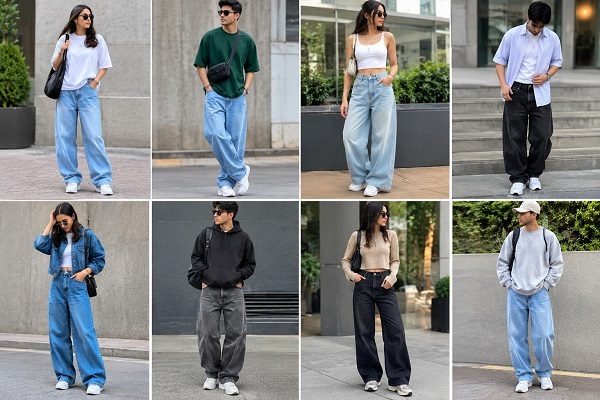
Cool colors such as blue, green, and purple are associated with calmness, trust, and stability. Blue is widely used in corporate and everyday fashion because it creates a sense of reliability and professionalism. Green reflects balance and nature, making it popular in relaxed and eco-inspired fashion choices. Purple, historically linked to royalty, often represents luxury and individuality in modern outfits.
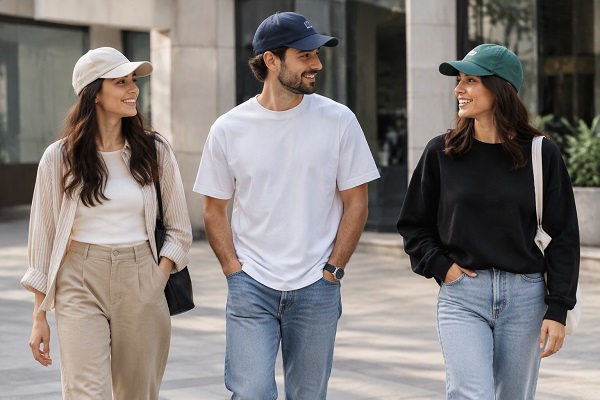
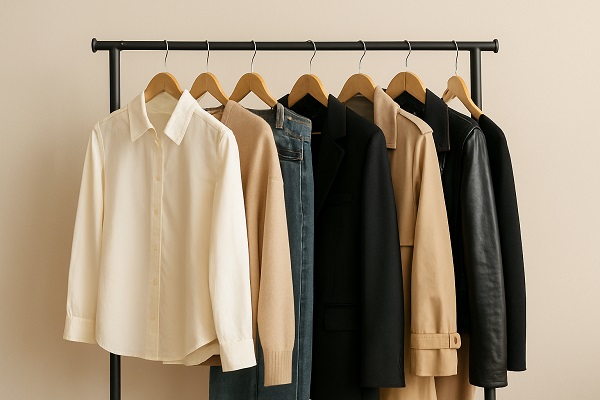
Neutral tones like beige, grey, and brown are often chosen by people who prefer subtlety and understated elegance. These colors reflect maturity, simplicity, and practicality. In recent years, neutral palettes have become a major trend in minimalist and “clean girl” aesthetics, especially among Gen Z fashion preferences.
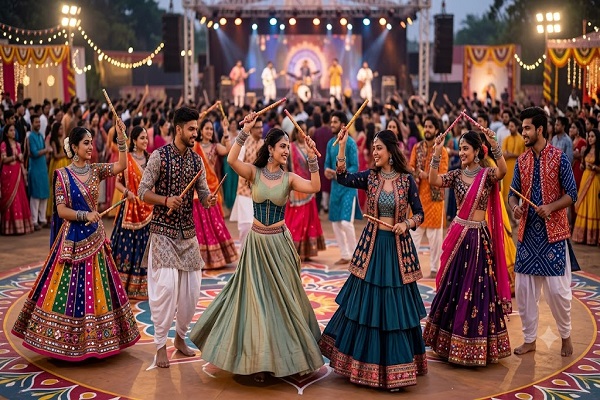
Beyond symbolism, color choices are also influenced by mood and context. People often dress in darker tones during formal or serious situations, while brighter shades are preferred in social or celebratory environments. Seasonal changes also affect color selection, with lighter tones in summer and deeper shades in winter fashion.
Ultimately, color psychology in fashion is not about strict rules but about expression. Every outfit becomes a reflection of how a person feels or how they want to be perceived. Whether intentional or subconscious, color choices play a silent but powerful role in shaping personal style and identity.