How Climate Change Is Influencing Fashion Choices and Reshaping the Future of the Fashion Industry

Climate change is no longer just an environmental issue — it is becoming a major force influencing consumer behavior, global industries, and lifestyle choices, including fashion. As awareness about sustainability grows, people are beginning to rethink how their clothing choices impact the planet. The fashion industry, once known for fast production and excessive consumption, is now facing increasing pressure to adopt more responsible and eco-friendly practices.
One of the biggest changes driven by climate awareness is the rise of sustainable fashion. Consumers are increasingly choosing clothing made from organic cotton, recycled fabrics, biodegradable materials, and ethically sourced textiles. Many fashion brands are now promoting eco-conscious collections that focus on reducing waste, water usage, and carbon emissions.
Fast fashion, which relies on mass production and short-lived trends, has come under criticism for contributing heavily to pollution and textile waste. Reports show that millions of tons of clothing end up in landfills every year, creating serious environmental challenges. As a result, many consumers are shifting toward slow fashion — investing in high-quality, durable clothing instead of disposable trends.
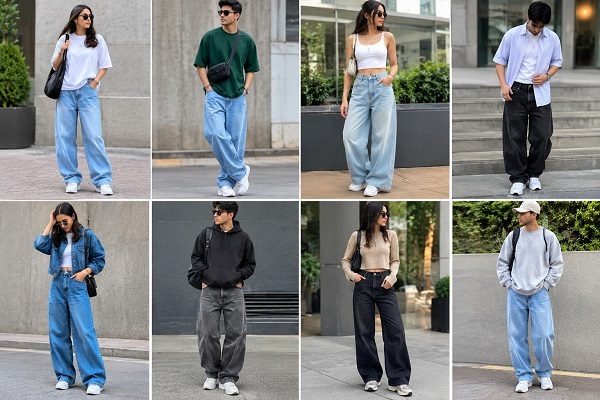
Climate change is also influencing seasonal fashion patterns. Rising global temperatures and unpredictable weather conditions are changing the way designers approach fabrics, colors, and collections. Lightweight materials, breathable fabrics, versatile layering, and climate-adaptive clothing are becoming more popular as people seek comfort in changing weather conditions.
Another growing trend is second-hand and circular fashion. Thrift shopping, clothing rental platforms, vintage fashion, and resale marketplaces are gaining popularity among younger consumers who want stylish yet sustainable options. This shift reflects a broader movement toward reducing overconsumption and extending the life cycle of clothing products.
Technology is also playing a major role in sustainable fashion innovation. Brands are experimenting with AI-driven production planning, digital fashion design, 3D printing, plant-based leather alternatives, and eco-friendly dyeing techniques to minimize environmental impact. Sustainable packaging and transparent supply chains are becoming important factors influencing customer trust.
Social media has further accelerated awareness around climate-conscious fashion. Influencers, activists, and fashion creators are encouraging audiences to support ethical brands, repeat outfits, and make mindful purchasing decisions. Sustainability is increasingly becoming a symbol of modern style and responsible living.
The influence of climate change on fashion choices reflects a larger cultural transformation. Fashion is evolving from a system focused purely on trends and consumption to one centered around responsibility, innovation, and long-term sustainability. As environmental concerns continue to grow, the future of fashion will likely depend on how successfully the industry balances creativity with climate responsibility.