The Evolution of Global Fashion Weeks (Paris, Milan, New York) and Recent Developments
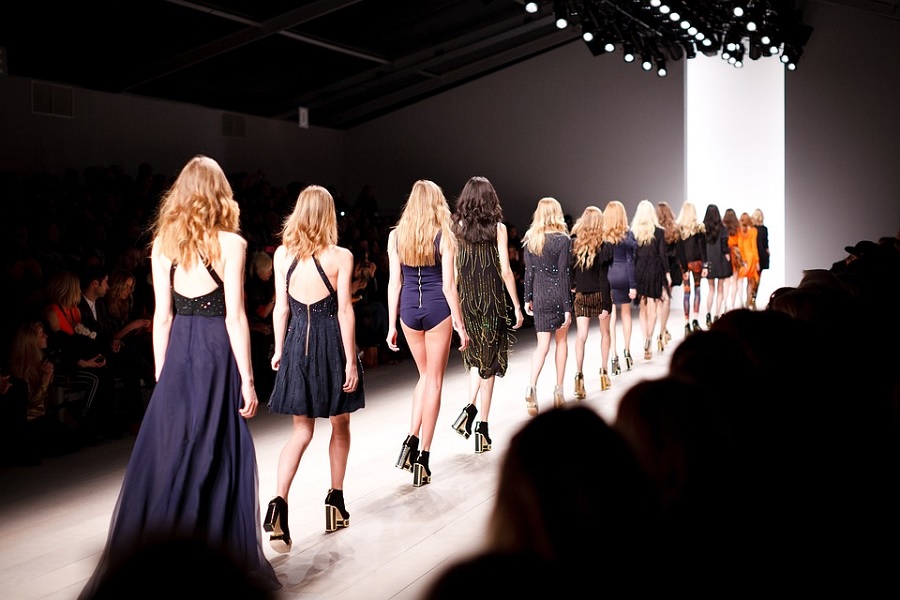
Global fashion weeks in Paris, Milan, and New York have long been the defining pillars of the international fashion industry. What began as exclusive, invitation-only runway presentations has now transformed into a globally accessible cultural phenomenon that blends creativity, commerce, and technology.
Traditionally, each fashion capital carried a distinct identity. New York Fashion Week focused on modern, wearable, and commercially viable fashion, often reflecting urban lifestyle and innovation. Milan Fashion Week stood for luxury, craftsmanship, and refined tailoring, highlighting the heritage of iconic Italian houses. Paris Fashion Week remained the artistic peak of the fashion calendar, known for haute couture, avant-garde designs, and bold creative storytelling.
In recent years, fashion weeks have undergone a major transformation driven by digital innovation and changing consumer behavior. Runway shows are no longer limited to physical audiences. Many brands now stream collections online, allowing global audiences to experience shows in real time. Social media platforms like Instagram have become essential tools for instant trend dissemination, where runway looks can go viral within minutes.
A major recent shift in the 2025–2026 fashion cycle is the integration of technology into design and presentation. Designers are experimenting with AI-assisted concepts, digital garments, and immersive runway environments. Instead of traditional static shows, some presentations now use interactive lighting, projection mapping, and virtual effects to enhance storytelling on the runway. Fashion is increasingly blending with digital art and innovation.
Another important development is the strong push toward sustainable and conscious fashion. Modern fashion weeks are placing greater emphasis on eco-friendly materials, ethical production, and long-lasting design. Collections are moving away from fast-fashion excess and focusing more on timeless silhouettes, recycled fabrics, and responsible manufacturing practices.
Fashion weeks have also become more inclusive and diverse. There is greater representation of different body types, cultures, and identities on the runway. This shift reflects a broader industry effort to move away from narrow beauty standards and embrace a more global definition of style.
The influence of digital creators and celebrities has also reshaped fashion weeks. Front-row appearances, influencer collaborations, and behind-the-scenes content now play a major role in shaping public perception of collections. A runway show is no longer just an industry event—it is a global media moment that extends far beyond the physical venue.
Additionally, fashion weeks are becoming more experiential and immersive. Designers are treating shows as storytelling platforms, combining fashion with performance, music, and cinematic elements. Some collections are designed not just to be worn, but to create emotional and visual experiences that connect with audiences on a deeper level.
In conclusion, global fashion weeks in Paris, Milan, and New York have evolved from traditional runway showcases into hybrid platforms of creativity, technology, and global communication. While each city still maintains its unique identity, all three are now connected by innovation, sustainability, and digital influence. The future of fashion weeks lies in their ability to merge artistry with technology while staying relevant to a rapidly changing world.