History of Streetwear Culture
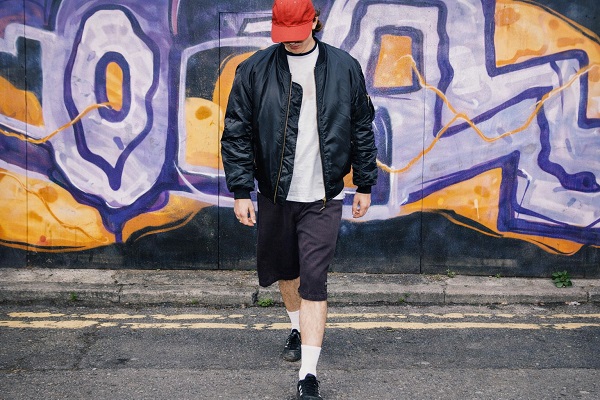
Streetwear is one of the most influential fashion movements of the modern era, shaping global style from New York sidewalks to Tokyo runways. What began as a subculture rooted in skateboarding, hip-hop, and youth rebellion has evolved into a multi-billion-dollar industry that now sits alongside luxury fashion houses.
Origins: California Surf and Skate Culture (1970s–1980s)
Streetwear’s earliest roots can be traced to 1970s California, where surf and skate culture shaped a laid-back, rebellious aesthetic. Brands like Stüssy emerged from this environment, starting as small, independent labels catering to surfers and skaters.
The clothing was simple but expressive—graphic T-shirts, loose shorts, sneakers, and caps. The focus was not luxury but identity and belonging within a community that rejected mainstream fashion norms.
Rise of Hip-Hop Influence (1980s–1990s)
In the 1980s, streetwear evolved significantly with the rise of hip-hop culture in New York. Artists and breakdancers began using fashion as a form of expression and status. Sneakers, tracksuits, oversized clothing, and bold logos became symbols of identity and confidence.
Brands like Nike and Adidas became deeply embedded in street culture, especially through basketball and music endorsements.
At this stage, streetwear was no longer just skate fashion—it became a cultural movement tied to music, dance, and urban identity.
The Japanese Revolution (1990s–2000s)
In the 1990s, Japan played a major role in redefining streetwear. Designers like Nigo (Nigo) introduced brands such as A Bathing Ape (BAPE), which blended American hip-hop aesthetics with Japanese design precision.
Japanese streetwear emphasized exclusivity, limited drops, and bold graphics—concepts that would later define modern hype culture.
Luxury Meets Streetwear (2000s–2010s)
The 2000s marked a turning point when streetwear began merging with high fashion. Designers like Virgil Abloh (Virgil Abloh) blurred the line between luxury and street style through brands like Off-White.
Collaborations between sportswear brands and luxury houses—such as sneakers released by high-end designers—helped streetwear gain global legitimacy.
Social Media and Hype Culture (2010s–Present)
The rise of social media transformed streetwear into a global phenomenon. Platforms like Instagram and TikTok made limited drops, sneaker releases, and fashion trends instantly viral.
Resale platforms and hype-driven brands such as Supreme turned scarcity into value, where limited availability increased demand and cultural status.
Streetwear also became deeply tied to celebrity culture, with artists, athletes, and influencers shaping trends in real time.
Streetwear Today: Global and Hybrid
Today, streetwear is no longer confined to a single culture or geography. It blends elements of luxury fashion, sportswear, music, and digital culture. Designers experiment with sustainability, digital fashion, and even virtual clothing in gaming and metaverse environments.
What started as underground self-expression has become a dominant force in global fashion—but its core identity remains the same: individuality, rebellion, and cultural storytelling.
Conclusion
The history of streetwear culture is a story of evolution—from surfboards to sneakers, from graffiti to global runways. It reflects how youth culture continuously reshapes fashion and challenges traditional luxury norms. Even as it becomes more commercial, streetwear remains rooted in authenticity and community expression.