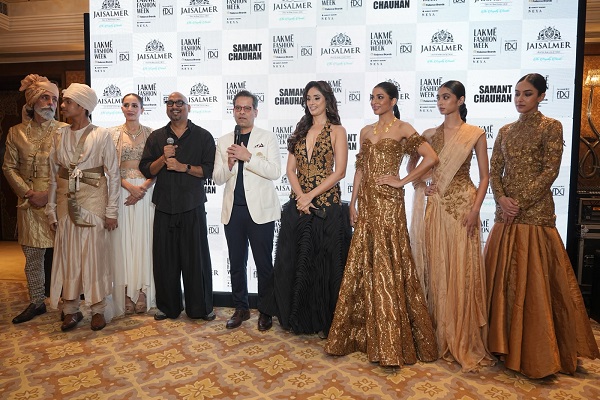
Fashion Photography Trends: Capturing Style in the Digital Age
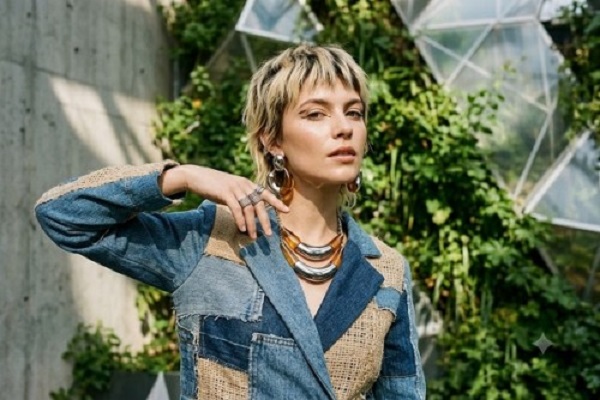
Fashion photography has always been at the heart of the fashion industry, showcasing clothing, accessories, and beauty in visually captivating ways. Over the years, technological advancements, social media platforms, and changing consumer preferences have transformed the way fashion is photographed and presented. Today, fashion photography is more creative, inclusive, and experimental than ever before.
The Evolution of Fashion Photography
Traditional fashion photography focused heavily on studio shoots, professional models, and highly controlled environments. While these elements remain important, modern fashion photography embraces authenticity, storytelling, and artistic expression. Photographers now combine fashion with lifestyle elements, creating images that connect emotionally with audiences.
Key Fashion Photography Trends
1. Natural and Authentic Imagery
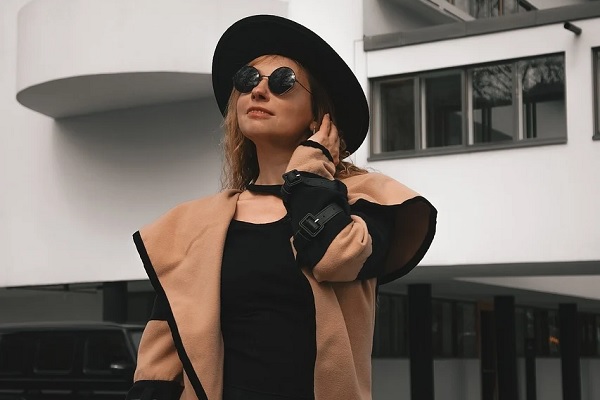
Consumers are increasingly drawn to genuine and relatable content. Fashion brands are moving away from heavily edited images and embracing natural lighting, candid poses, and real-life settings. This approach helps create a stronger connection between brands and their audiences.
2. Diversity and Inclusivity
One of the most significant trends in fashion photography is the celebration of diversity. Brands now feature models of different ages, body types, ethnicities, and abilities. Inclusive photography reflects real-world beauty and resonates with a broader audience.
3. Sustainable Fashion Storytelling
As sustainability becomes a priority, photographers are highlighting eco-friendly fashion through nature-inspired shoots and environmentally conscious themes. Outdoor locations, recycled materials, and minimalist aesthetics help communicate sustainability messages effectively.
4. Social Media-Driven Content
Platforms such as Instagram, Pinterest, and TikTok have reshaped fashion photography. Vertical formats, short-form visual storytelling, and mobile-friendly compositions are becoming increasingly important. Photographers often create content optimized specifically for social media engagement.
5. Cinematic Visuals
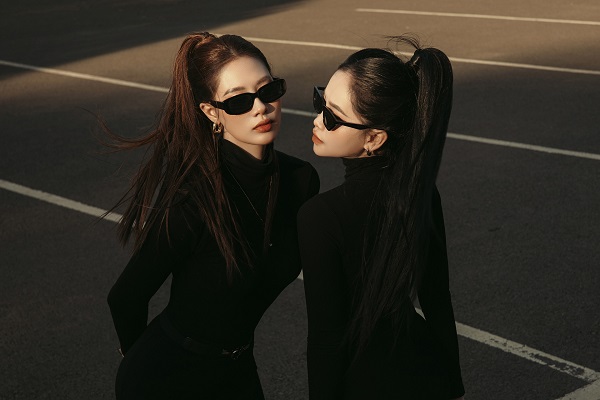
Fashion photography is increasingly borrowing techniques from filmmaking. Dramatic lighting, dynamic compositions, and storytelling elements create cinematic images that capture attention and evoke emotion. These visuals often resemble scenes from movies rather than traditional fashion shoots.
6. Motion and Dynamic Photography
Static poses are giving way to movement-based photography. Models walking, dancing, jumping, or interacting naturally with their surroundings create more energetic and engaging images. Motion photography adds life and authenticity to fashion campaigns.
7. AI and Digital Enhancement
Artificial intelligence and advanced editing tools are transforming fashion photography. AI-assisted editing, virtual backgrounds, and digital fashion concepts allow photographers to experiment with creative ideas while maintaining efficiency and consistency.
8. Retro and Vintage Aesthetics
Fashion often revisits past eras, and photography follows suit. Film-inspired textures, grain effects, nostalgic color palettes, and vintage styling are making a strong comeback. These elements add character and uniqueness to fashion imagery.
9. Minimalist Photography
Clean backgrounds, simple compositions, and focus on the subject remain popular. Minimalist fashion photography emphasizes clothing details, textures, and design without unnecessary distractions.
10. Editorial Storytelling
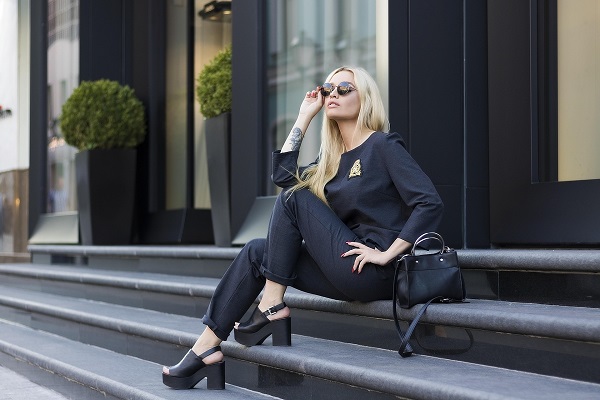
Modern fashion photography goes beyond showcasing products. Editorial-style shoots tell stories, communicate emotions, and build brand identity. These narratives help audiences connect with fashion on a deeper level.
The Role of Technology
Advanced cameras, drones, smartphones, and editing software have expanded creative possibilities for photographers. High-resolution imagery, aerial perspectives, and innovative post-production techniques allow for greater artistic freedom than ever before.
Future of Fashion Photography
The future of fashion photography will likely be shaped by emerging technologies such as virtual reality, augmented reality, and AI-generated content. However, authenticity, creativity, and storytelling will continue to remain at the core of successful fashion imagery.
Conclusion
Fashion photography is constantly evolving to reflect cultural shifts, technological innovations, and changing consumer expectations. From inclusive representation and sustainable storytelling to cinematic visuals and AI-enhanced creativity, today's trends demonstrate how fashion photography continues to push artistic boundaries while connecting with audiences in meaningful ways. As the industry advances, photographers who embrace innovation while maintaining authenticity will lead the next generation of fashion imagery.