Record Pulses Buffer Strengthens India Against El Niño Risks by Amit Gupta, Kedia Advisory
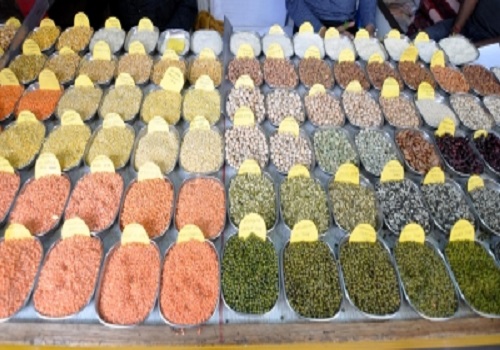
India's record pulses buffer stock of 43 lakh tonnes is expected to help contain supply disruptions and price volatility if El Niño conditions adversely affect the upcoming kharif season. According to the government, the buffer stock has more than doubled from 18 lakh tonnes a year ago, supported by an assured procurement policy aimed at boosting domestic production and reducing import dependence. The reserve can be utilized if below-normal monsoon rainfall impacts sowing and crop yields. With pulses capable of being stored for several years, the government remains confident about maintaining supply stability and controlling food inflation.
Key Highlights
- India has built a record pulses buffer stock of 43 lakh tonnes.
- Buffer stocks have more than doubled compared to last year.
- Reserves may be used if El Niño affects kharif crop production.
- Assured procurement policy helped increase domestic pulse availability.
- Large stocks are expected to help contain price volatility and inflation.
India's pulses market is expected to remain well-supported despite concerns over a possible El Niño event, as the government has accumulated a record buffer stock of 43 lakh tonnes. The substantial reserve is being viewed as a key safeguard against potential supply disruptions and price spikes that could arise if below-normal monsoon rainfall affects the upcoming kharif sowing season.
The current buffer stock represents a significant increase from 18 lakh tonnes held during the same period last year and is also well above the 21 lakh tonnes recorded in May 2024. The sharp rise in stocks reflects the success of the government's assured procurement strategy, which was introduced to encourage domestic pulse production, strengthen farmer confidence, and reduce India's dependence on imports.
According to government officials, the buffer stock will not be released immediately and will instead be preserved as a strategic reserve. In the event that El Niño conditions adversely impact rainfall patterns, crop acreage, or yields during the kharif season, the government can utilize these stocks to stabilize market supplies and prevent excessive price increases.
The India Meteorological Department (IMD) has forecast below-normal southwest monsoon rainfall and indicated the possibility of El Niño developing during the season. Such weather conditions could affect sowing activities and crop productivity in several rainfed agricultural regions. Recognizing these risks, the Agriculture Ministry has already initiated contingency planning and preparedness measures to minimize potential disruptions.
Another key advantage is the long storage life of pulses. Since pulses can be safely stored for two to three years without significant quality deterioration, authorities have flexibility in managing supplies and responding to market conditions whenever necessary.
India's record pulses buffer provides a strong supply cushion against weather-related production risks, helping ensure market stability, control food inflation, and reduce reliance on imports during uncertain monsoon conditions.
Above views are of the author and not of the website kindly read disclaimer