Exploring the Silk Route: History, Heritage and Cultural Experiences
Silk Route Cultural Tourism: Exploring the Ancient Path of Civilizations
Introduction
Silk Route Cultural Tourism offers travellers an opportunity to explore one of the world's most fascinating historical networks of trade, culture and human connection. The ancient Silk Routes linked Asia, Europe, the Middle East and parts of Africa, creating pathways through which goods, ideas, religions, art and technologies travelled across continents.
Today, Silk Route tourism attracts history lovers, cultural travellers and adventure seekers who want to experience ancient cities, historic monuments, traditional markets, religious sites and diverse local communities. From China and Central Asia to India, Iran and beyond, the Silk Routes continue to provide remarkable cultural travel experiences.
What Is Silk Route Cultural Tourism?
Silk Route Cultural Tourism focuses on exploring destinations connected with the historic trade networks commonly known as the Silk Roads. These routes were not a single road but a vast network of land and maritime pathways connecting different civilizations.
Silk, spices, precious stones and other valuable products travelled along these routes. More importantly, the Silk Routes encouraged cultural exchange between communities separated by thousands of kilometres.
Travellers today can explore ancient caravan cities, archaeological sites, forts, markets, monasteries and cultural centres connected to this extraordinary period of history.
The Historical Importance of the Silk Routes
The Silk Routes played a major role in connecting civilizations for centuries. Merchants, scholars, artists and travellers moved between regions, sharing knowledge and traditions.
The routes contributed to the spread of:
Art and architecture
Religious traditions
Languages and literature
Scientific knowledge
Food and agricultural practices
Textiles and handicrafts
Music and cultural traditions
This cultural exchange helped shape many of the societies and civilizations that travellers can explore today.
Popular Destinations for Silk Route Cultural Tourism
1. Central Asia
Central Asia is one of the most important regions for Silk Route tourism. Ancient cities became major centres of trade and cultural exchange.
Historic architecture, traditional markets and ancient monuments continue to attract cultural travellers interested in the history of the Silk Routes.
2. India
India played an important role in ancient trade and cultural connections across Asia. Several regions became connected with historic trade routes that encouraged the movement of goods, ideas and religious traditions.
Cultural travellers can explore ancient cities, Buddhist heritage sites, mountain regions and historic trading communities connected to these wider networks.
3. China
China is closely associated with the history of silk production and the development of major trade routes across Asia. Travellers can explore historic cities, cultural landmarks and regions associated with ancient Silk Road journeys.
4. Iran
Iran contains many historic cities and cultural sites connected with ancient trade networks. Traditional architecture, bazaars and caravanserais provide visitors with a deeper understanding of the commercial and cultural importance of the region.
5. Turkey
Turkey's location between Asia and Europe made it an important crossroads for trade and cultural exchange. Historic cities and ancient marketplaces offer travellers opportunities to explore the cultural connections created through centuries of movement and commerce.
Ancient Cities and Caravanserais
One of the most interesting aspects of Silk Route Cultural Tourism is exploring ancient cities that once welcomed merchants and travellers.
Caravanserais were important resting places along trading routes. Merchants could stop, rest and exchange goods before continuing their journeys.
Many historic cities developed around these trading networks and became important centres of architecture, education, religion and commerce.
Today, restored monuments and archaeological sites allow visitors to imagine the journeys of ancient travellers crossing deserts, mountains and vast landscapes.
Cultural Experiences Along the Silk Routes
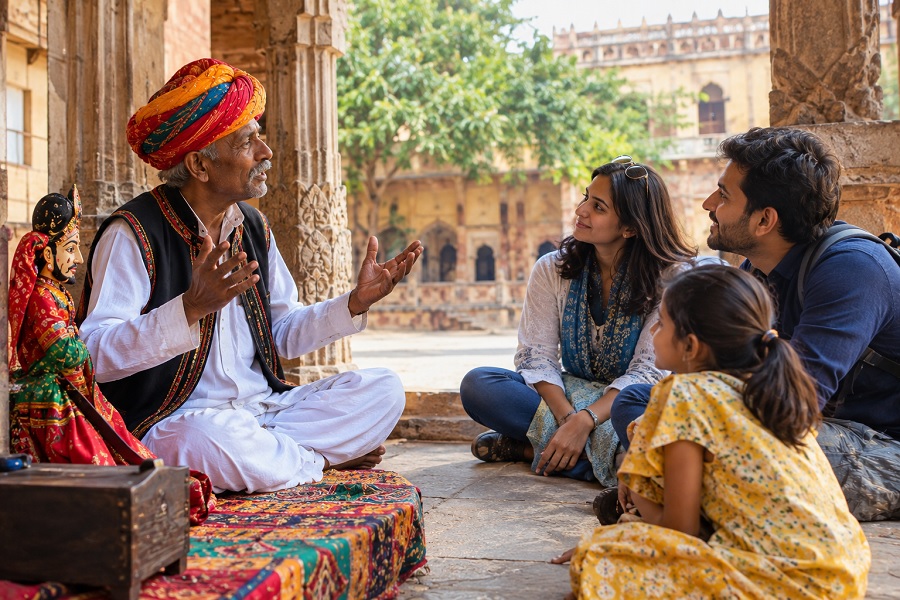
Silk Route tourism is not limited to historical monuments. It also provides opportunities to experience living cultures.
Travellers can enjoy:
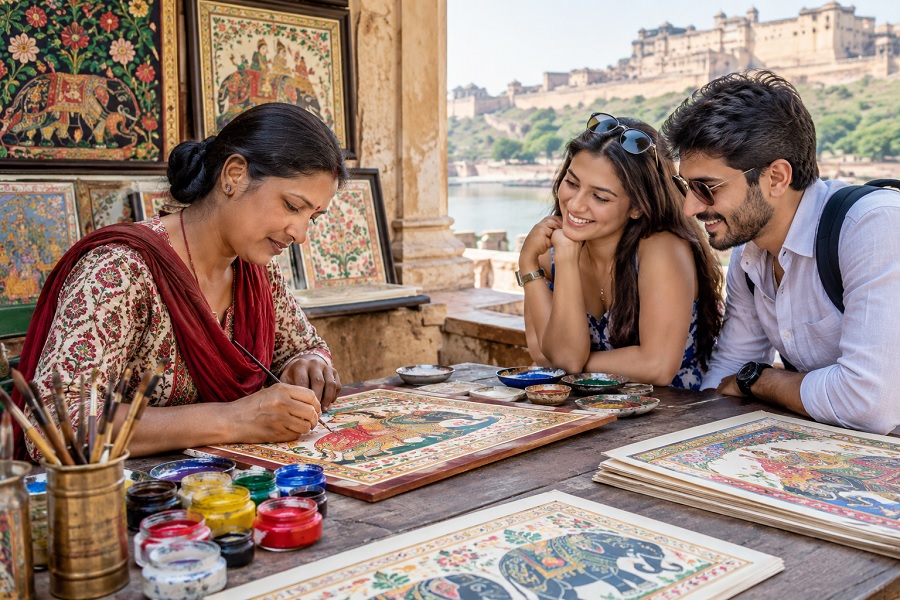
Traditional handicraft workshops
Local food experiences
Historic market visits
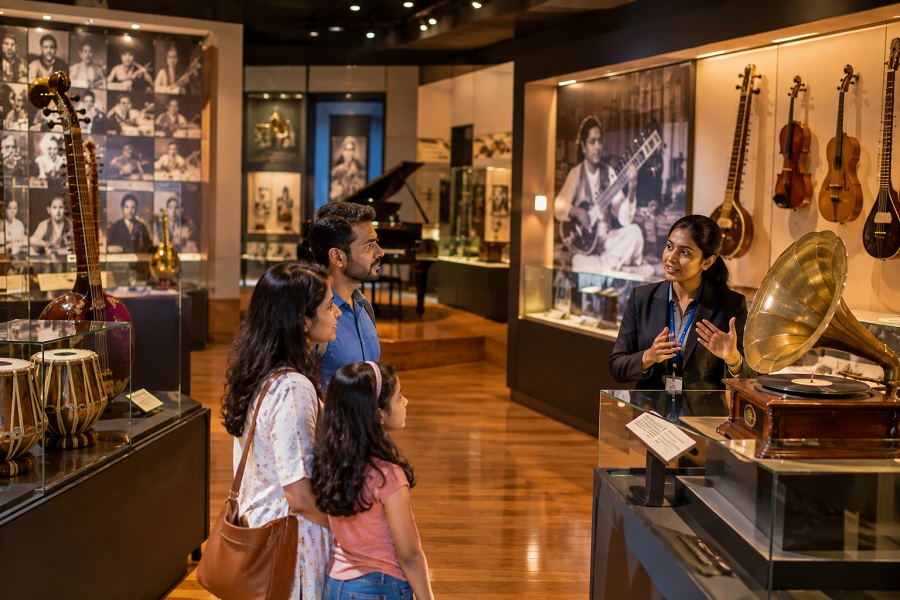
Traditional music and dance performances
Cultural festivals
Textile and silk-making demonstrations
Heritage walking tours
Local village experiences
Traditional architecture tours
These experiences help visitors understand how ancient cultural traditions continue to influence modern communities.
Traditional Silk and Handicraft Tourism
Silk remains one of the most famous symbols of the ancient trade routes. In several destinations, travellers can visit workshops where traditional textile-making techniques are still practised.
Handicraft tourism may include:
Silk weaving
Carpet making
Pottery
Jewellery making
Wood carving
Embroidery
Traditional textile production
Supporting local artisans can also help travellers connect with authentic cultural traditions while contributing to local communities.
Food Tourism Along the Silk Routes
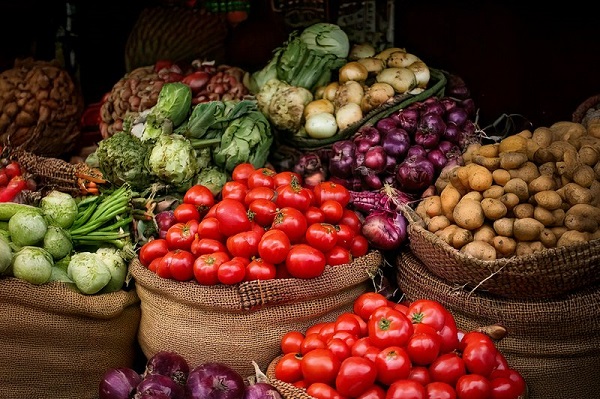
Food is another important part of Silk Route Cultural Tourism. Trade routes helped spread spices, ingredients and cooking traditions between regions.
Travellers can explore traditional dishes influenced by centuries of cultural interaction. Historic markets and local restaurants often provide opportunities to discover regional flavours and culinary traditions.
Food tours can include visits to spice markets, traditional kitchens, local bakeries and community restaurants.
Adventure and Cultural Travel
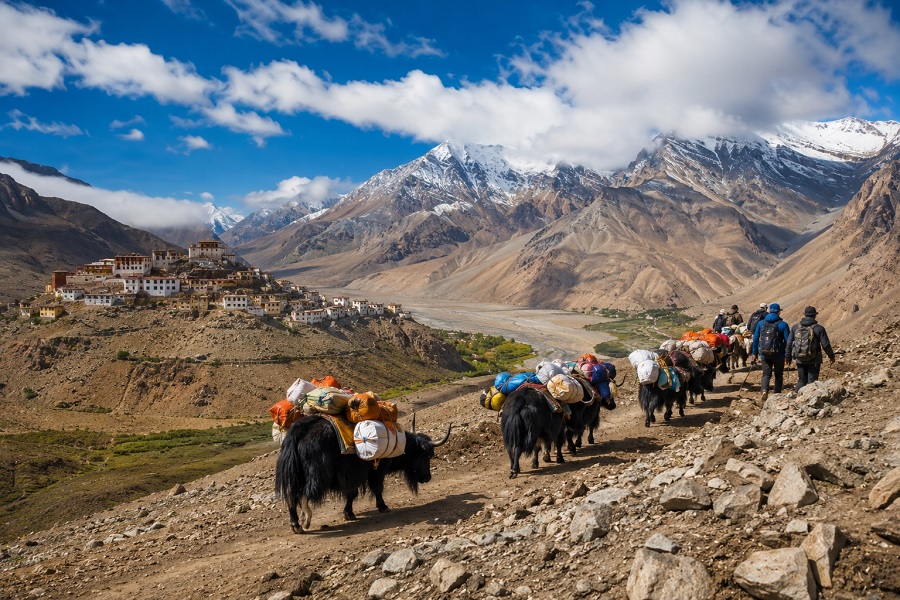
The Silk Routes crossed some of the world's most dramatic landscapes. Mountains, deserts, valleys and remote regions formed part of historic travel networks.
Modern travellers can combine cultural exploration with adventure activities such as:
Mountain journeys
Desert travel
Hiking
Scenic road trips
Horseback experiences
Village exploration
Historic railway journeys
This combination of culture and adventure makes Silk Route tourism appealing to travellers seeking meaningful and diverse experiences.
Sustainable Silk Route Tourism
Sustainable tourism is becoming increasingly important for historic destinations. Popular heritage locations need responsible visitor management to protect monuments, landscapes and local communities.
Responsible Silk Route travellers can:
Respect local traditions and customs
Support local guides and businesses
Buy authentic local handicrafts
Reduce unnecessary waste
Follow rules at heritage sites
Respect religious and cultural locations
Choose responsible tourism operators
Sustainable tourism can help preserve cultural heritage while creating economic opportunities for local communities.
Why Silk Route Cultural Tourism Is Growing
Modern travellers are increasingly interested in experiences that offer history, culture and meaningful connections. Instead of simply visiting popular attractions, many tourists want to understand the stories behind destinations.
Silk Route Cultural Tourism offers a combination of:
Ancient history
Cultural diversity
Architecture
Food experiences
Adventure travel
Local traditions
Heritage exploration
Scenic landscapes
The growth of experiential and heritage-focused travel is creating renewed interest in destinations connected with ancient trade routes.
Future of Silk Route Cultural Tourism
The future of Silk Route tourism is likely to focus increasingly on sustainable travel, digital storytelling and immersive cultural experiences.
Technology can help visitors understand historic locations through interactive guides, digital maps and immersive heritage experiences. At the same time, local communities and cultural organisations can play an important role in protecting traditional knowledge and heritage.
Future travellers may increasingly choose smaller cultural destinations and lesser-known historic communities connected with ancient trading networks.
Conclusion
Silk Route Cultural Tourism provides a remarkable journey through history, culture and civilization. The ancient networks connected communities across continents and helped shape art, trade, religion, food and traditions.
Today, travellers can follow parts of these historic pathways while exploring ancient cities, traditional markets, cultural landscapes and living communities. From historic architecture and silk weaving to local cuisine and adventure travel, Silk Route tourism offers experiences that combine education, exploration and cultural discovery.
For travellers interested in history and authentic cultural experiences, exploring the legacy of the Silk Routes can be one of the most rewarding journeys in the world.