Exploring Local Markets Alone: A Solo Traveler’s Guide to Authentic Experiences
Local Market Exploration for Solo Travelers
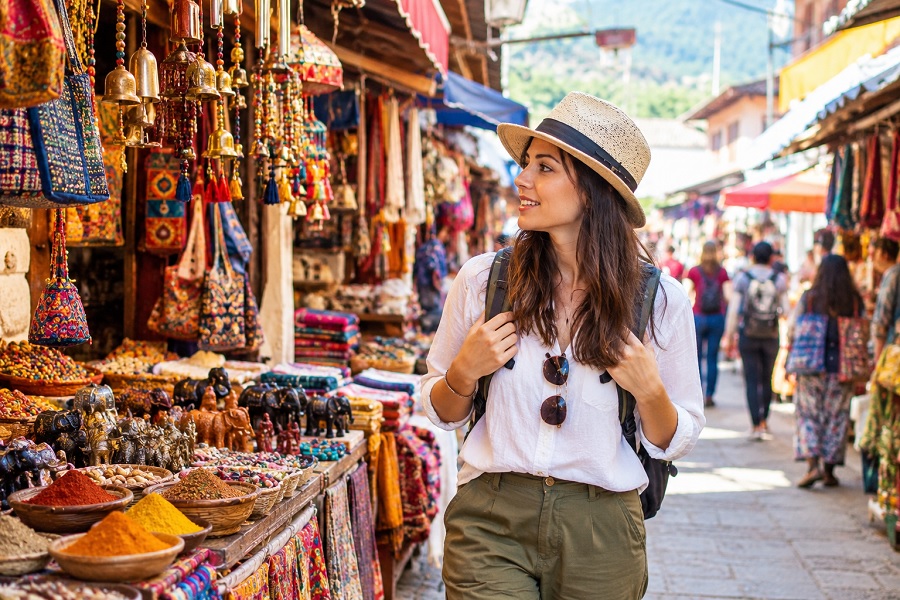
Local markets offer solo travelers a chance to experience a destination beyond famous landmarks and tourist attractions. A market can reveal everyday food habits, traditional crafts, local businesses, regional ingredients, clothing, customs and community life in one place.
In 2026, travel trends are increasingly emphasizing meaningful, immersive and community-connected experiences. Goa Tourism, for example, has promoted travel that encourages visitors to engage with local people, traditions and village life, while India's tourism guidance encourages travelers to support local businesses, purchase local products and respect local culture.
Why Local Markets Are Great for Solo Travelers
Traveling alone gives you the freedom to explore a market at your own pace. You can spend more time at a craft stall, try a regional snack, talk with a vendor or simply observe the daily rhythm of the destination without having to coordinate with a group.
Markets can also provide a more direct connection to local communities. Community-led tourism initiatives in India increasingly involve artisans, farmers, food producers and local guides, helping visitors understand the people behind local products and traditions.
What to Explore at a Local Market
1. Regional Food
Food markets are often among the best places to discover regional flavors. Look for seasonal fruits, traditional snacks, spices, sweets, grains and locally prepared dishes.
For solo travelers, trying one or two unfamiliar foods can become a memorable part of the trip. Choose busy stalls with good food-handling practices and consider starting with small portions.
2. Handmade Crafts
Local markets often feature textiles, pottery, baskets, woodwork, jewelry, artwork and other handmade products.
Instead of buying mass-produced souvenirs, travelers can look for products made by local artisans. India's tourism guidance specifically encourages visitors to support local businesses and purchase local or upcycled handicrafts where possible.
3. Fresh Produce
Farmers' markets provide an opportunity to see what is grown and consumed locally. Seasonal vegetables, fruits, herbs and grains can tell you a lot about the region's climate and food traditions.
4. Traditional Clothing and Textiles
Markets can be excellent places to discover regional fabrics, embroidery and traditional clothing. Ask vendors about the material, production process and local significance before purchasing.
5. Local Festivals and Night Markets
Some markets become especially lively during festivals or after sunset. India's night markets offer combinations of food, handicrafts, music and shopping, creating a different atmosphere from daytime markets.
Tips for Solo Travelers Visiting Local Markets
Research before visiting: Check opening days and hours because traditional weekly markets may operate only on particular days.
Carry small amounts of local currency: Smaller vendors may not accept digital payments or cards.
Keep valuables secure: Crowded markets require the same precautions as other busy public spaces.
Dress appropriately: Clothing that respects local customs can make cultural interactions more comfortable.
Learn a few local words: Simple phrases such as hello, thank you and how much can make communication easier.
Ask before taking photographs: Vendors, artisans and community members may not want to be photographed. Responsible tourism initiatives in India emphasize consent and respectful interaction.
Avoid aggressive bargaining: Negotiating can be part of shopping in some markets, but pushing prices extremely low can undermine small vendors and artisans.
Take your time: One advantage of solo travel is having the freedom to explore without following a fixed group schedule.
How to Shop Responsibly
A local market should be treated as a working community space, not simply a tourist attraction. Travelers can make a positive contribution by purchasing directly from local sellers, respecting cultural practices and avoiding unnecessary waste.
The Ministry of Tourism recommends supporting local businesses and communities, spending part of the travel budget on local products, choosing responsible local experiences and respecting local culture and heritage.
When purchasing handmade goods, consider asking:
Who made the product?
Where was it produced?
What materials were used?
Is it handmade or commercially manufactured?
How should it be transported or cared for?
Does the purchase directly support a local maker?
These simple questions can make souvenir shopping more meaningful.
Local Markets and Slow Travel
Market exploration fits naturally with slow travel. Instead of rushing through several attractions, a solo traveler can spend a morning visiting a neighborhood market, eating a local breakfast, walking through nearby streets and speaking with small business owners.
Recent travel discussions around slow travel have highlighted markets as places where visitors can observe everyday community life rather than simply pass through major tourist attractions.
Safety Tips for Solo Market Exploration
Solo travelers should remain aware of their surroundings, especially in crowded markets.
Keep your phone and wallet secure, avoid displaying large amounts of cash, use reputable transportation and share your itinerary with someone you trust when exploring an unfamiliar area.
For evening markets, choose well-populated areas and plan your return transportation before you begin exploring.
Best Market Experiences for Solo Travelers
Depending on the destination, consider exploring:
Farmers' markets
Traditional bazaars
Handicraft markets
Textile markets
Spice markets
Flower markets
Food streets
Night markets
Flea markets
Book markets
Vintage markets
Festival markets
Village weekly markets
Artisan cooperatives
Local produce markets
Making the Most of Your Market Visit
Rather than treating shopping as the main goal, use the market as an opportunity to understand the destination.
Try a traditional breakfast, watch an artisan work, learn about regional ingredients, photograph architecture where permitted, purchase a locally made souvenir and talk respectfully with vendors.
This approach turns a simple shopping trip into a cultural experience.
Conclusion
Local Market Exploration for Solo Travelers is an accessible way to discover the food, crafts, traditions and everyday life of a destination. Solo travelers have the flexibility to explore markets slowly, interact with local sellers and choose experiences that match their interests.
With responsible shopping, cultural respect, basic safety precautions and an open mind, local markets can become one of the most memorable parts of a solo journey. In 2026, as travel continues moving toward more meaningful and community-connected experiences, markets offer a simple way to experience a destination through the people who live and work there.