Solo Travel Stay Guide: Finding Safe, Affordable and Comfortable Places to Stay
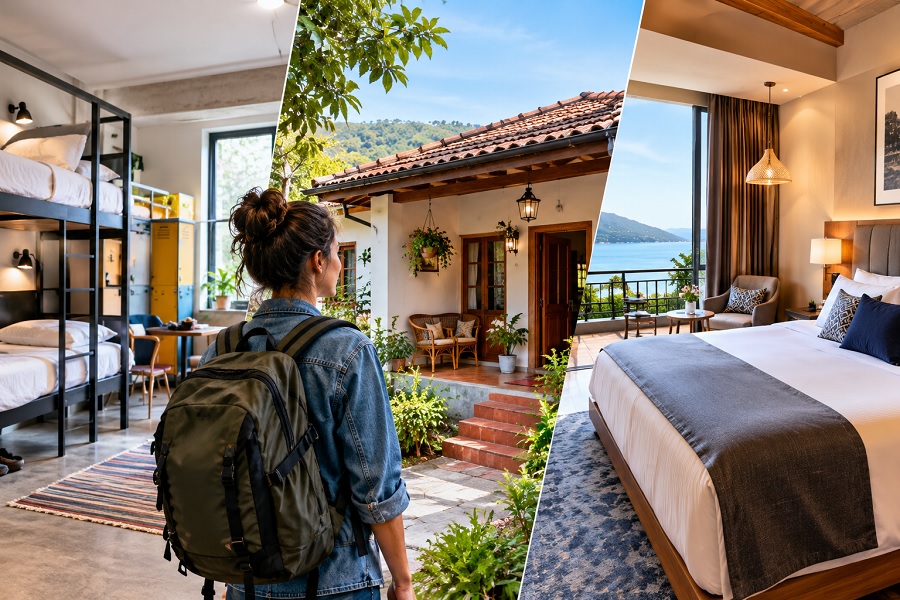
Solo Travel Accommodation: Choosing Hostels, Homestays and Boutique Hotels
Introduction
Solo travel has become a popular way to explore new destinations, experience different cultures, and enjoy the freedom of independent journeys. For solo travellers, choosing the right accommodation is an important part of planning a successful trip. The right place to stay can provide comfort, safety, convenience, and opportunities to meet new people while exploring unfamiliar surroundings.
Hostels, homestays, and boutique hotels are three popular accommodation options for people travelling alone. Each offers a different experience, from affordable shared rooms and friendly social environments to personalised hospitality and stylish private spaces. Understanding their advantages, costs, and facilities helps travellers select accommodation that suits their budget, preferences, and travel goals.
Why Accommodation Matters for Solo Travellers
Accommodation is more than just a place to sleep. It can influence the overall travel experience, especially when visiting a destination independently.
Solo travellers often consider several factors before making a booking, including location, security, cleanliness, transportation access, internet connectivity, and opportunities to interact with other guests.
Travellers on a limited budget may prefer hostels, while those interested in experiencing local culture may choose homestays. Boutique hotels can be suitable for visitors who value privacy, personalised service, and comfortable surroundings.
Selecting accommodation that matches individual needs can make solo travel more convenient, enjoyable, and stress-free.
1. Hostels: Affordable Accommodation for Social Travellers
Hostels are popular among solo travellers, students, backpackers, and people exploring destinations on a limited budget. They typically offer shared dormitory rooms, although many properties also provide private rooms.
Benefits of Staying in Hostels
Affordable prices: Shared rooms are often less expensive than private hotel rooms, helping travellers manage their accommodation expenses.
Social opportunities: Common lounges, shared kitchens, organised activities, and group tours can make it easier to meet other travellers.
Convenient facilities: Many hostels provide Wi-Fi, laundry services, luggage storage, communal dining areas, and travel assistance.
Local recommendations: Hostel staff and fellow guests may share useful information about nearby attractions, restaurants, public transport, and lesser-known destinations.
Things to Consider
Shared accommodation may offer less privacy than a hotel or homestay. Noise, shared bathrooms, and varying cleanliness standards can affect comfort. Solo travellers should check guest reviews, locker availability, room arrangements, security measures, and quiet-hour policies before booking.
Hostels with secure access, suitable storage facilities, and well-maintained common areas can provide a more comfortable experience.
2. Homestays: Experiencing Local Culture and Hospitality
Homestays allow travellers to stay in a local family's home or a residential property managed by a host. They can provide a more personal experience than conventional accommodation.
For solo travellers interested in discovering local lifestyles, traditional food, and regional customs, homestays can be an appealing choice.
Benefits of Staying in Homestays
Authentic local experiences: Hosts may introduce guests to regional traditions, local markets, nearby attractions, and cultural activities.
Personalised hospitality: Smaller properties often provide individual attention and practical advice about exploring the destination.
Home-style meals: Some homestays offer homemade breakfasts or traditional meals, giving visitors an opportunity to experience local cuisine.
Peaceful surroundings: Homestays in villages, hill stations, coastal areas, and countryside locations can provide a relaxing atmosphere away from busy tourist districts.
Things to Consider
Facilities and services can vary considerably between properties. Travellers should confirm whether meals, private bathrooms, housekeeping, Wi-Fi, and transportation assistance are included.
It is also important to review the property's location, check-in arrangements, host ratings, and cancellation policies. Clear communication with the host before arrival can help avoid misunderstandings.
3. Boutique Hotels: Comfort, Privacy and Personalised Service
Boutique hotels are generally smaller properties known for their distinctive design, individual character, and personalised hospitality. They can appeal to solo travellers who prefer private rooms and a comfortable environment.
Unlike large standardised hotels, boutique properties may reflect the architecture, culture, or design traditions of their destination.
Benefits of Staying in Boutique Hotels
Privacy and comfort: Private rooms provide personal space to relax, work, plan excursions, or recover after a busy day of sightseeing.
Distinctive atmosphere: Carefully designed interiors, local artwork, and thoughtful decor can make the accommodation part of the travel experience.
Personalised service: Some boutique hotels offer tailored recommendations, concierge assistance, and flexible services depending on availability.
Convenient amenities: Depending on the property, guests may have access to restaurants, cafés, room service, Wi-Fi, and organised sightseeing experiences.
Things to Consider
Boutique hotels may cost more than shared hostels, although prices vary by destination, season, and facilities. Solo travellers should compare the total cost, including taxes, breakfast, transport, and additional service charges.
Before booking, check recent guest reviews, room photographs, reception hours, accessibility, and the distance to major attractions.
Hostels vs Homestays vs Boutique Hotels
The best accommodation depends on the traveller's priorities, budget, and preferred style of holiday.
Feature
Hostels
Homestays
Boutique Hotels
Typical budget
Low to moderate
Low to moderate, varies by property
Moderate to premium
Privacy
Lower in shared dorms
Varies by room type
Generally high
Social interaction
Often high
Often personal and host-led
Varies by property
Cultural experience
Through guests and activities
Often strong
Depends on the property
Facilities
Usually shared in dorms
Vary by host
Vary by hotel
Best suited for
Budget and social travellers
Culture-focused travellers
Comfort and privacy seekers
Prices and facilities are not standardised, so travellers should compare individual properties rather than relying only on accommodation categories.
How to Choose the Right Accommodation for Solo Travel
1. Set a Realistic Budget
Determine how much you can spend per night while keeping enough money for meals, local transport, sightseeing, and unexpected expenses. Compare the complete booking cost instead of focusing only on the advertised room price.
2. Prioritise Safety
Check recent reviews, property access arrangements, reception availability, lighting, and the surrounding neighbourhood. Look for secure lockers in hostels and reliable check-in procedures in all accommodation types.
Share your itinerary with someone you trust and keep important contact details accessible.
3. Choose a Convenient Location
Accommodation near public transport, major attractions, restaurants, and essential services can reduce travel time and transportation costs.
However, a central location is not always the best option. A quieter neighbourhood may offer better rest and value if it has reliable transport connections.
4. Read Recent Guest Reviews
Pay attention to comments about cleanliness, staff behaviour, noise, Wi-Fi, security, and the accuracy of property photographs.
Look for repeated patterns across multiple reviews rather than relying on a single positive or negative comment.
5. Check Amenities Before Booking
Consider the facilities that matter most to your trip, such as reliable internet, luggage storage, air conditioning, laundry, breakfast, a workspace, or a private bathroom.
Digital nomads may prioritise internet access and workspaces, while backpackers may value a shared kitchen and secure luggage storage.
6. Understand Booking and Cancellation Policies
Check check-in and check-out times, identification requirements, deposit rules, cancellation deadlines, and refund conditions. If arriving late at night, confirm that the property can accommodate your arrival time.
Best Accommodation Choices for Different Solo Travellers
For budget backpackers: Hostels can help reduce costs and provide opportunities to meet fellow travellers.
For cultural explorers: Homestays may offer valuable insights into local traditions, cuisine, and daily life.
For comfort seekers: Boutique hotels can provide private spaces and distinctive accommodation experiences.
For remote workers: Choose a property with dependable Wi-Fi, a comfortable workspace, and a suitable environment for video calls.
For first-time solo travellers: Consider a well-reviewed property in a convenient location with clear check-in procedures and accessible staff support.
For longer stays: Compare weekly or monthly rates, laundry facilities, kitchen access, workspace options, and transport connections.
Solo Travel Accommodation Trends
Accommodation preferences are evolving as travellers seek experiences that combine affordability, convenience, comfort, and local discovery.
Social hostels are attracting travellers who want community experiences alongside independent exploration. Homestays appeal to visitors interested in local culture and personalised hospitality, while boutique hotels offer distinctive design and more private experiences.
Technology also plays an important role in accommodation planning. Online booking platforms, digital check-in, virtual property tours, guest reviews, and travel-planning applications make it easier to compare options before arriving at a destination.
Another growing consideration is responsible tourism. Some travellers prefer locally owned properties, energy-efficient accommodation, and businesses that support surrounding communities. Availability and sustainability practices should be checked directly with each property.
Conclusion
Choosing the right accommodation can make solo travel more comfortable, convenient, and rewarding. Hostels offer affordability and social interaction, homestays provide opportunities to experience local culture, and boutique hotels combine privacy with distinctive hospitality.
Before booking, travellers should consider their budget, safety requirements, preferred level of privacy, location, facilities, and travel objectives. By comparing properties carefully and planning ahead, solo travellers can find