Solo Railway Adventures: Discovering Heritage Railways, Mountain Journeys and Unique Travel Experiences
Solo Railway Tourism: Discovering Scenic Train Journeys and Heritage Railways
Introduction
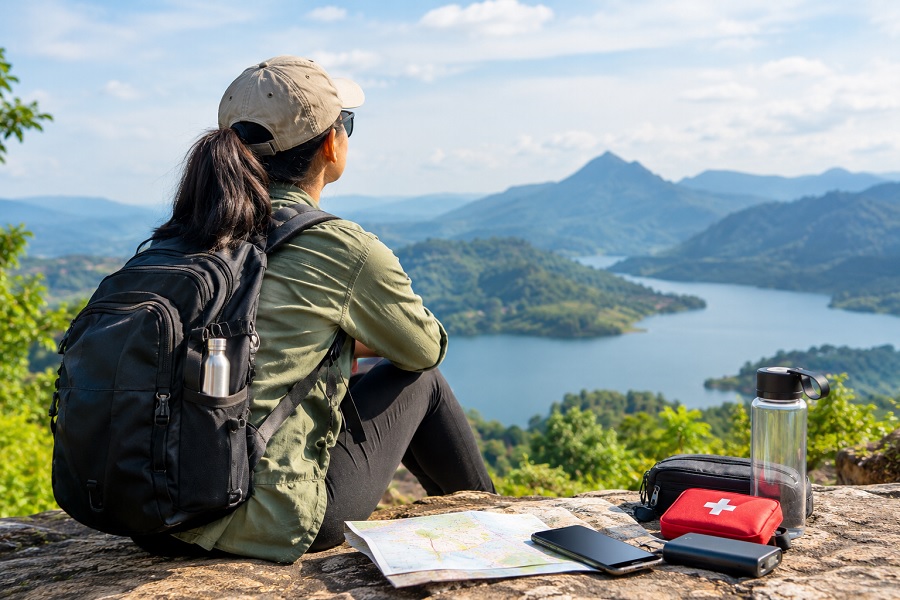
Solo railway tourism is becoming an attractive travel choice for people who enjoy exploring new destinations independently. Train journeys offer a comfortable and memorable way to discover beautiful landscapes, historic towns, cultural attractions and remote regions. Travelling alone by train allows tourists to enjoy personal freedom, plan flexible itineraries and experience different places at their own pace.
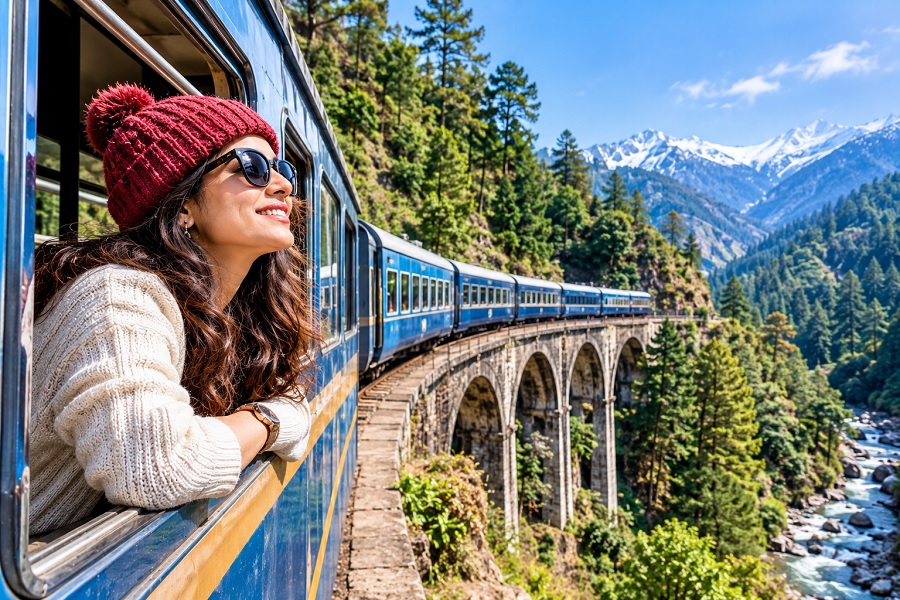
From scenic mountain railways to historic heritage trains and long-distance journeys, solo railway tourism combines adventure, relaxation and cultural discovery. It is an excellent option for travellers who want to enjoy the journey as much as the destination.
What Is Solo Railway Tourism?
Solo railway tourism refers to travelling independently by train to explore destinations, scenic routes, heritage railways and cultural attractions. Unlike group tours, solo travellers can choose their preferred routes, travel schedules, accommodation and sightseeing activities.
It includes:
- Scenic train journeys through mountains and valleys.
- Heritage railway experiences.
- Long-distance train travel.
- Luxury and panoramic train journeys.
- Railway photography and sightseeing.
- Exploring destinations through local train networks.
Popular Scenic Train Journeys Around the World
Several railway routes are famous for their beautiful landscapes and memorable travel experiences.
1. Glacier Express, Switzerland
The Glacier Express is known for its spectacular journey through the Swiss Alps. Passengers can enjoy mountain views, impressive bridges, valleys and picturesque villages. It is an excellent choice for solo travellers interested in scenic railway experiences.
2. Rocky Mountaineer, Canada
The Rocky Mountaineer offers scenic journeys through Canada's mountain landscapes. Travellers can admire forests, rivers, lakes and dramatic mountain views while enjoying comfortable onboard services.
3. The Jacobite Steam Train, Scotland
The Jacobite Steam Train is a popular heritage railway experience in Scotland. Its journey passes through beautiful countryside and across the famous Glenfinnan Viaduct.
4. The Ghan, Australia
The Ghan is a famous long-distance train journey connecting major regions of Australia. It provides opportunities to experience the country's changing landscapes, including desert scenery and remote communities.
5. Shinkansen, Japan
Japan's Shinkansen bullet trains are recognised for their speed, comfort and efficiency. Solo travellers can use them to explore major cities, cultural destinations and scenic regions.
Famous Heritage Railway Experiences in India
India offers several heritage railway experiences that attract domestic and international tourists.
1. Darjeeling Himalayan Railway
Also known as the Toy Train, this historic railway passes through beautiful mountain scenery in West Bengal. It is a memorable experience for travellers interested in heritage trains and Himalayan landscapes.
2. Nilgiri Mountain Railway
The Nilgiri Mountain Railway connects Mettupalayam with Ooty in Tamil Nadu. Its route features tunnels, bridges, tea gardens and scenic mountain views.
3. Kalka-Shimla Railway
This historic railway travels through the Himalayan foothills, passing through tunnels, bridges and picturesque landscapes. It is a popular choice for solo travellers visiting Himachal Pradesh.
4. Matheran Hill Railway
The Matheran Hill Railway in Maharashtra offers a charming journey through forested hills and scenic surroundings. It provides a unique way to explore the hill station.
5. Kangra Valley Railway
The Kangra Valley Railway offers beautiful views of the Dhauladhar mountain range, villages and green landscapes in Himachal Pradesh.
Benefits of Solo Railway Tourism
Solo railway tourism offers several advantages for independent travellers.
- Travel flexibility: Travellers can select their preferred routes, schedules and destinations.
- Personal freedom: There is no need to coordinate with a group or follow a fixed itinerary.
- Scenic experiences: Train journeys provide opportunities to enjoy landscapes from comfortable seats.
- Cultural exploration: Travellers can interact with local people and discover regional traditions.
- Budget management: Different train classes and ticket options help travellers manage expenses.
- Relaxation: Travelling by train can provide a peaceful break from busy routines.
- Photography opportunities: Scenic routes offer memorable opportunities for landscape and railway photography.
Types of Solo Railway Tourism
1. Heritage Train Tourism
Heritage train tourism allows travellers to experience historic locomotives, traditional railway stations and preserved railway routes.
2. Mountain Railway Tourism
Mountain railways offer journeys through hills, valleys, forests and high-altitude destinations.
3. Luxury Train Tourism
Luxury trains provide premium accommodation, dining facilities, sightseeing experiences and personalised services.
4. Budget Railway Tourism
Budget railway tourism focuses on affordable train travel and economical accommodation while exploring multiple destinations.
5. Long-Distance Railway Tourism
Long-distance journeys allow travellers to discover different regions, cultures and landscapes during a single trip.
6. Photography Railway Tourism
Railway photography tourism attracts travellers who enjoy capturing historic locomotives, stations, bridges and scenic railway routes.
Solo Railway Tourism for Different Types of Travellers
Solo railway tourism is suitable for different travel interests and age groups.
- Young travellers: Can explore affordable destinations and enjoy independent adventures.
- Working professionals: Can use train holidays for relaxation and short breaks.
- Senior travellers: May prefer comfortable train journeys with suitable accessibility and assistance.
- Photography enthusiasts: Can explore routes offering impressive landscapes and historic railway structures.
- International tourists: Can discover regional culture and destinations through railway networks.
- Digital nomads: Can combine longer railway journeys with flexible travel plans where connectivity permits.
Role of Technology in Solo Railway Tourism
Technology has made independent railway travel more convenient. Digital platforms help travellers plan journeys, check train schedules and manage reservations.
Important technologies include:
- Online railway ticket booking.
- Mobile ticketing and digital payments.
- Live train tracking.
- Digital maps and navigation.
- Online hotel reservations.
- Travel planning applications.
- Digital translation tools.
- Electronic travel alerts and notifications.
These services help solo travellers organise their journeys and access important travel information.
Safety Tips for Solo Railway Travellers
Safety is an important consideration when travelling alone. A little preparation can make railway journeys more comfortable.
1. Book tickets through authorised railway platforms.
2. Keep identification documents and tickets accessible.
3. Choose accommodation and train classes according to personal requirements.
4. Keep luggage secure and avoid leaving valuables unattended.
5. Share your itinerary with a trusted person.
6. Check platform numbers and train schedules before departure.
7. Avoid accepting food or drinks from unknown people.
8. Use official transport services when arriving at unfamiliar stations.
9. Keep emergency contact numbers available.
10. Follow railway rules and local travel advisories.
Accommodation Options for Solo Railway Tourists
Solo travellers can choose from different accommodation options depending on their budget and travel preferences.
- Budget hotels and hostels.
- Railway retiring rooms, where available.
- Homestays and guesthouses.
- Boutique hotels.
- Luxury resorts.
- Serviced apartments.
- Heritage properties.
Choosing accommodation close to railway stations or reliable public transport can make sightseeing easier.
Economic Opportunities from Solo Railway Tourism
Solo railway tourism can support local economies by encouraging visitors to explore destinations beyond major cities.
It creates opportunities for:
- Local hotels and guesthouses.
- Restaurants and food businesses.
- Tour guides and travel operators.
- Local transport providers.
- Souvenir shops and handicraft sellers.
- Heritage tourism organisations.
- Local sightseeing and photography services.
Increased visitor activity can also encourage investment in tourism infrastructure and the preservation of historic railway attractions.
Sustainable Railway Tourism
Railway tourism can contribute to more sustainable travel when compared with some other transport options, depending on the route, train technology and passenger occupancy.
Sustainable railway tourism can include:
- Choosing rail travel where practical.
- Supporting local businesses.
- Avoiding single-use plastics.
- Respecting heritage railway structures.
- Keeping railway stations and tourist areas clean.
- Following responsible wildlife and nature guidelines.
- Using public transport at destinations.
Responsible travel practices help protect natural landscapes and cultural heritage for future generations.
Challenges of Solo Railway Tourism
Although railway travel offers many benefits, solo travellers may face certain challenges.
- Limited ticket availability during busy seasons.
- Train delays and schedule changes.
- Difficulty navigating unfamiliar stations.
- Language barriers in some destinations.
- Managing luggage independently.
- Limited transport options in remote locations.
- Different safety and accessibility standards across railway networks.
Planning ahead and keeping alternative travel arrangements can help reduce these difficulties.
Tips for Planning a Solo Railway Holiday
Before beginning a railway holiday, travellers should research destinations, routes and railway services.
- Select a destination based on personal interests.
- Research train routes and journey durations.
- Reserve tickets early for popular scenic and heritage trains.
- Check seasonal weather conditions.
- Plan accommodation in advance.
- Carry essential medicines and personal items.
- Keep digital and physical copies of important documents.
- Research local sightseeing and transport options.
- Allow sufficient time between connecting trains.
- Keep some flexibility in the itinerary.
Future of Solo Railway Tourism
The future of solo railway tourism is expected to benefit from improvements in railway infrastructure, digital booking services and passenger comfort. Growing interest in independent travel and experience-based holidays may encourage more travellers to explore scenic and heritage railway routes.
Modern trains, better station facilities, improved accessibility and digital travel services can make railway tourism more convenient. Heritage railway preservation and sustainable tourism initiatives may also create new opportunities for destinations.
Personalised travel planning, panoramic viewing facilities and improved onboard experiences could further increase the appeal of solo railway holidays.
Conclusion
Solo railway tourism offers a unique opportunity to explore the world independently while enjoying scenic landscapes, historic railways and cultural experiences. From the mountain railways of India to famous international train journeys, travellers can discover destinations at their own pace.
With proper planning, safety awareness and responsible travel habits, solo railway journeys can become memorable and rewarding experiences. As railway networks and tourism services continue to develop, solo railway tourism has strong potential to become an important part of the global travel industry.