Solo Travel Safety Tips for 2026: Smart Planning, Secure Stays and Stress-Free Journeys
Solo Travel Safety Guide for 2026
Solo travel offers freedom, flexibility and the opportunity to explore destinations at your own pace. Travelling alone also means taking greater responsibility for planning, transportation, accommodation, finances and personal safety.
A well-prepared solo traveller can reduce many common travel risks by researching the destination, keeping important documents secure, staying connected with trusted contacts and making sensible decisions throughout the journey. Official travel guidance recommends researching destinations in advance, arranging appropriate insurance, leaving an itinerary with someone at home and having contingency plans for unexpected situations.
Why Solo Travel Safety Matters in 2026
Solo travellers do not have a companion to immediately assist with navigation, transportation or emergencies. This makes preparation particularly important when visiting unfamiliar destinations.
Safety does not mean avoiding new experiences. Instead, it means understanding the destination, recognising potential risks and knowing what to do if plans change.
For international trips, travellers should review current destination-specific travel advice, entry requirements and local laws before departure.
1. Research Your Destination Before Travelling
Research should be one of the first steps in planning a solo trip.
Check:
Local laws and regulations
Entry and visa requirements
Weather conditions
Transportation options
Local customs
Areas that may require additional caution
Emergency contact numbers
Recommended tourist areas
Availability of medical facilities
Local accommodation options
Official travel advisories can provide destination-specific information about security, health, transportation and other risks.
2. Share Your Travel Itinerary
Before leaving, share your basic itinerary with a trusted family member or friend.
Include:
Flight or train details
Hotel or accommodation information
Planned destinations
Expected arrival times
Contact information
Emergency contacts
Agree on how frequently you will communicate. Keeping someone informed about your general location can make it easier to get assistance if an unexpected situation occurs.
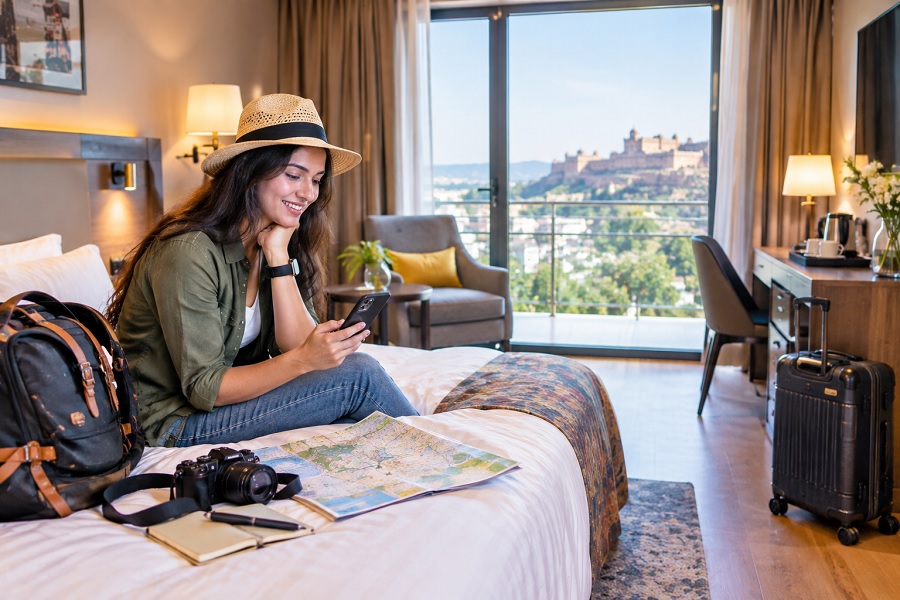
3. Choose Accommodation Carefully
Accommodation is particularly important for solo travellers because your hotel or hostel becomes your main base during the trip.
Before booking, check recent reviews, location, transportation access and available security facilities. Official guidance recommends researching accommodation carefully and considering properties with appropriate safety measures.
When checking in:
Keep your room number private.
Check that doors and windows lock properly.
Identify the emergency exit.
Keep valuables secure.
Avoid inviting unknown people into your room.
Meet new acquaintances in public areas rather than privately.
Keep your room key separate from information showing your room number.
4. Use Reliable Transportation
Transportation is one of the most important considerations for solo travellers.
Whenever possible:
Use official taxis or reputable transport services.
Pre-arrange airport transfers when practical.
Check vehicle and driver details before starting a journey.
Share your ride information with someone you trust.
Avoid accepting rides from strangers.
Keep important belongings close to you.
Avoid isolated transportation areas late at night.
Official solo-travel guidance recommends using licensed or reputable taxis and avoiding hitchhiking.
5. Be Careful With Personal Belongings
Solo travellers should avoid carrying unnecessary valuables.
Keep passports, money, cards and electronic devices secure. Consider carrying only the cash and cards required for the day.
Useful precautions include:
Use a secure bag.
Keep valuables close in crowded places.
Carry backup copies of important documents.
Store digital copies securely.
Avoid displaying expensive jewellery or electronics unnecessarily.
Use hotel safes when appropriate.
Petty theft can occur in crowded tourist areas and public transportation, making extra awareness important.
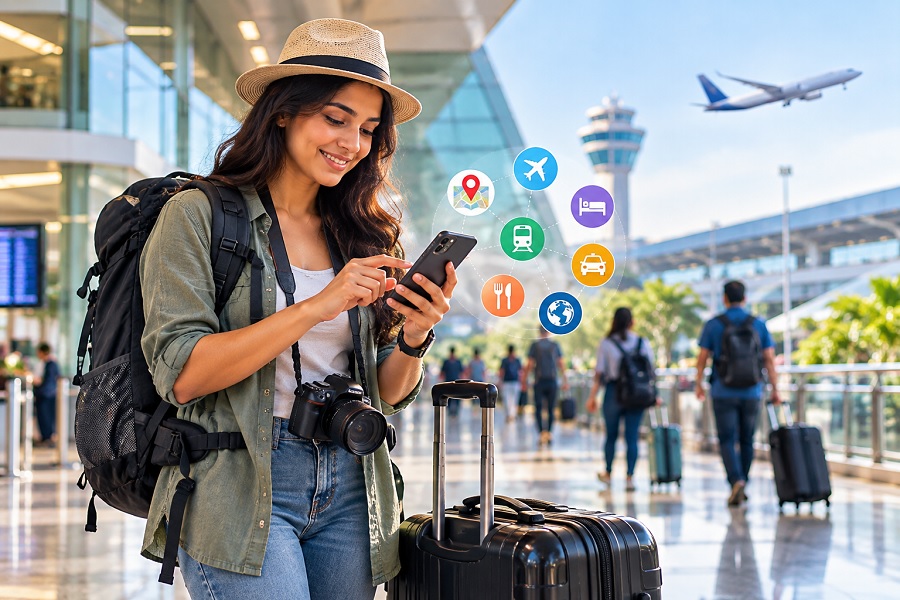
6. Keep Your Phone and Communication Ready
A working phone can be extremely useful during solo travel.
Before departure:
Save emergency contacts.
Download offline maps.
Keep your phone charged.
Carry a power bank.
Activate appropriate international roaming or obtain a local SIM/eSIM.
Save your accommodation address.
Keep important travel documents accessible offline.
Avoid relying entirely on mobile data. Offline maps and saved information can be useful when network coverage is unavailable.
7. Protect Your Travel Documents
Your passport and identification documents are among your most important travel items.
Keep the original documents secure and maintain backup copies of:
Passport
Visa
Travel insurance
Hotel reservations
Transport tickets
Emergency contacts
Important medical information
For international travel, verify current entry requirements before departure because immigration rules can change.
8. Manage Your Money Safely
Financial preparation can reduce stress during a solo trip.
Consider carrying:
One primary payment card
A backup card
Limited emergency cash
A secure digital payment option
Keep backup funds separate from your everyday wallet. If your primary card is lost or blocked, having an alternative payment method can help.
Avoid displaying large amounts of cash in public places.
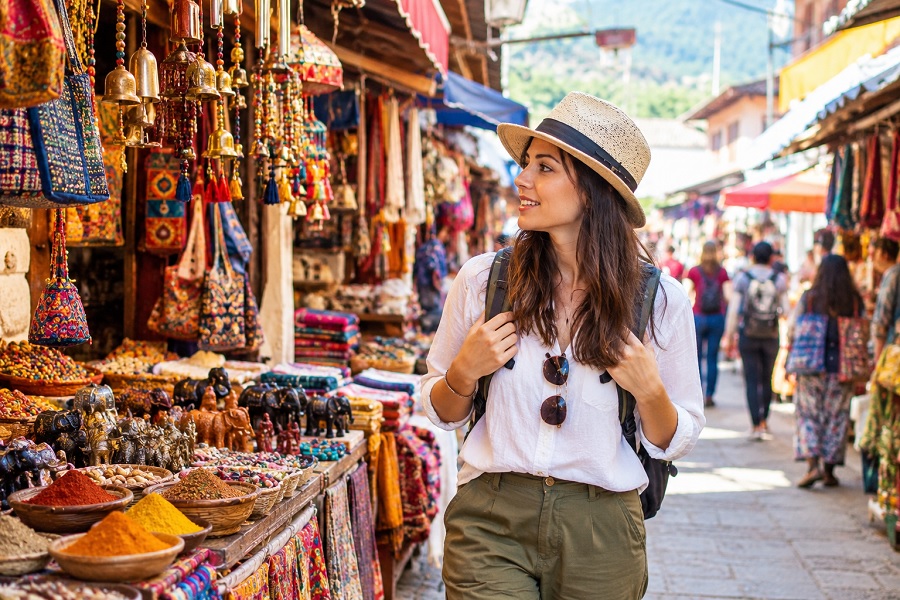
9. Stay Alert in Crowded Areas
Tourist attractions, markets, stations, festivals and public transport can become crowded.
In busy places:
Keep your bag secure.
Be aware of your surroundings.
Avoid distractions while using your phone.
Keep important documents protected.
Be cautious if someone creates an unusual distraction.
Follow local instructions and venue security procedures.
Staying aware does not mean being constantly worried. It simply helps you respond more quickly to unexpected situations.
10. Take Extra Care at Night
Night-time travel requires additional planning when travelling alone.
Whenever possible:
Use established transportation.
Stay in well-populated areas.
Avoid poorly lit or isolated routes.
Tell someone when you are leaving and where you are going.
Keep your phone charged.
Know how to return to your accommodation before going out.
Official solo-travel guidance specifically recommends avoiding poorly lit areas when walking alone, particularly at night.
11. Respect Local Laws and Customs
Every destination has its own laws, cultural expectations and social customs.
Before travelling, learn about:
Appropriate clothing
Photography restrictions
Religious-site rules
Alcohol regulations
Public behaviour
Local transportation regulations
Restricted areas
Respecting local customs can make cultural experiences more comfortable while reducing the possibility of unintentionally violating local rules.
12. Plan Outdoor and Adventure Activities Carefully
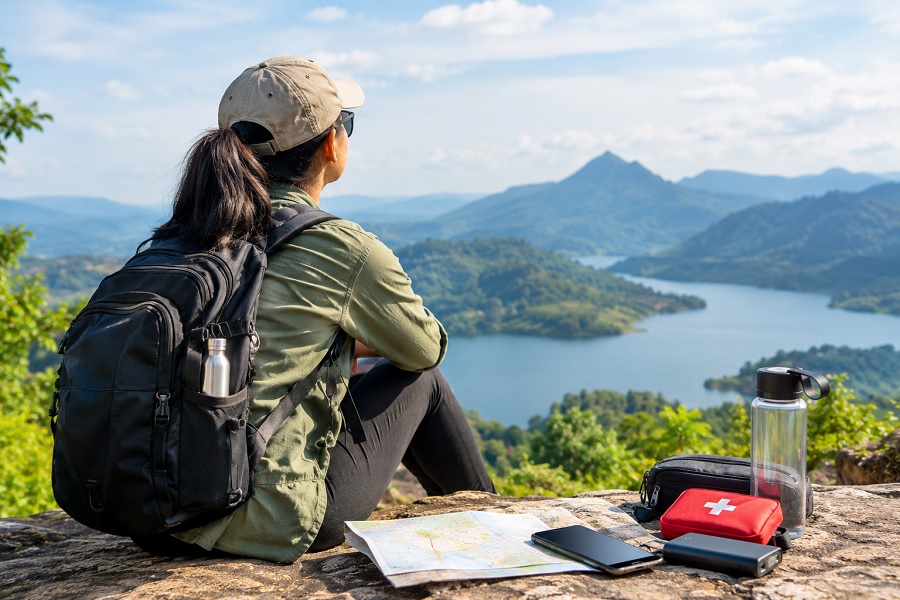
Solo travellers should take additional precautions when participating in hiking, trekking, boating, cycling or other outdoor activities.
Before starting an activity:
Check weather conditions.
Research the route.
Understand the difficulty level.
Carry sufficient water and essential supplies.
Inform someone about your plans.
Use qualified guides where appropriate.
Follow local safety instructions.
Avoid taking unnecessary risks.
Official international travel guidance also recommends reviewing activity-specific safety information before participating in adventure travel.
13. Have an Emergency Plan
A simple emergency plan can make unexpected situations easier to manage.
Know:
The local emergency number
The nearest hospital
The nearest police station
Your country's embassy or consulate, if travelling internationally
Your accommodation's emergency contact
Your travel insurance assistance number
Keep these details available both digitally and offline.
14. Buy Appropriate Travel Insurance
Travel insurance can provide financial protection for eligible unexpected situations such as medical treatment, trip interruption, lost baggage or other covered events.
Before purchasing a policy, check its actual coverage, exclusions, destination restrictions and emergency assistance provisions. Official travel guidance recommends appropriate travel insurance for solo and international travel.
15. Be Careful When Meeting New People
Meeting other travellers and locals can be one of the enjoyable parts of solo travel.
However, maintain sensible boundaries.
For first meetings:
Choose public locations.
Tell someone where you are going.
Avoid sharing sensitive personal information.
Do not hand over your passport or financial information.
Keep control of your transportation and accommodation arrangements.
You can be friendly while still maintaining personal boundaries.
16. Keep Your Accommodation Information Private
Avoid announcing your hotel name, room number or full travel itinerary publicly.
When posting on social media, consider waiting until after leaving a location before sharing detailed information about where you stayed.
Real-time location sharing can unintentionally reveal where you are staying or travelling.
17. Prepare for Health and Weather Conditions
Health preparation is another important part of solo travel.
Depending on the destination:
Check recommended vaccinations.
Carry essential medicines.
Stay hydrated.
Use appropriate sun protection.
Check weather forecasts.
Carry suitable clothing.
Know where to obtain medical assistance.
Travellers should consult appropriate medical or government travel-health guidance for destination-specific recommendations.
18. Use Technology as a Safety Tool
Technology can make solo travel easier to manage.
Useful tools include:
Offline maps
Translation applications
Digital boarding passes
Emergency contact features
Ride-tracking services
Travel insurance applications
Digital copies of documents
Weather applications
Secure payment applications
Technology should support your travel plan rather than replace basic preparation.
19. Safety Tips for Solo Women Travellers
Women travelling alone may want to take additional precautions depending on the destination.
Useful practices include:
Research destination-specific safety information.
Choose accommodation with appropriate security.
Use reliable transportation.
Avoid isolated locations at night.
Keep your accommodation details private.
Share your itinerary with someone you trust.
Follow local advice and regulations.
Safety conditions vary significantly between destinations, so country- and city-specific guidance is more useful than assuming that one set of precautions applies everywhere.
20. Solo Travel Safety Checklist
Before leaving home, check that you have:
Valid identification and travel documents
Required visa or permits
Travel insurance
Emergency contacts
Accommodation confirmation
Transportation details
Charged phone
Power bank
Payment cards
Emergency cash
Essential medicines
Offline maps
Copies of important documents
Destination-specific safety information
Solo Travel Safety in India
For travellers exploring India alone, safety planning should include checking local conditions and transportation arrangements for each destination. India's Ministry of Tourism stated in February 2026 that tourist police had been deployed in several states and union territories, including Maharashtra, Kerala, Goa, Karnataka, Rajasthan and Jammu and Kashmir. The Ministry also operates a 24-hour multilingual Tourist Helpline at 1800111363 or 1363 for travel information and assistance to tourists in distress.
Emergency services and local authorities remain important sources of assistance when a traveller faces an immediate threat.
Solo Travel Safety for International Trips
International solo travellers should research the destination before departure and check official government travel advice. Entry requirements, local laws, security conditions and health information can change.
For international trips, keep copies of your passport and insurance information, know how to contact your embassy or consulate and maintain a reliable communication method.
Conclusion
Solo travel in 2026 can be an enjoyable way to discover new destinations, cultures and experiences. Good preparation is the foundation of a safer journey.
Research the destination, choose accommodation carefully, use reliable transportation, protect your documents and money, maintain communication with someone at home and prepare for emergencies. Most importantly, trust your judgment when a situation feels uncomfortable and leave or seek assistance when necessary.
With practical planning and responsible decisions, solo travellers can explore with greater confidence while maintaining personal safety throughout their journey.