Women’s Solo Travel Guide 2026: Smart Safety Tips, Travel Planning and Precautions
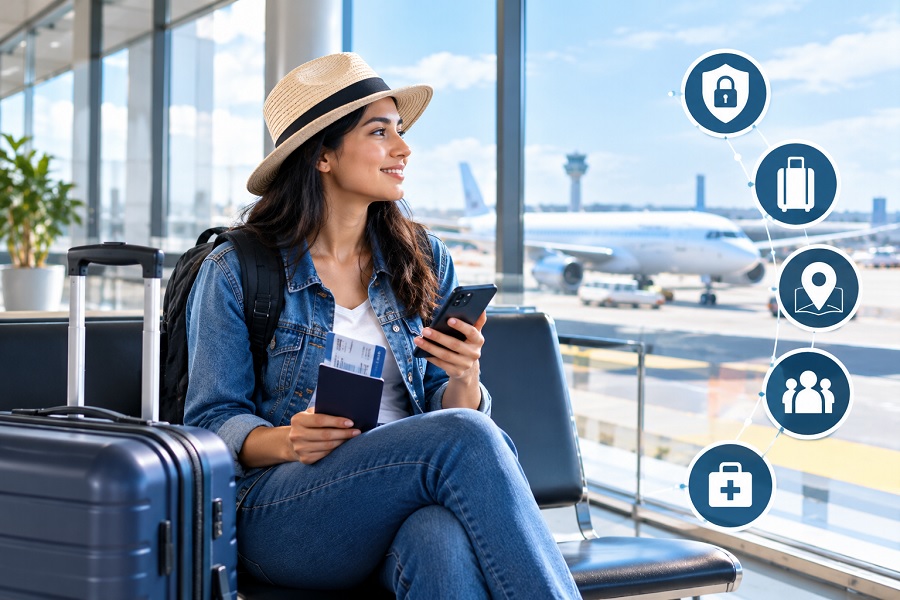
Solo Travel Safety Tips for Women in 2026: A Complete Guide to Safe and Confident Adventures
Introduction
Solo travel has become an exciting way for women to explore new destinations, experience different cultures, enjoy personal freedom, and build confidence. In 2026, improved travel technology, digital maps, online accommodation platforms, and ride-booking applications are making independent travel easier to plan. However, personal safety remains an important part of every journey.
Whether visiting a peaceful hill station, exploring a busy city, enjoying a beach holiday, or travelling internationally, women can make their trips more comfortable by preparing in advance and making informed decisions. From choosing reliable accommodation to protecting personal information and understanding local emergency services, a few practical precautions can make a significant difference.
This guide covers essential solo travel safety tips for women in 2026, helping travellers enjoy memorable experiences while staying alert, prepared, and confident.
1. Research Your Destination Before Travelling
Good preparation is the foundation of a successful solo trip. Before booking tickets, research your destination's safety conditions, local customs, weather, transportation options, and popular tourist areas.
Read recent traveller reviews and check official government travel advisories. Identify well-connected neighbourhoods, nearby hospitals, police stations, and reliable transport services. If travelling internationally, review visa requirements, local laws, cultural expectations, and health recommendations.
Women travelling alone should also check whether any local restrictions, public demonstrations, transport disruptions, or seasonal weather conditions could affect their itinerary.
2. Choose Safe and Reliable Accommodation
Accommodation plays an important role in solo travel safety. Choose hotels, hostels, guesthouses, or homestays with verified reviews, clear booking policies, and convenient access to public transportation.
Before confirming a reservation, check the property's location, security arrangements, reception hours, lighting, and recent guest feedback. If arriving late, arrange the first night's stay in advance rather than searching for accommodation after reaching the destination.
After checking in, lock the door and windows, keep your room number private, and verify the identity of unexpected visitors before opening the door. If a property feels unsafe or differs significantly from its listing, contact the booking platform or move to a more suitable place.
3. Plan Safe Transportation
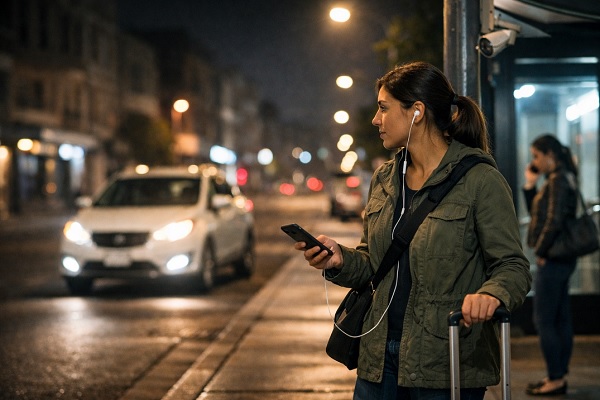
Transportation safety is essential when exploring an unfamiliar destination. Use licensed taxis, reputable ride-booking services, official airport transfers, or trusted public transportation options.
When booking a ride, verify the vehicle registration number, driver details, and pickup location before entering. Share your trip information with a trusted contact whenever possible, and avoid accepting unexpected rides from strangers.
For train and bus journeys, check the departure platform, route, arrival time, and available passenger facilities in advance. Choose well-used routes and avoid isolated stops when travelling late at night.
If a driver changes the route unexpectedly or makes you uncomfortable, contact someone you trust and consider moving to a busy, well-lit public place where assistance is available.
4. Use Travel Technology for Added Safety
Technology can make solo travel more organised and provide useful support during unexpected situations. In 2026, travellers can use digital tools to manage itineraries, navigate unfamiliar streets, receive travel updates, and share their locations.
Useful digital safety practices include:
Enable location sharing with a trusted friend or family member when appropriate.
Download offline maps for areas with limited internet connectivity.
Save hotel addresses, booking confirmations, and transport details.
Keep emergency contacts accessible on your phone.
Use trusted applications and official websites to make bookings.
Protect your devices with strong passwords, screen locks, and two-factor authentication.
Carry a power bank and keep your phone sufficiently charged.
AI-powered trip planners can help organise routes and suggest activities, but their recommendations should always be checked against current local information. Do not rely exclusively on AI for emergency advice, live safety conditions, or unverified accommodation and transport recommendations.
5. Keep Important Documents and Money Secure
Losing a passport, identification document, bank card, or phone can disrupt a holiday. Keep digital copies of important documents in a secure location and carry physical copies separately from the originals when appropriate.
Divide your travel money between a secure wallet and a separate backup location. Carry only the cash and cards you need for the day, and use ATMs located inside reputable banks or secure public buildings.
Avoid displaying expensive jewellery, large amounts of cash, or valuable electronic devices unnecessarily. When using public Wi-Fi, avoid sensitive financial transactions on unsecured networks and never share banking passwords or one-time passwords with anyone.
For international travel, keep your travel insurance details and the contact information of your country's embassy or consulate accessible.
6. Stay Alert in Crowded and Unfamiliar Areas
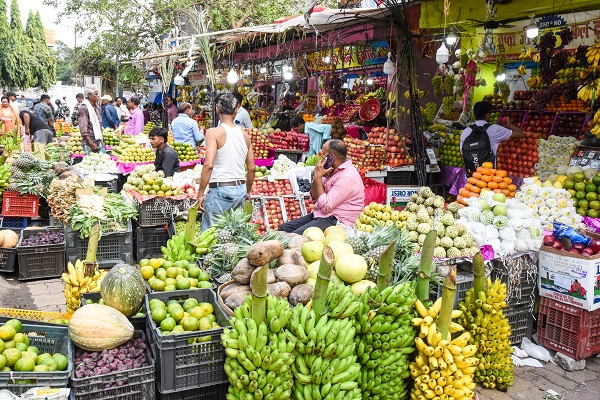
Markets, railway stations, shopping streets, festivals, and popular attractions can become crowded. Such places may increase the risk of pickpocketing, scams, unwanted attention, or losing track of your belongings.
Keep bags closed and secured, carry valuables discreetly, and remain aware of your surroundings. Be cautious when strangers offer unsolicited assistance, request money, or pressure you into purchasing tours and services.
If someone repeatedly follows you or makes you uncomfortable, move towards a staffed business, hotel reception, security desk, or other busy public place. Contact local authorities if you feel threatened.
Trusting your instincts is important. You do not have to continue a conversation, accept an invitation, or remain somewhere simply to avoid appearing impolite.
7. Be Careful During Night-Time Activities
Night markets, evening sightseeing, cultural performances, and city nightlife can be enjoyable parts of a trip. However, women travelling alone should plan their return journey before going out.
Prefer busy, well-lit areas and use reliable transport rather than walking through isolated streets or unfamiliar shortcuts. Check closing times and transport availability, particularly in destinations where services become limited after dark.
Keep your accommodation address saved on your phone and avoid publicly announcing where you are staying. If plans change, inform a trusted contact and use a dependable way to return to your accommodation.
8. Protect Your Personal Information Online
Sharing travel photographs and experiences can be enjoyable, but posting real-time location information may reveal where you are staying or which places you visit alone.
Consider publishing photographs after leaving a location rather than while you are still there. Avoid sharing hotel room numbers, booking references, boarding passes, passport details, or other sensitive information on social media.
Check privacy settings on social networking applications and review permissions granted to travel apps. Be cautious of suspicious booking links, fake accommodation listings, unsolicited messages, and requests for advance payments outside a trusted booking platform.
9. Prepare an Emergency Safety Plan
Every solo traveller should know what to do if a journey is disrupted or an unsafe situation develops. Save local emergency numbers, identify nearby medical facilities, and keep the address of your accommodation readily available.
Share your itinerary with someone you trust and agree on a reasonable check-in schedule. If you miss a planned check-in, your contact should know how to reach you and which accommodation or transport provider to contact.
Carry a personal safety alarm or whistle if appropriate and permitted at your destination. Learn how to activate your phone's emergency features before departure.
In India, 112 is the national emergency number. The Ministry of Tourism also provides a multilingual tourist helpline at 1363. Travellers should verify the availability of relevant services and local emergency procedures for their destination.
If you face immediate danger, prioritise reaching a safe public place and contacting emergency services rather than attempting to handle the situation alone.
10. Make Thoughtful Choices When Meeting New People
Solo travel provides opportunities to meet fellow travellers, local residents, and people with different backgrounds. Socialising can make a journey more rewarding, but it is important to maintain personal boundaries.
Meet new acquaintances in public places, tell someone you trust about your plans, and arrange your own transportation whenever possible. Avoid sharing sensitive personal details or revealing your accommodation information to people you have just met.
Be cautious about accepting food or drinks from strangers, and never leave a drink unattended. If a social situation becomes uncomfortable, leave without feeling obliged to explain your decision.
Respectful people will understand your boundaries. Your comfort and safety should always take priority.
11. Pack Essential Safety Items
A well-prepared travel bag can help you respond to minor problems and unexpected changes. Consider carrying the following essentials:
A fully charged smartphone and power bank
A small first-aid kit and personal medicines
Copies of identification and travel documents
Travel insurance details and emergency contacts
A portable flashlight
A personal safety alarm or whistle
A reusable water bottle and basic hygiene supplies
A debit or credit card and backup cash
Comfortable footwear and weather-appropriate clothing
Offline maps and saved accommodation information
Adjust your packing list according to the destination, season, planned activities, and local regulations.
12. Buy Suitable Travel Insurance
Travel insurance can provide financial protection against certain unexpected events, including eligible medical expenses, trip cancellations, travel delays, lost baggage, or emergency assistance.
Before purchasing a policy, read the coverage limits, exclusions, claim procedures, and emergency contact details. Adventure activities, pre-existing conditions, and specific travel disruptions may require additional coverage or may not be covered under standard plans.
Keep your policy documents available offline and understand how to contact the insurer if you need assistance during your trip.
13. Respect Local Customs and Travel Responsibly
Understanding local culture can help women feel more prepared when exploring a new destination. Research clothing expectations at religious sites, photography restrictions, local transport rules, and appropriate behaviour in public spaces.
Dress according to your comfort while considering local requirements and the activities planned. Follow guidance from official tourism authorities and respect local communities, wildlife, and natural environments.
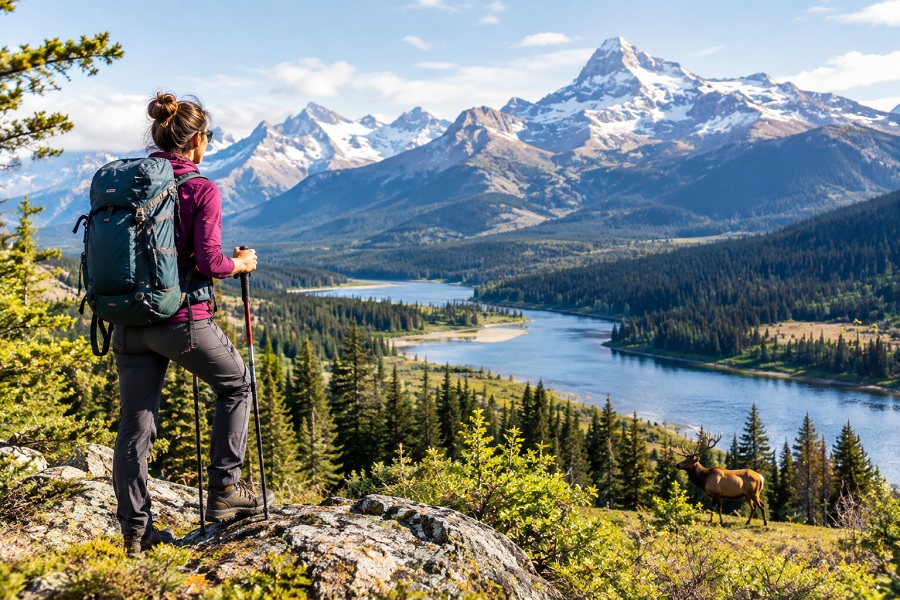
Choose reputable tour operators, licensed guides, and responsible tourism providers. When exploring remote areas, trekking routes, or nature trails, check weather conditions, trail difficulty, mobile connectivity, and whether a guided experience would be more suitable.
14. Build Confidence Through Smart Planning
Solo travel does not require an overly complicated itinerary. Beginners may feel more comfortable starting with a familiar destination, a short weekend trip, or a well-connected tourist area before planning a longer international journey.
Keep some flexibility in your schedule, avoid booking activities too close together, and allow enough time to reach transport connections. Have an alternative plan for accommodation, transportation, and access to money.
Most importantly, remember that being prepared is not the same as being afraid. A thoughtful approach allows you to explore independently while responding sensibly to changing circumstances.
Best Solo Travel Safety Checklist for Women in 2026
Before leaving, confirm that you have:
Researched your destination and checked official travel advice.
Booked suitable accommodation and planned your arrival.
Shared your itinerary with a trusted contact.
Saved emergency numbers and important addresses.
Arranged reliable transportation.
Secured travel documents, money, and electronic devices.
Downloaded offline maps and essential booking details.
Checked your travel insurance coverage.
Packed essential medicines and safety items.
Planned a safe way to return to your accommodation.
Conclusion
Solo travel can be an empowering way for women to discover new places, experience different cultures, and develop independence. With thoughtful planning, reliable transportation, secure accommodation, responsible technology use, and an emergency plan, women can make more informed decisions throughout their journeys.
In 2026, digital travel tools and AI-powered itinerary planners can make organising a trip easier, but personal awareness and verified information remain essential. Research destinations carefully, protect personal information, maintain clear boundaries, and seek assistance whenever necessary.
The goal is not to eliminate every possible risk, but to prepare wisely, remain flexible, and enjoy the journey with greater confidence.